Line Isolation Monitor Inspection Columbus OH: NFPA 99 Compliance
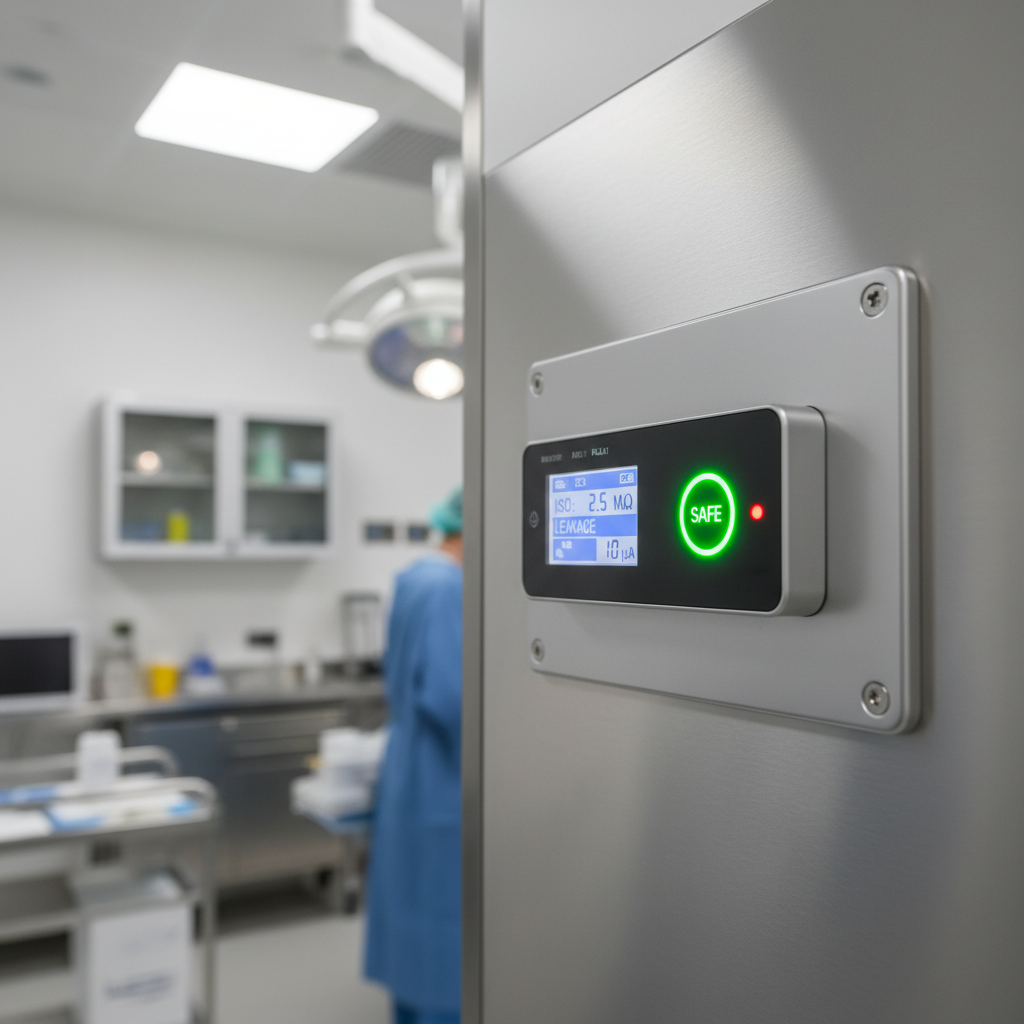
In any Columbus hospital, patient safety is the absolute priority. Within operating rooms, ICUs, and other "wet procedure locations," one of the most critical, yet often misunderstood, safety components is the isolated power system and its guardian: the Line Isolation Monitor (LIM). A LIM provides early warning of ground faults, preventing electrical shock to patients and staff without interrupting power to life-sustaining equipment. This guide provides a definitive overview of LIMs, the mandatory NFPA 99 inspection requirements, the testing process, and how facilities in Columbus, Ohio, can ensure compliance. You will learn what a LIM is, why regular inspection is non-negotiable, and how to choose a qualified service provider.
What is a Line Isolation Monitor (LIM)?
A Line Isolation Monitor is a safety device required by NFPA 99 in healthcare facilities to continuously monitor the integrity of an Isolated Power System. These systems are ungrounded, meaning they are electrically isolated from the main building ground, a crucial feature in critical care areas where electrical risk is high.
Isolated Power Systems Explained
Standard electrical systems in a home or office are "grounded," meaning there's a direct path for electrical current to the earth. If a fault occurs, a circuit breaker trips, cutting off power. In an operating room, suddenly losing power to a heart-lung machine or ventilator is not an option. Isolated Power Systems solve this by not having a direct path to ground. A first fault will not cause a power outage. Instead, it triggers an alarm on the Line Isolation Monitor, alerting staff to the potential danger so it can be addressed without losing power.
The Role of the LIM
The LIM is the watchdog of this system. It constantly measures the system's "isolation" from ground. If a piece of equipment begins to fail and creates a path to ground (a ground fault), the LIM detects this "leakage" current. When the leakage reaches a predetermined threshold (typically 5mA per NFPA 99), the LIM's audible and visual alarms activate. This gives staff a critical heads-up to identify and remove the faulty device before a second fault could create a hazardous situation.
Why LIM Inspection is Critical for Patient Safety & NFPA 99 Compliance
In wet procedure locations like operating rooms, the risk of electrical shock is magnified. A faulty or uninspected Line Isolation Monitor is a silent failure waiting to happen. It provides a false sense of security, as it may not alarm in the event of a ground fault, exposing vulnerable patients and the surgical team to the risk of dangerous electrical shock.
Why this matters for compliance: Per NFPA 99, Chapter 6, "Electrical Systems," regular testing of Line Isolation Monitors is not optional. It is a mandatory requirement for all healthcare facilities using isolated power systems in operating rooms and other wet locations to ensure patient safety and avoid citations from accreditation bodies like The Joint Commission.
Regular, documented inspections by a qualified provider are the only way to verify these critical safety devices are functioning correctly. This process is a key part of an effective annual medical gas inspections program.
NFPA 99 Testing Requirements for Line Isolation Monitors
NFPA 99 outlines a two-tiered testing schedule for LIMs to ensure they are always in a state of readiness.
Monthly Testing (by Hospital Staff)
Healthcare facility staff should perform a functional test of each LIM monthly. This is typically done by pressing a "test" button on the LIM unit itself. This action simulates a fault condition, and staff must verify that the visual and audible alarms activate correctly. This simple test confirms the LIM is powered on and its basic alarm functions are working.
Annual Testing (by Qualified Personnel)
At least every 12 months, a more rigorous inspection must be performed by a "qualified" individual with deep knowledge of electrical systems and codes. The industry standard for a qualified professional is an ASSE 6030 certified technician, who has proven expertise in medical gas and electrical system verification. This annual service, which Medical Testing Solutions provides nationwide, involves:
- Confirming Alarm Trip Point: Using specialized test equipment to verify the LIM alarms at the correct leakage current value (e.g., 5mA).
- Monitor Accuracy Check: Ensuring the meter on the LIM is providing an accurate reading of the system's isolation.
- Annunciator Functionality: Testing all remote alarm panels (annunciators) connected to the LIM to ensure they alarm simultaneously with the main unit.
- Record-Keeping: Documenting all test results, pass/fail status, date, and technician for each LIM. This documentation is crucial for audits and compliance.
The LIM Inspection Process in Columbus: What to Expect
When you partner with MTS for your line isolation monitor inspection in Columbus OH, our certified technicians follow a proven, non-disruptive process:
- Coordination: We schedule service in collaboration with your OR or facility manager to work around surgical schedules and minimize downtime.
- Visual Inspection: The technician visually inspects the LIM unit for any signs of damage or wear.
- Functional Testing: Using calibrated test instruments, the technician simulates various fault conditions to precisely measure the LIM's trip point.
- Verification: All readings are checked against NFPA 99 standards to ensure a pass/fail determination is accurate.
- Documentation: A detailed, computer-generated report is created for your facility’s compliance records, detailing the status of every LIM tested.
- Full Service: If a LIM fails inspection, our team is equipped to diagnose the issue and can assist with sourcing replacement medical gas equipment and performing repairs to restore safety and compliance swiftly.
For a comprehensive safety overview, many facilities bundle LIM testing with their overall medical gas maintenance services.
Common LIM Brands and Models Serviced
Our ASSE-certified technicians have experience servicing all major brands and models of line isolation monitors found in Columbus-area hospitals. While we are an independent service provider, our expertise covers the full spectrum of installed equipment.
| Manufacturer | Common Models | Key Features |
|---|---|---|
| Bender | LIM2010, IR427 | Digital display, history logging, advanced communication features |
| PG LifeLink (Post Glover) | LIMG20, MKIIG | Microprocessor-based, self-testing, reliable performance |
| Schneider Electric | ST9403, ST9405 | Compact design, various alarm levels, common in legacy systems |
| D-HOU | DH-LIM | Digital interfaces, network connectivity |
FAQs about Line Isolation Monitor Inspection
How often do line isolation monitors need to be tested?Per NFPA 99, they must be tested and documented monthly by trained hospital personnel and undergo a more thorough quantitative inspection annually by a qualified external technician, such as an ASSE 6030 certified professional.
What happens if a LIM fails inspection?A failed LIM compromises the safety of your isolated power system and must be repaired or replaced immediately to remain compliant. Our technicians can diagnose the fault and help coordinate a rapid resolution.
Who is qualified to perform an annual LIM inspection?NFPA 99 defines a qualified person as one "who by possession of a recognized degree, certificate, professional standing, or skill, and who by knowledge, training, and experience, has demonstrated the ability to deal with problems relating to the subject matter, the work, or the project." The best way to meet this requirement is to use an ASSE 6030 certified technician.
Does this apply to all areas of our Columbus hospital?Line Isolation Monitors are required in all designated "wet procedure locations." Your facility's risk assessment determines these areas, but they almost always include operating rooms and may extend to catheterization labs, ICUs, and emergency departments.
Your Partner for Compliance in Columbus, Ohio
Ensuring the electrical safety of your most critical care areas is a foundational responsibility. Regular, professional testing of your line isolation monitors is a non-negotiable aspect of NFPA 99 compliance and patient care. Medical Testing Solutions is your trusted partner, providing expert, ASSE-certified technicians to facilities throughout the Columbus, OH, metropolitan area and nationwide. Our commitment is to safety, accuracy, and detailed documentation you can rely on.
Don't leave compliance to chance. Ensure your facility is safe and audit-ready. Contact Medical Testing Solutions today for a free quote on line isolation monitor testing. Call us at +1 (754) 315-1078 or request a quote online.
'''
This article is provided for educational purposes and reflects industry standards as of publication. Always verify against current NFPA 99, CGA, and AHJ requirements. Medical Testing Solutions is ASSE-certified and ready to help — contact us for facility-specific guidance.
Need Medical Gas Services?
Contact our certified team for inspections, verifications, installations, and more.
Get a Free Quote