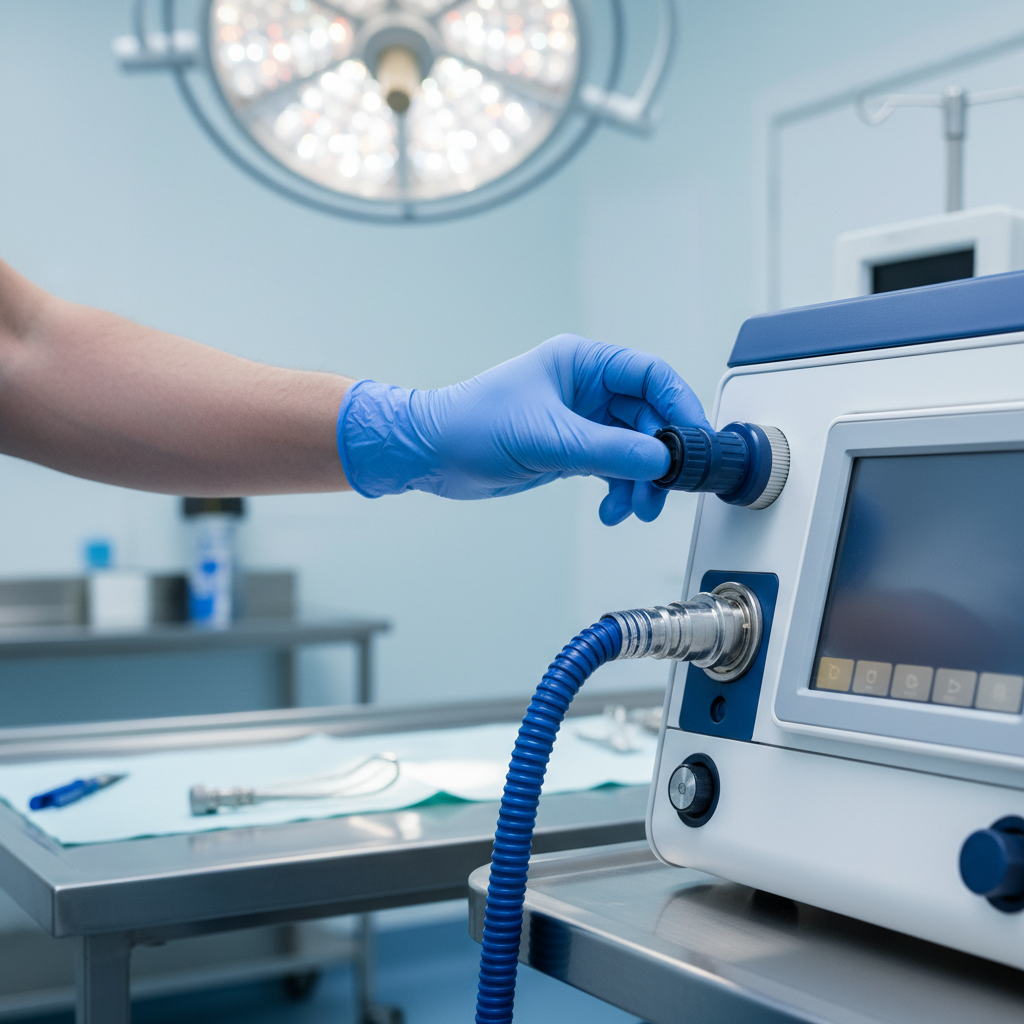
Waste Anesthetic Gas Scavenging in Veterinary Practices: NIOSH Limits and Common Failures
Veterinary professionals dedicate their careers to animal health, but the clinical environment itself can pose occupational health risks. One of the most significant, yet often underestimated, is chronic exposure to Waste Anesthetic Gas (WAG). These are the trace amounts of volatile anesthetic agents (like Isoflurane or Sevoflurane) and nitrous oxide that leak into the breathing zone of staff during medical procedures. Failure to properly scavenge these gases can lead to serious health consequences and regulatory scrutiny.
This definitive guide, written by the ASSE-certified experts at Medical Testing Solutions, breaks down everything veterinary practice managers and technicians need to know. We will cover the specific NIOSH exposure limits you must adhere to, the differences between passive and active scavenging systems, the most common and easily-missed failure points in your setup, and a clear framework for testing and maintenance. By understanding these elements, you can ensure a safer environment for your team and maintain full compliance with national standards.
What is Waste Anesthetic Gas (WAG) and Why is it a Concern?
Anytime an animal is under anesthesia, the potential exists for gas to escape into the room. WAG is the mixture of anesthetic gases and oxygen that is exhaled by the patient or leaks from the anesthesia machine. While the concentration of gas delivered to the patient is controlled, these fugitive emissions are not. Without a proper Waste Anesthetic Gas Disposal (WAGD) or scavenging system, these gases accumulate in the ambient air.
Health Risks of Chronic Low-Level Exposure
While a single, low-level exposure is unlikely to cause harm, the danger of WAGs lies in their cumulative effect. Long-term, chronic exposure for veterinarians, technicians, and other staff has been linked to a range of health issues, including:
- Neurological problems (fatigue, headaches, irritability, impaired judgment)
- Reproductive health issues (infertility, miscarriages, congenital anomalies)
- Hepatic and renal disease (liver and kidney damage)
These risks are why regulatory bodies have established strict limits on acceptable exposure levels in the workplace.
Regulatory Oversight: NIOSH, OSHA, and the General Duty Clause
The two primary bodies governing WAG exposure in the U.S. are the National Institute for Occupational Safety and Health (NIOSH) and the Occupational Safety and Health Administration (OSHA). NIOSH sets the recommended exposure limits (RELs), while OSHA enforces workplace safety standards.
Why This Matters for Compliance: OSHA does not have a specific standard for WAGs. However, they enforce safety under the General Duty Clause (Section 5(a)(1) of the OSH Act), which requires employers to provide a workplace "free from recognized hazards that are causing or are likely to cause death or serious physical harm." OSHA uses the NIOSH limits as the benchmark for what constitutes a "recognized hazard." Failure to control WAG levels below these limits can result in significant citations and fines.
Understanding the Exposure Limits: NIOSH and OSHA Standards
NIOSH has set clear, measurable ceilings for exposure to anesthetic agents. These are not averages over an 8-hour day but are ceiling limits that should not be exceeded at any time.
- Halogenated Agents (Isoflurane, Sevoflurane, etc.): The recommended exposure limit is a ceiling of 2 parts per million (ppm) during any part of the procedure.
- Nitrous Oxide (N₂O): The limit for N₂O is a ceiling of 25 ppm.
Meeting these stringent limits is virtually impossible without a correctly installed and maintained scavenging system. Regular environmental monitoring is the only way to confirm that your control measures are effective. For comprehensive WAG and chemical vapor monitoring, it is essential to partner with a certified testing agency.
Active vs. Passive Scavenging Systems: A Comparison
Veterinary practices have two primary options for scavenging WAGs: active systems that connect to a vacuum source and passive systems that use disposable charcoal canisters. The choice depends on facility infrastructure, procedure volume, and budget.
| Feature | Active Scavenging System (WAGD) | Passive Scavenging System (F/air Canister) |
|---|---|---|
| Mechanism | A dedicated vacuum producer draws WAGs from the anesthesia machine and vents them outside the building. | An activated charcoal canister (e.g., F/air) adsorbs halogenated WAGs from the breathing circuit. |
| Effectiveness | Highly effective for all WAGs, including nitrous oxide. The "gold standard." | Effective only for halogenated agents (e.g., Isoflurane). Does NOT adsorb nitrous oxide. |
| Initial Cost | High (requires installation of a producer, piping, and outlets by a certified tech). | Low (requires only the canister and a holder). |
| Ongoing Cost | Low (minimal maintenance, electricity). | High (requires frequent replacement of canisters). |
| Maintenance | Requires annual inspection and certification of the vacuum producer and flow rates at each outlet. | Requires meticulous weight logging and replacement of canisters. |
| Best For | Hospitals, high-volume clinics, and any facility using nitrous oxide. | Mobile practices, low-volume clinics, or facilities where installing a WAGD system is not feasible. |