Skip to content
    New: Medical Gas Outlet Retrofit & Rebuild Matrix — cross-reference legacy Chemetron, Ohio Diamond, Puritan-Bennett & more →
    ASSE Certified 24/7
    Medical Gas Service
    Veterinary
    Compliance & Standards

    Veterinary Medical Gas Systems: What Animal Hospitals Need

    Medical Testing SolutionsAugust 30, 20268 min read
    Share
    Veterinary Medical Gas Systems: What Animal Hospitals Need

    Understanding the Unique Demands of Veterinary Medical Gas Systems

    Medical gas systems are a critical life-support utility in any healthcare setting, but veterinary facilities have unique requirements that set them apart from human hospitals. While the core principles of delivering safe, reliable medical gases like Oxygen (O₂), Nitrous Oxide (N₂O), and Medical Air remain the same, the application, scale, and governing codes differ significantly. For a veterinary practice, designing and maintaining a compliant medical gas system is not just about patient safety, it's also about protecting staff from anesthetic gas exposure and ensuring operational efficiency.

    This guide will walk you through the essential components, design considerations, and compliance standards for veterinary medical gas systems. We will explore the key differences from human healthcare, delve into proper equipment sizing for various animal patient loads, and cover the critical monitoring and maintenance protocols required to keep your system safe and reliable. Whether you are building a new animal hospital, renovating an existing clinic, or simply ensuring your current setup meets today's standards, this article will provide the clarity you need.

    Key Differences: Veterinary vs. Human Medical Gas Systems

    While both human and veterinary medicine rely on the same fundamental gases, the system design, patient population, and regulatory landscape create important distinctions. The primary difference lies in the governing codes. Human hospitals must strictly adhere to the National Fire Protection Association's NFPA 99, Health Care Facilities Code. Veterinary facilities, however, are often guided by a combination of NFPA 99 principles, Compressed Gas Association (CGA) pamphlets (like CGA P-2.1 for WAGD systems), and specific state veterinary board regulations, which can vary.

    Why this matters for compliance: While not always mandated by law to the same extent as in human hospitals, adhering to NFPA 99 principles is the recognized best practice for veterinary safety. It provides a robust framework for preventing fires, ensuring system integrity, and protecting patients and staff. Many insurance carriers and accrediting bodies look for NFPA-aligned practices as a condition of coverage or certification.

    Other key differences include:

    • Patient Diversity: Veterinarians treat a vast range of species with different metabolic rates and respiratory volumes, from a tiny rodent to a large horse. This requires a wider range of flow rates and more adaptable delivery systems (e.g., anesthesia machine vaporizers, flowmeters) than the relatively uniform human patient population.
    • System Scale: Most veterinary clinics operate on a much smaller scale than a human hospital. This impacts the choice between manifold systems and portable cylinders, the size of vacuum pumps, and the complexity of the alarm systems.
    • Waste Anesthetic Gas (WAG): Scavenging and disposing of WAG is critical in veterinary medicine, perhaps even more so than in human ORs, due to the common use of high-flow open circuits and prolonged procedures in smaller, less ventilated rooms. Proper WAG monitoring is essential for OSHA compliance and staff safety.

    Sizing Your System: Source Equipment Considerations

    The "source" is the heart of your medical gas system. Selecting and sizing it correctly is crucial for meeting your clinic's peak demand without interruption. Over-sizing can lead to unnecessary upfront costs and inefficiencies, while under-sizing is a critical patient safety risk.

    Oxygen Supply: Manifolds vs. Cylinders

    • Single Cylinders: For very small practices with low usage (e.g., occasional sedation), individual H-cylinders connected directly to an anesthesia machine may suffice. However, this offers no redundancy.
    • Manifold Systems: The most common solution for veterinary hospitals. A manifold connects multiple cylinders to a central pipeline, automatically switching from the primary bank to the reserve bank when pressure drops. This ensures an uninterrupted supply. A "simple" manual manifold requires staff to physically switch banks, while an automatic manifold does it for them and triggers an alarm. For most clinics performing regular surgery, an automatic changeover manifold is the standard of care.

    Medical Air and Vacuum Systems

    • Medical Air: Used to power ventilators and tools. A medical air compressor system must be specifically designed for breathing air, with dryers and filters to remove moisture, oil, and particulates. The size (in horsepower, HP) and flow (in cubic feet per minute, CFM) depend on the number of locations and the equipment it will power.
    • Medical Vacuum: Essential for surgical suction and WAGD. A dedicated medical vacuum pump is required. Sizing depends on the number of simultaneous users and the required suction pressure. A duplex system with two pumps provides redundancy in case one fails.

    When planning a new system, our experts at Medical Testing Solutions can perform a comprehensive assessment to help you select and size the right source equipment for your practice's specific needs. Proper medical gas installation by ASSE 6010 certified technicians is paramount for safety and code compliance.

    The Pipeline: Distribution and Zone Valves

    Once the gas leaves the source, it travels through a network of specially cleaned and brazed copper piping to reach the patient care areas.

    Piping Requirements

    Per NFPA 99, all medical gas piping must be Type K or L copper, cleaned for oxygen service, and installed using a specific brazing process with a nitrogen purge to prevent internal oxidation. This is not a job for a standard plumber; it requires an ASSE 6010 Certified Medical Gas Installer.

    Zone Valves

    Zone valve boxes are installed to isolate specific areas (e.g., an operating room, a treatment bay) from the main pipeline. This is critical for maintenance or in an emergency, allowing you to shut off gas to one area without affecting the entire facility. Valves should be clearly labeled and readily accessible.

    Alarms: Your First Line of Defense

    Medical gas alarms are the nervous system of your facility, providing immediate warning of system failures. NFPA 99 outlines specific requirements for different types of alarms:

    • Source Alarms: Located at the source equipment (e.g., manifold, vacuum pump). They indicate when a reserve cylinder bank is in use, when a pump has failed, or if supply pressure is low.
    • Master Alarms: These panels monitor the main gas lines and provide alerts for high/low pressure conditions. They are typically located in an area where they can be constantly monitored, like a reception desk or a technician's station.
    • Area Alarms: Installed in critical care areas like surgical suites or ICUs. They monitor pressure within that specific zone, providing immediate local alerts of any issues.

    For a detailed overview of your clinic's specific alarm needs, request a quote for a system evaluation from Medical Testing Solutions. Our team ensures your alarm strategy meets best-practice standards, giving you peace of mind.

    Station Outlets and Terminal Units

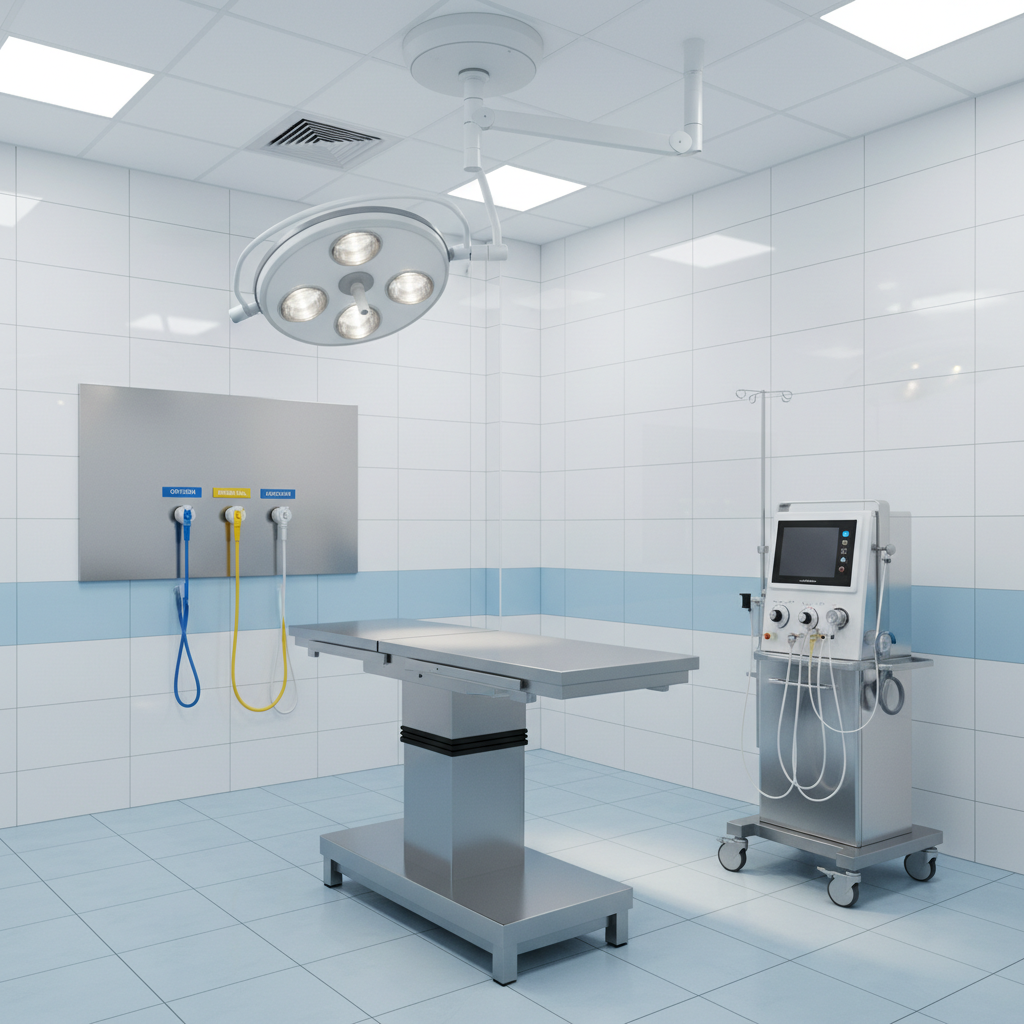
    Station outlets are the final connection point between the pipeline and the patient. In veterinary medicine, the most common outlets are:

    • Oxygen
    • Medical Air
    • Nitrous Oxide
    • Vacuum / Suction
    • Waste Anesthetic Gas Disposal (WAGD)

    Each outlet is gas-specific, using a unique pin configuration (like DISS - Diameter Index Safety System) to prevent accidental cross-connection. It is physically impossible to plug an oxygen hose into a medical air outlet. Regular inspection and maintenance of these outlets are crucial to prevent leaks and ensure proper connection.

    Comparison of Common Terminal Unit Brands

    FeatureOhmeda (Diamond)ChemetronPuritan Bennett
    Connection TypeQuick ConnectQuick ConnectQuick Connect
    Common UseVery common in US hospitalsVery common in US hospitalsLess common, but still found
    DurabilityHighHighHigh
    ServiceabilityField-serviceable partsField-serviceable partsField-serviceable parts
    Key IdentifierDistinctive diamond shapeRectangular faceplateCircular faceplate

    Verification, Inspection, and Maintenance

    A medical gas system is not "set it and forget it." Ongoing testing and maintenance are required to ensure it remains safe and compliant.

    • Initial Verification: After a new system is installed or modified, it must be fully tested by an independent third party. This process, performed by an ASSE 6030 Certified Medical Gas Verifier, ensures the system was installed correctly, is free of cross-connections, and delivers the correct, pure gas to each outlet. Medical gas verification is a non-negotiable step before the system can be used for patient care.

    • Annual Inspections: Most regulatory bodies and best practices recommend a full system inspection every year. These annual medical gas inspections check for pressure drops, test alarm functions, inspect source equipment, and identify potential leaks or hazards.

    • Preventative Maintenance: Regular maintenance on components like compressors, vacuum pumps, and alarms is essential to prevent costly failures. Medical Testing Solutions offers comprehensive medical gas maintenance services to keep your system running smoothly.

    Conclusion: Partner with the Experts for a Safe, Compliant System

    Your veterinary medical gas system is a foundational component of patient care and staff safety. From initial design and equipment selection to certified installation and ongoing preventative maintenance, every step requires specialized expertise. Don't leave the safety of your patients and staff to chance.

    Contact the ASSE-certified professionals at Medical Testing Solutions today. We provide comprehensive services for veterinary anesthesia equipment and medical gas systems, including design consultation, installation, verification, and annual inspections.

    Call us at (754) 315-1078 or request a quote online to ensure your facility meets the highest standards of safety and compliance.


    Frequently Asked Questions

    While portable tanks are suitable for field work or very low-volume use, any practice performing regular surgery or sedation will benefit from the safety, convenience, and long-term cost-effectiveness of a centrally-piped system with an automatic manifold.

    WAGD stands for Waste Anesthetic Gas Disposal. It is a dedicated vacuum system that actively scavenges and removes waste anesthetic gases from the breathing circuit and the room, protecting staff from the long-term health risks of exposure, as required by OSHA.

    A full system verification by an ASSE 6030 verifier is required upon initial installation or any modification. After that, a comprehensive inspection of all components, including alarms, outlets, and source equipment, should be performed at least annually.

    No. Medical gas piping must be installed by a certified ASSE 6010 installer who is trained in the specific brazing techniques, nitrogen purging, and cleanliness requirements needed to prevent system contamination and ensure safety.

    This article is provided for educational purposes and reflects industry standards as of publication. Always verify against current NFPA 99, CGA, and AHJ requirements. Medical Testing Solutions is ASSE-certified and ready to help — contact us for facility-specific guidance.

    Request a quote for your facility

    Talk with Medical Testing Solutions about your next inspection, repair or equipment request.

    Get a quote in 1 business day

    I agree to receive text messages from Medical Testing Solutions, L.L.C. at the phone number provided, including informational and marketing messages. Consent is not a condition of purchase. Message frequency varies. Message & data rates may apply. Reply STOP to opt out or HELP for help. See our Privacy Policy and Messaging Terms.

    Prefer to talk? Call (754) 315-1078

    Related articles