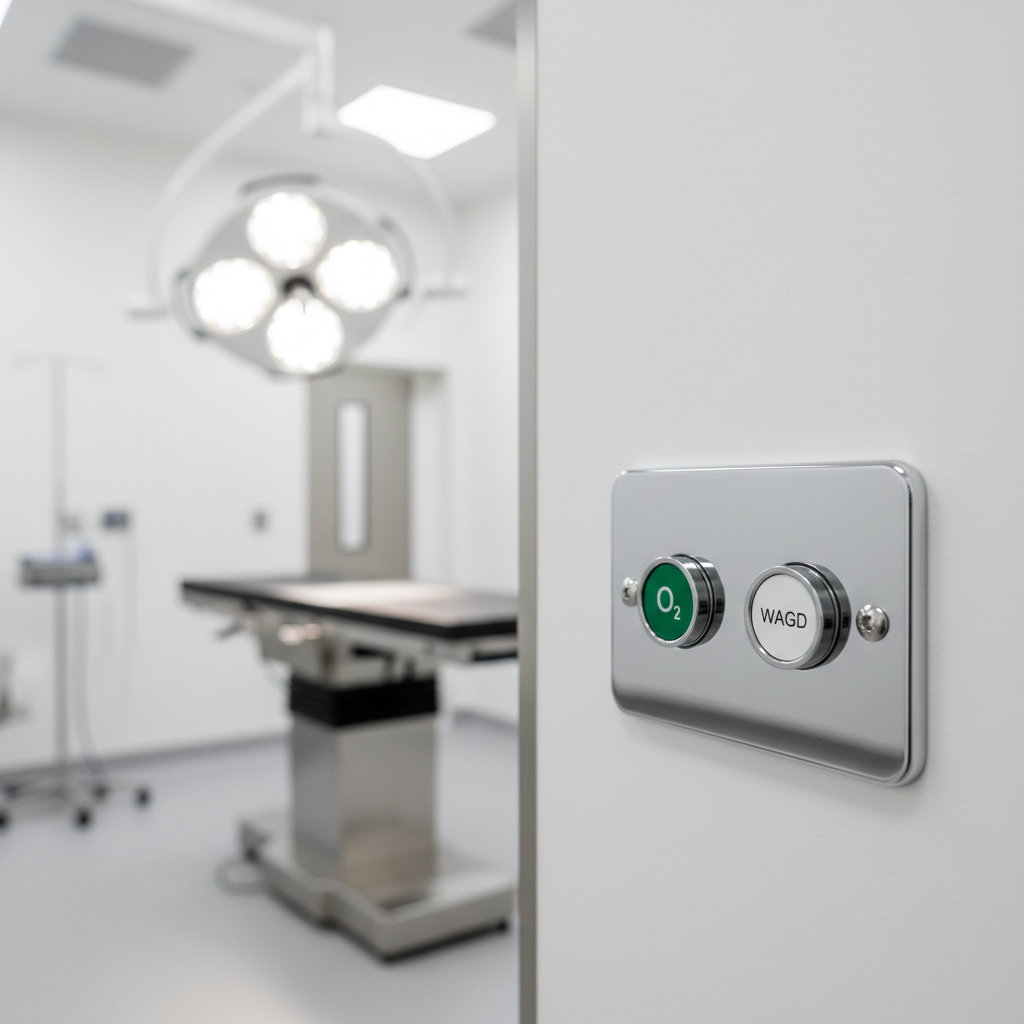
Designing and installing a medical gas system in a veterinary hospital is a critical undertaking that directly impacts patient safety, staff well-being, and regulatory compliance. Unlike standard plumbing, these systems deliver life-sustaining gases like oxygen and remove hazardous waste anesthetic gases (WAGs). Proper installation isn't just a best practice; it's mandated by law and professional standards. This guide provides a definitive overview of veterinary medical gas installation for clinic owners and managers in Wilmington, NC, explaining the codes, components, and certification process you need to know.
Understanding the Core Components of a Veterinary Gas System
A typical veterinary medical gas system is a complex network of sources, pipes, and outlets designed to deliver specific gases safely and reliably. While systems vary based on clinic size and services offered, most include four primary subsystems:
Oxygen (O2): The most critical life-support gas, used for anesthesia and respiratory therapy. Systems are typically supplied by high-pressure cylinders or bulk liquid oxygen tanks.
Nitrous Oxide (N2O): A common analgesic and anesthetic agent, particularly in dental and minor procedures. It is supplied via high-pressure cylinders.
Medical Vacuum: A suction system used to remove fluids and debris from the surgical site or airway. It consists of a dedicated vacuum pump and collection canisters.
Waste Anesthetic Gas Disposal (WAGD) / Scavenging: A crucial safety system that actively removes exhaled anesthetic gases from the operating room, protecting staff from chronic exposure. This is mandated by the AVMA and OSHA.
Key Codes and Standards: NFPA 99 and ASSE 6000 Series
Navigating the web of regulations is one of the biggest challenges in medical gas installation. Two primary sets of standards govern veterinary systems in the United States.
NFPA 99 Health Care Facilities Code
The National Fire Protection Association (NFPA) 99 is the foundational code for all medical gas systems. It outlines the minimum requirements for the safe design, installation, and operation of these systems. For veterinary clinics, key chapters include:
Chapter 5: Gas and Vacuum Systems: This is the core of the code, detailing requirements for everything from source equipment and piping to alarms and outlets.
Chapter 15: Veterinary Facilities: While NFPA 99 is primarily for human healthcare, Chapter 15 provides specific adaptations and requirements for veterinary applications.
Why this matters for compliance: Failure to adhere to NFPA 99 can result in failed inspections, costly rework, and significant safety hazards. It is not a set of guidelines but a legally enforceable code in most jurisdictions, including North Carolina.
ASSE/IAPMO Series 6000
The American Society of Sanitary Engineering (ASSE) Series 6000 provides personnel qualifications for medical gas systems installers, verifiers, and maintenance personnel. Hiring credentialed professionals is non-negotiable.
ASSE 6010 Credential: For Medical Gas Systems Installers. Anyone physically installing the piping and components must hold this certification.
ASSE 6030 Credential: For Medical Gas Systems Verifiers. After installation is complete, an independent, third-party verifier must inspect and test the entire system before it can be used on patients. This is known as medical gas verification.
ASSE 6040 Credential: For Medical Gas Systems Maintenance Personnel.
Medical Testing Solutions employs a team of ASSE 6010 and 6030 certified professionals to ensure your veterinary gas system installation is performed correctly and verified to the highest standards.
The Installation Process: From Design to Certification
A compliant veterinary medical gas installation follows a structured, multi-phase process. Skipping or rushing any step can compromise the entire system.
Design & Planning: The system must be designed by a qualified engineer. This phase involves determining gas needs, outlet locations, pipe sizing, and alarm placements based on the clinic's layout and anticipated caseload.
Piping Installation: This is performed by an ASSE 6010 certified installer. All piping must be medical-grade copper (Type K or L), cleaned for oxygen service, and brazed with a continuous nitrogen purge. This purge prevents the formation of carbonaceous oxides inside the pipe, which could otherwise be delivered to a patient.
Component Installation: Manifolds, alarms, zone valves, and outlets/inlets are installed according to the design plans.
Initial Installer Testing: The installer performs initial pressure tests and other checks to ensure the system is leak-free and ready for formal verification.
Third-Party Verification (ASSE 6030): An independent verifier like Medical Testing Solutions conducts a comprehensive battery of tests to confirm system integrity, gas purity, and functionality. This is a mandatory step before the system can be put into service.
Final Connection & Training: Once the system passes verification, the gas sources are connected, and the clinic staff is trained on its safe operation.
Piping Materials and System Costs: A Comparison
Choosing the right materials is crucial for safety and longevity. While the initial cost is a factor, compliance and patient safety are paramount.
Feature
Medical Grade Copper (Type K/L)
Standard Plumbing Copper
PVC / Other Plastics
Compliance
NFPA 99 Compliant
Non-Compliant
Strictly Prohibited
Installation
Brazed with nitrogen purge by ASSE 6010 installer
Soldered
Solvent welded or fused
Safety
High-pressure tolerance, clean for oxygen service
Risk of oil/residue, weak joints
Can degrade with gases, fire hazard
Relative Cost
High
Low
Very Low
Use Case
Required for all medical gas and vacuum distribution lines
Prohibited for medical gas
Prohibited for medical gas and vacuum
Attempting to cut costs by using non-compliant materials is a serious violation that will result in a failed verification and require a complete system replacement.
Maintaining Your System Post-Installation
Your responsibility doesn't end after the installation passes verification. Regular maintenance and inspection are essential for ensuring long-term safety and performance. An effective maintenance plan includes:
Daily Checks: Staff should check manifold pressures and alarm panels daily.
Preventative Maintenance: Regular service of key components like vacuum pumps and gas manifolds should be scheduled according to manufacturer recommendations.
WAG Monitoring: Periodic checks of waste anesthetic gas levels in the operating room are vital for OSHA compliance. Our WAG chemical vapor monitoring services can help ensure your staff is protected.
Partner with the Certified Experts in Wilmington, NC
Ensuring your veterinary clinic’s medical gas system is installed correctly is one of the most important investments you can make in patient safety and staff protection. From initial design to final verification and ongoing maintenance, every step must be executed by certified professionals who understand the nuances of NFPA 99 and veterinary-specific requirements.
If you are planning a new build, renovation, or upgrade to your clinic in the Wilmington, NC area, contact the experts at Medical Testing Solutions. Our ASSE-certified team provides compliant, safe, and reliable installation services. Call us today at +1 (754) 315-1078 or request a quote online to get started.
Frequently Asked Questions
The timeline varies significantly with project scope. A simple system in a small clinic may take a few days, while a large, new-build hospital installation can take several weeks. The critical path often involves coordination with other trades during construction.
No. NFPA 99 explicitly requires that medical gas systems be installed by individuals holding an ASSE 6010 certification. A standard plumber does not have the required training or credentials for this specialized work.
Verification (ASSE 6030) is the third-party testing of a newly installed or modified system to ensure it is safe and compliant before being used on patients. Certification refers to the credentials of the personnel (e.g., an ASSE 6010 Certified Installer) or the overall documentation stating the system meets all code requirements.
Costs can range from a few thousand dollars for a basic, single-gas setup to tens of thousands for a multi-gas system in a large surgical center. Key cost drivers include the number and type of gases, number of outlets, and complexity of the pipe routing. The only way to get an accurate figure is to request a quote based on your specific plans.
A WAGD system protects your veterinary staff from the long-term health risks associated with chronic exposure to waste anesthetic gases, such as isoflurane or sevoflurane. These risks can include reproductive issues, liver and kidney damage, and neurological problems. OSHA can and does cite facilities for inadequate WAG management.
Request a quote for your facility
Talk with Medical Testing Solutions about your next inspection, repair or equipment request.