For veterinary practices in West Palm Beach, a properly installed and compliant medical gas system is the lifeblood of the surgical suite. These complex systems, delivering oxygen, nitrous oxide, and medical vacuum while safely scavenging waste anesthetic gas, are governed by strict safety standards. This guide provides a definitive overview of the requirements for veterinary medical gas installation in Florida, from NFPA 99 code compliance to the step-by-step installation process. You will learn what the codes demand, how to choose a qualified installer, and how partnering with a local, Florida-based expert like Medical Testing Solutions can save your practice time and money while ensuring the highest level of safety for patients and staff.
Veterinary Medical Gas Installation in West Palm Beach, FL
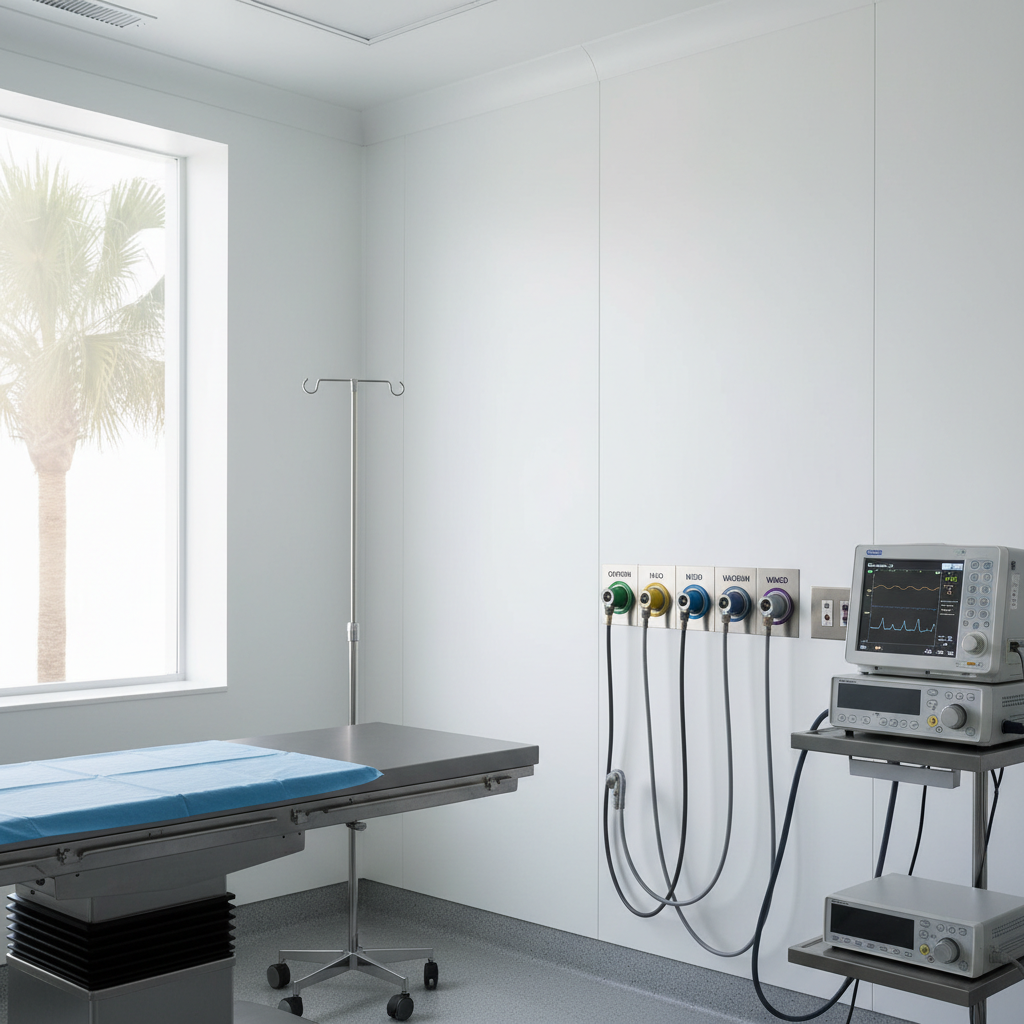
Why NFPA 99 Compliance is Non-Negotiable for Florida Veterinary Practices
While some may view veterinary facilities as being outside the scope of human healthcare regulations, the standards for life-support gases are largely the same. The National Fire Protection Association's NFPA 99, Health Care Facilities Code, is the foundational text for these systems. Adherence isn't just best practice; it's essential for patient safety, staff protection, and regulatory approval in Florida.
Key NFPA 99 Requirements for Vet Clinics
For any new construction or renovation of a veterinary hospital, the medical gas system must be installed by personnel certified to the ASSE 6010 Medical Gas Systems Installers standard. Following the installation, the entire system must be tested and verified by an independent, ASSE 6030 certified verifier. This verification is a comprehensive process that ensures every component, from the source equipment to the patient outlet, operates correctly, is free from contaminants, and meets the strict purity standards outlined in the code.
Florida AHCA and Joint Commission (TJC) Oversight
In Florida, medical gas systems must be robust enough to satisfy oversight from the Agency for Health Care Administration (AHCA). Verification reports are meticulously reviewed to ensure they comply with AHCA OPS Form 3110 and Chapter 59A of the Florida Administrative Code. While TJC accreditation is more common in human hospitals like Baptist Health or Cleveland Clinic Florida, their standards are often seen as the benchmark for quality and safety, which many leading veterinary hospitals strive to emulate.
Why this matters for compliance: A failed inspection can lead to costly project delays, Re-piping, and re-testing. Using an installer and verifier who are intimately familiar with Florida-specific AHCA requirements is the best way to ensure your project is completed on time and on budget.
Core Components of a Veterinary Medical Gas System
A typical veterinary surgical gas system includes four primary components:
- Oxygen (O2): Usually supplied via a high-pressure manifold with multiple cylinders. The system must ensure a continuous, uninterrupted supply for life support.
- Nitrous Oxide (N2O): Similar to oxygen, N2O is supplied from a manifold system for anesthetic use.
- Medical Vacuum: A dedicated pump system creates suction used for aspiration and other procedures.
- Waste Anesthetic Gas Disposal (WAGD): Also known as scavenging, this system is crucial for removing exhaled anesthetic gases from the operating room, protecting staff from long-term exposure risks. Proper WAGD monitoring is a critical safety component.
The Installation Process: A Step-by-Step Guide
A compliant veterinary medical gas installation follows a meticulous, multi-step process undertaken by an ASSE 6010 certified team. This ensures safety, purity, and proper function.
- System Design & Planning: The process starts with a detailed plan mapping out pipe routes, outlet locations, and source equipment placement, all designed to meet the specific needs of your West Palm Beach practice.
- Piping Installation: All piping is cleaned for oxygen service and installed using a brazing process with nitrogen purging, which prevents the formation of harmful oxides inside the pipes. This task can only be performed by an ASSE 6010 certified installer.
- Component Installation: Source equipment like manifolds, vacuum pumps, and alarms are installed, along with terminal outlets and inlets in the surgical suites.
- Initial Installer Testing: The installation team performs initial pressure tests and other checks to ensure the system is ready for the final verification.
- Third-Party ASSE 6030 Verification: An independent medical gas verifier performs a battery of tests to confirm system integrity, gas purity, and overall compliance with NFPA 99. This is the final step before the system can be put into service.
The Florida Advantage: MTS in West Palm Beach
Partnering with a local, Florida-based firm for your installation offers significant advantages. Medical Testing Solutions, headquartered at 501 East Las Olas Blvd, Fort Lauderdale, FL 33301, provides a level of service and cost-efficiency that out-of-state companies cannot match.
| Factor | Medical Testing Solutions (Local) | Out-of-State Competitor |
|---|---|---|
| Travel Fees | $0 (statewide) | Varies, often thousands |
| Lodging / Per-Diem | $0 | Required, adds significant cost |
| AHCA & Local Code Fluency | Expert-level knowledge | General knowledge, may miss local specifics |
| Post-Hurricane Response | Immediate (South FL crews) | Delayed by travel & logistics |
| Typical Client Savings | 10–25% | Standard Pricing |
Our deep familiarity with the West Palm Beach medical gas services market and the broader Florida compliance landscape means we can navigate AHCA and TJC requirements efficiently. Crucially, after a hurricane, a serious concern in Palm Beach County, our local crews can be on-site for emergency re-verification (per NFPA 99 5.1.12) long before an out-of-state team can even book a flight.
Post-Installation: Inspections and Maintenance
Once your system is installed and verified, your obligation to safety and compliance continues. NFPA 99 requires regular inspections and maintenance to ensure the system remains in perfect working order. Medical Testing Solutions offers comprehensive annual medical gas inspections and preventative maintenance programs to keep your practice compliant and your patients and staff safe for years to come. We are a full-service provider, also offering a complete catalog of veterinary anesthesia equipment and components.
Get Your Installation Quote for West Palm Beach
For veterinary practices in West Palm Beach and throughout South Florida, Medical Testing Solutions is the trusted, local partner for ASSE-certified medical gas installation, verification, and maintenance. We guarantee compliance and patient safety, all while saving you money by eliminating the travel costs charged by out-of-state firms.
Call our Fort Lauderdale office today at +1 (754) 315-1078 to discuss your project. Or, request a quote online to get started. '''
Frequently Asked Questions
Request a quote for your facility
Talk with Medical Testing Solutions about your next inspection, repair or equipment request.