Properly installed medical gas systems are a critical life-support component in any veterinary hospital or surgical suite. These complex systems deliver oxygen (O2) for resuscitation and anesthesia, nitrous oxide (N2O) for sedation, and include vacuum and waste anesthetic gas disposal (WAGD) lines to ensure patient and staff safety. For veterinary practices in Washington DC, a compliant medical gas installation is not just a matter of best practice, it's a requirement governed by strict national codes and standards. This guide will walk you through the essential components, design considerations, and regulatory requirements for a safe and compliant veterinary medical gas installation.
Medical Gas Service
Compliance & Standards
Veterinary
Veterinary Medical Gas Installation in Washington DC: A Complete Guide
Medical Testing SolutionsAugust 22, 20267 min read
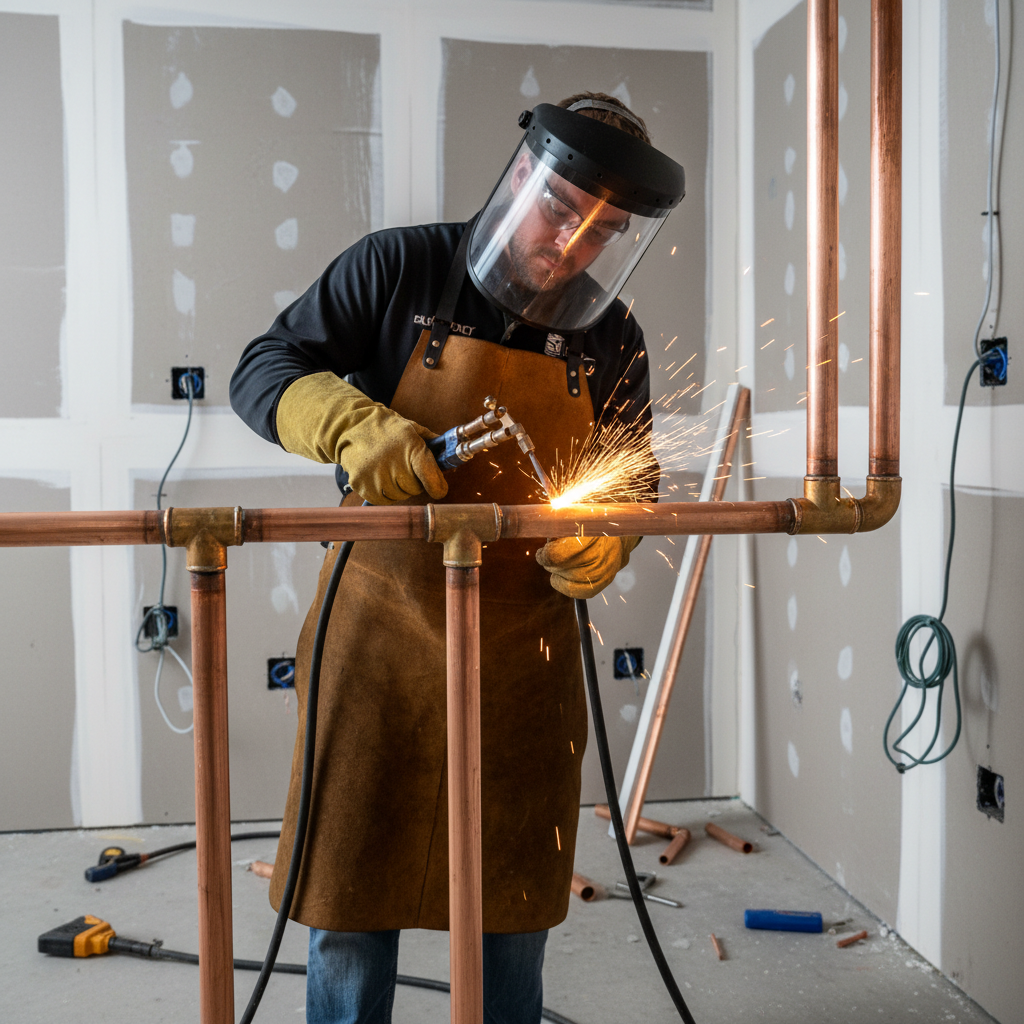
Core Components of a Veterinary Medical Gas System
A veterinary gas system is more than just pipes in the wall; it's an integrated network of sources, pipelines, and terminal units. Each component must be specified and installed correctly to ensure gas purity, system integrity, and patient safety, primarily adhering to the National Fire Protection Association (NFPA) 99 Health Care Facilities Code.
1. Gas Sources
- Oxygen (O2): The most common source for veterinary use is high-pressure cylinders (H or K-style) connected to a manifold system. An automatic changeover manifold is critical to ensure an uninterrupted gas supply, switching from the primary bank to the secondary bank when pressure drops.
- Nitrous Oxide (N2O): Similar to oxygen, N2O is supplied via high-pressure cylinders connected through a manifold.
- Medical Vacuum: A dedicated medical vacuum pump is required to create suction for surgical procedures. These are distinct from industrial or cleaning vacuums and must be designed for continuous operation and maintain specific vacuum levels.
- Waste Anesthetic Gas Disposal (WAGD): Sometimes called scavenging, a WAGD system is essential for removing exhaled anesthetic gases from the operating room, protecting staff from chronic exposure. This requires a dedicated WAGD producer or a venturi-style connection to the medical vacuum system.
2. The Pipeline Distribution Network
This is the network of copper piping that transports the gases from the source to the patient care areas.
- Type L Copper Tubing: All medical gas pipelines must be constructed from seamless, rigid Type L or K copper medical gas tubing (ASTM B819).
- Brazing: Joints must be brazed, not soldered, using a specific brazing alloy. During brazing, an inert nitrogen purge must be maintained inside the pipe to prevent oxidation, which could otherwise introduce harmful particulates into the system.
- Zone Valves: Ball valves are installed to isolate specific areas (e.g., a single operating room) of the hospital for maintenance or emergencies without shutting down the entire system.
3. Terminal Units and Alarms
- Outlets: Gas-specific outlets (DISS, Chemetron, etc.) are installed at the points of use, such as in operating rooms and recovery areas. These are indexed by gas to prevent accidental cross-connection.
- Master and Area Alarms: A master alarm panel is required to monitor the status of all gas sources. Area alarms are placed in critical locations to alert staff to pressure drops or other issues within their specific zone.
Why this matters for compliance: NFPA 99 (Chapter 5) outlines the explicit requirements for all of these components, from the type of copper tubing to the brazing process and the necessity of alarm systems. A non-compliant installation can result in immediate safety hazards and failed inspections.
Key Design and Installation Considerations per NFPA 99
While the American Veterinary Medical Association (AVMA) provides guidelines for anesthesia, it's NFPA 99 that provides the definitive code for the installation itself. Here are the critical steps for a compliant veterinary medical gas installation.
System Sizing and Demand
Before installation, a qualified technician must calculate the peak gas demand for your facility. This involves determining:
- The number of simultaneous operating rooms.
- The types of procedures performed.
- The flow rates required for your anesthesia machines and other equipment.
Undersizing the system can lead to dangerous pressure drops during peak use. Medical Testing Solutions can partner with your practice to engineer a system appropriately sized for your specific clinical needs.
Source Equipment Location
- The primary gas supply (cylinder banks, manifolds) must be located in a dedicated, secured room with adequate ventilation.
- The location cannot be used for general storage, especially not for combustible materials.
- NFPA 99 has specific requirements for the construction and ventilation of these rooms to prevent gas buildup.
Installation by Certified Professionals
This is non-negotiable. NFPA 99 mandates that medical gas systems be installed by individuals qualified under the ASSE 6000 standard series.
- ASSE 6010 Certified Installer: This certification is required for the person performing the physical installation, including the brazing of all pipes and components.
- ASSE 6030 Certified Verifier: After the installation is complete, a different, third-party individual must conduct a thorough medical gas verification. This is a multi-step process that ensures the system is safe for patient use.
The Verification Process (ASSE 6030)
Once the installer's work is done, the verifier steps in. This process is a crucial safety check to ensure no errors were made during installation. Attempting to use a system before it is fully verified can be catastrophic.
Key Verification Steps Include:
- Initial Blowdown: High-volume nitrogen is flushed through the pipes to remove debris.
- Piping Purge Test: Verifies that the nitrogen purge was correctly used during brazing.
- Standing Pressure Test: The system is pressurized to 150 psi to check for any leaks in the piping.
- Cross-Connection Test: Confirms that each gas-specific outlet is connected to the correct gas source.
- Gas Purity and Concentration Test: Ensures that the gas delivered at the outlet is pure and meets medical standards.
- Alarm Testing: Verifies that all master and area alarms function correctly.
Only after passing all steps of this rigorous inspection can the system be certified and put into service. Medical Testing Solutions provides comprehensive ASSE 6030 verification services to ensure your new installation is 100% compliant and safe.
Comparison of Common Veterinary Anesthesia Delivery Systems
| Feature | Central Pipeline System | Portable E-Cylinder System |
|---|---|---|
| Gas Source | Central manifold with large H/K cylinders | Small E-cylinders attached directly to the anesthesia machine |
| Best For | Multi-room hospitals, high-volume surgical centers | Single-room practices, mobile vets, low-volume use |
| Upfront Cost | High (piping, labor, alarms) | Low (cost of cart and cylinders) |
| Ongoing Cost | Lower gas cost per unit volume | Higher gas cost; frequent cylinder changes |
| Safety | High (automatic changeover, alarms, fewer cylinder changes) | Lower (risk of running out mid-procedure, manual cylinder handling) |
| Compliance | Meets all NFPA 99 requirements for Level 1-3 facilities | May not be suitable for facilities classified above Level 3 |
Annual Inspections and Maintenance
A compliant installation is just the first step. Ongoing annual medical gas inspections are essential to ensure the system remains safe and reliable over its lifetime. An annual inspection will check for:
- Outlet and valve function
- Alarm calibration and function
- Source equipment performance
- System pressure and flow rates
Regular maintenance prevents small issues from becoming critical failures. As an ASSE-certified service company, Medical Testing Solutions offers preventative maintenance and annual inspection programs tailored for veterinary facilities in the Washington DC area.
Get a Compliant Veterinary Gas System in Washington DC
Ensuring your veterinary hospital’s medical gas system is designed, installed, and verified to meet NFPA 99 and ASSE 6000 standards is one of the most important investments you can make in patient and staff safety. From initial design to final verification and ongoing maintenance, the certified experts at Medical Testing Solutions are here to help.
If you are planning a new build, renovating a clinic, or upgrading your existing system in the Washington DC area, contact us for a comprehensive consultation and quote. Call us at +1 (754) 315-1078 or request a quote online to get started with an ASSE 6010 certified team today.
Frequently Asked Questions
Functionally, they are very similar and must adhere to the same core NFPA 99 safety standards for installation. The main differences are often in scale and the specific types of terminal units or anesthesia equipment used.
This depends on the size of the facility. A single operating room in an existing building might take a few days, while a new multi-room hospital build-out could take several weeks of coordination with other trades.
No. NFPA 99 explicitly requires that installers be certified to the ASSE 6010 standard. A standard plumber does not have the specific training in brazing techniques, nitrogen purging, or system testing required for this life-critical work.
The primary code is NFPA 99, Health Care Facilities Code. Additionally, your installer and verifier should be certified to the ASSE 6000 series (specifically 6010 for installers and 6030 for verifiers). Finally, Compressed Gas Association (CGA) pamphlets provide standards for handling gas cylinders.
Absolutely. OSHA and the AVMA strongly recommend active scavenging systems to protect veterinary staff from the long-term health risks associated with exposure to waste anesthetic gases.
Costs vary widely based on the number of outlets, the distance from the source, and the complexity of the facility. The only way to get an accurate number is to receive a detailed quote. Contact us for a comprehensive assessment.
Request a quote for your facility
Talk with Medical Testing Solutions about your next inspection, repair or equipment request.