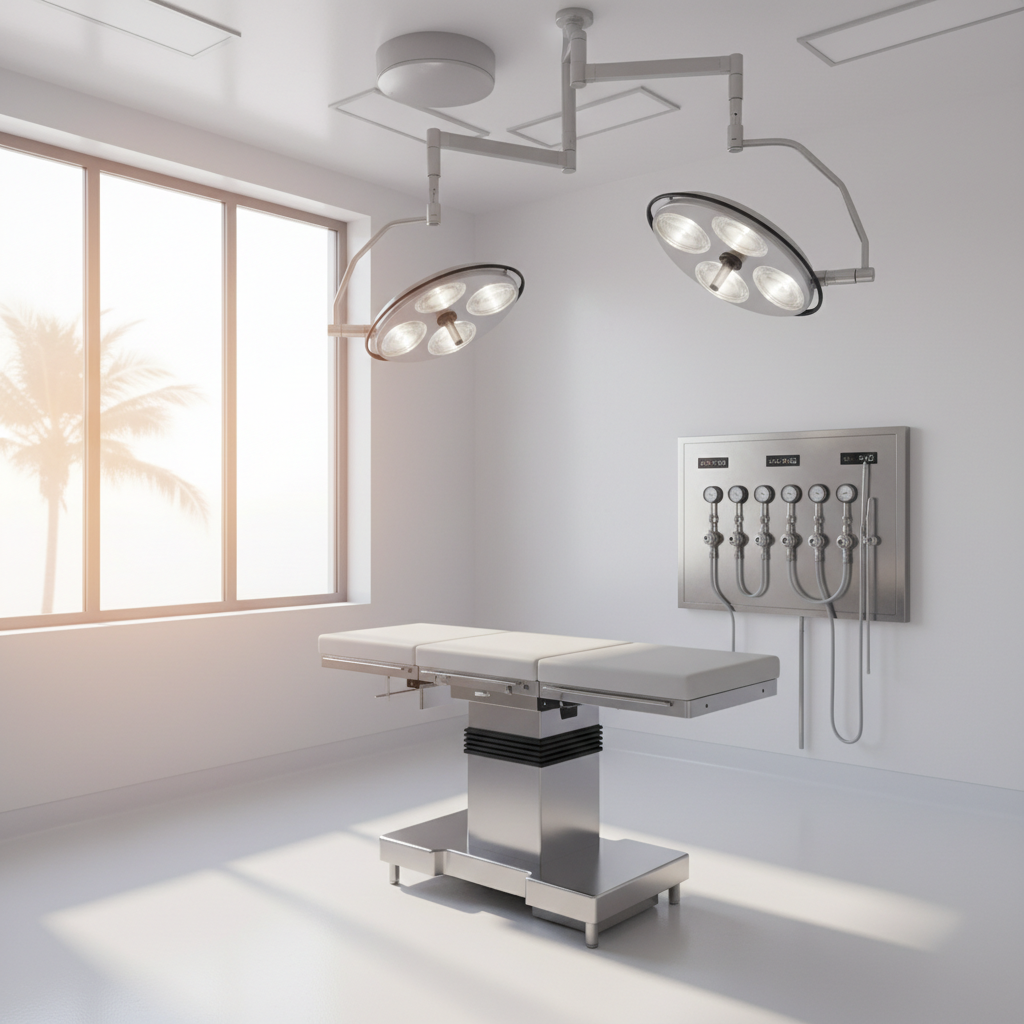
Veterinary Medical Gas Installation in Tallahassee, FL: A Guide for Animal Hospitals & Clinics
Medical Testing SolutionsJune 20, 20266 min read
Share
For veterinary practices in Tallahassee, from small clinics to large animal hospitals, the safety and reliability of medical gas systems are paramount. A properly installed and maintained gas delivery system is the lifeblood of your surgical suite, critical for delivering oxygen (O2), nitrous oxide (N2O), and providing essential medical vacuum and waste gas scavenging. This system ensures patient safety during procedures and protects your staff from hazardous exposure. However, navigating the complexities of design, installation, and compliance with standards from the NFPA, AVMA, and Florida's own AHCA can be daunting.
This definitive guide will walk you through the essential requirements for veterinary medical gas installation in Tallahassee, FL. You will learn about the core components of these systems, the governing codes and standards, the step-by-step installation process, and why partnering with a Florida-based, ASSE-certified company is your most efficient and cost-effective choice.
Core Components of a Veterinary Medical Gas System
A veterinary medical gas system is an integrated network of pipes, source equipment, and terminal units designed to deliver specific gases from a central supply to points of use. For most animal health facilities, this includes:
Medical Oxygen (O2)
The most critical component, oxygen is delivered from high-pressure cylinders or a central manifold to anesthetizing stations and recovery areas. A properly sized system ensures consistent pressure and flow for patient safety.
Nitrous Oxide (N2O)
Used as an analgesic and anesthetic agent, N2O systems require careful installation to prevent leaks. Like oxygen, it is typically supplied from cylinders connected to a manifold system.
Medical Vacuum
Medical vacuum systems are crucial for aspirating fluids and tissues during surgery. A dedicated vacuum pump and piping network, distinct from any general-purpose vacuum, must be installed to maintain consistent, medical-grade suction.
Perhaps the most overlooked component, a WAGD system is vital for staff safety. It actively removes exhaled anesthetic gases from the surgical suite, venting them safely outside the building. This protects your technicians and veterinarians from the long-term health risks of exposure, as required by the AVMA.
NFPA 99 & ASSE 6000: The Compliance Framework for Tallahassee Vets
While some may think human and animal medical gas systems are different, the core safety principles and governing codes are the same. For any new construction or major renovation in Tallahassee, your medical gas system must comply with NFPA 99, Health Care Facilities Code.
Why This Matters for Compliance: The Florida Agency for Health Care Administration (AHCA) and The Joint Commission (TJC) both reference NFPA 99 as the standard for medical gas systems. A non-compliant installation can result in failed inspections, costly rework, and potential legal liability. For Florida facilities, all verification reports must satisfy AHCA Form 3110.
Key standards include:
NFPA 99, Chapter 5: Specifies requirements for Category 1, 2, and 3 gas and vacuum systems, covering everything from materials and installation to testing and verification.
ASSE 6010: The standard for Medical Gas Systems Installers. Any technician working on your system must hold this certification.
ASSE 6030: The standard for Medical Gas Systems Verifiers. After installation is complete, an independent, ASSE 6030-certified verifier must test and approve the entire system before it can be used on patients. Medical Testing Solutions provides comprehensive medical gas verification services to ensure your system meets these rigorous standards.
Code Comparison: Key NFPA 99 Requirements
Requirement
NFPA 99 Specification
Implication for Vet Clinics
Pipe Material
Seamless copper medical gas tubing (Type K or L)
Must use specially cleaned and capped piping. No standard plumbing copper.
Brazing
Must be performed with a continuous nitrogen purge
Prevents internal oxidation (carbon buildup) that can contaminate gas flow.
Valves
Ball valves, source valves, and zone valve boxes
Allows for isolation of specific areas for maintenance without shutting down the entire facility.
Alarms
Master and area alarm panels
Provides audible and visual alerts for pressure changes or equipment failure.
Verification
Must be performed by an ASSE 6030 certified third-party
Ensures the system is safe, pure, and ready for patient use before it is turned over.
The Installation Process: A Step-by-Step Guide
A compliant veterinary medical gas installation follows a meticulous, multi-stage process performed by certified professionals.
Design & Engineering: The process begins with a review of your clinic's floor plans and surgical needs. We design a system that is correctly sized, meets all NFPA 99 requirements, and is planned for future expansion.
Piping Rough-In: ASSE 6010 certified installers run the network of seamless copper tubing from the source equipment location to the planned terminal locations. All joints are brazed with a nitrogen purge.
Source Equipment Installation: This involves installing the oxygen manifold, vacuum pump, and any other central sources. This equipment must be placed in a dedicated room with proper ventilation and access.
Alarm & Outlet Installation: Master alarms (at the source) and area alarms (in surgical areas) are wired and installed. Wall-mounted or ceiling-mounted terminal units are installed and connected to the piping network.
Pre-Verification Testing: The installer performs initial pressure tests and system blow-downs to ensure the pipeline is free of leaks and particulates.
Final Verification & Certification: A certified third-party verifier performs a battery of tests to confirm gas identity, purity, pressure, flow, and alarm function. Once passed, the system is certified and ready for patient use.
Why Florida Vets Choose MTS: The Local Advantage
When choosing an installation partner, proximity, and expertise matter. Medical Testing Solutions is headquartered at 501 East Las Olas Blvd, Ste 300, Fort Lauderdale, FL 33301, making us a truly local Florida company.
Our deep experience working with major Florida hospital systems like UF Health Shands, Cleveland Clinic Florida, and Broward Health gives us unparalleled insight into the state's unique regulatory landscape.
Here’s what our local presence means for your Tallahassee practice:
No Travel Fees: We dispatch our ASSE-certified technicians from within Florida. That means NO travel fees, NO lodging costs, and NO per-diem charges passed on to you. This alone saves most of our clients 10–25% compared to out-of-state companies.
Hurricane Response & Re-Verification: NFPA 99 (5.1.12) requires system re-verification after any event that causes a loss of pressure, including hurricane damage. Our South Florida crews can mobilize quickly post-storm to get your facility recertified and operational faster than anyone.
AHCA & TJC Expertise: We understand the specific documentation required by the AHCA and The Joint Commission. Our reports are built to satisfy these agencies' requirements from the start.
Get Your Quote from Florida's Leading Medical Gas Installers
Don't leave the safety of your patients and staff to chance. Partner with a company that has deep roots in Florida and a proven track record of compliant, cost-effective installations. We provide services across the state, from Tallahassee to our home base in South Florida.
Ready to start your project? Call our Fort Lauderdale office directly at +1 (754) 315-1078 or contact us online to request a free quote for your veterinary medical gas installation. Our team is ready to help you design and build a system that is safe, reliable, and built for the future.
'''
Frequently Asked Questions
Most veterinary surgical suites require Oxygen (O2) for patient respiration, Medical Vacuum for aspiration, and Waste Anesthetic Gas Disposal (WAGD) for staff safety. Some may also include Nitrous Oxide (N2O) for analgesia.
Absolutely. New installations and modifications must be performed by ASSE 6010 certified installers and then tested and certified by an independent ASSE 6030 certified verifier before being used for patient care.
The cost varies based on the size of the clinic, the number of outlets, and the types of gases. However, because Medical Testing Solutions is Florida-based, our clients avoid hefty travel and lodging fees, typically saving 10-25% versus competitors from Georgia or other states.
NFPA 99 is the Health Care Facilities Code that outlines the safety standards for medical gas systems. It is the governing standard referenced by AHCA, TJC, and other accrediting bodies, and it absolutely applies to veterinary facilities to ensure a level of safety equivalent to human healthcare.
Yes. From our headquarters in Fort Lauderdale, we proudly serve the entire state of Florida, including Tallahassee and the Panhandle. We provide statewide service with no added travel costs.
Request a quote for your facility
Talk with Medical Testing Solutions about your next inspection, repair or equipment request.