Skip to content
    New: Medical Gas Outlet Retrofit & Rebuild Matrix — cross-reference legacy Chemetron, Ohio Diamond, Puritan-Bennett & more →
    ASSE Certified 24/7
    Medical Gas Service
    Veterinary

    Veterinary Medical Gas Installation in Spartanburg SC: A Guide

    Medical Testing SolutionsAugust 24, 20266 min read
    Share
    Veterinary Medical Gas Installation in Spartanburg SC: A Guide

    Veterinary Medical Gas Installation in Spartanburg SC: A Guide for Modern Clinics

    Properly installed and maintained medical gas systems are the lifeblood of a modern veterinary surgical suite. For clinic owners and facility managers in Spartanburg, South Carolina, designing, installing, and verifying these systems is a critical task that directly impacts patient safety, staff well-being, and regulatory compliance. This guide provides a definitive overview of the process, from understanding the core components and codes to partnering with certified professionals for a successful installation.

    We will explore the specific requirements for veterinary facilities, including oxygen, nitrous oxide, medical vacuum, and waste anesthetic gas disposal (WAGD) systems. You will learn about the key differences between human and animal health standards, the importance of ASSE 6010 certification for installers, and how to ensure your clinic meets the stringent guidelines set by the National Fire Protection Association (NFPA) and the American Veterinary Medical Association (AVMA).

    Understanding the Core Components of a Veterinary Gas System

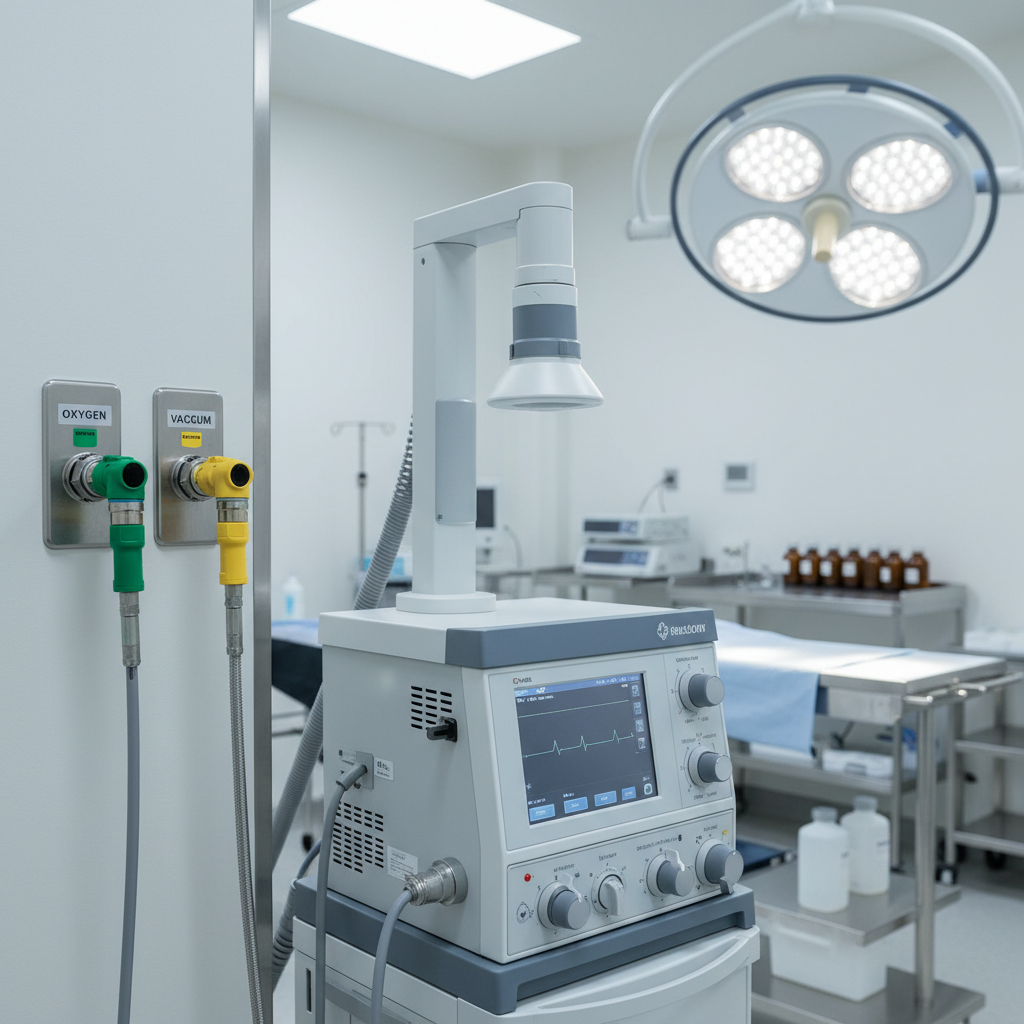
    A compliant veterinary gas system is more than just pipes and outlets. It's an integrated network of sources, distribution pipelines, and terminal units, each governed by strict safety codes. The most common gases used in veterinary medicine are Oxygen (O2), Nitrous Oxide (N2O), and Medical Vacuum. Equally important is the system for safely removing waste anesthetic gases.

    Oxygen (O2) Supply

    Oxygen is essential for patient respiration during anesthesia. Systems typically rely on high-pressure cylinders (H-tanks) or a bulk cryogenic liquid vessel. For veterinary applications, a manifold of high-pressure cylinders is the most common source. An automatic changeover manifold is crucial, ensuring an uninterrupted supply as one bank of cylinders is depleted and the system switches to the reserve bank.

    Nitrous Oxide (N2O) Systems

    Used for its analgesic and anesthetic properties, Nitrous Oxide is also supplied via high-pressure cylinders connected to a manifold system. Proper storage and handling are critical to prevent leaks and ensure staff safety. All N2O systems must be installed with adequate ventilation and WAGD solutions.

    Medical Surgical Vacuum

    Vacuum systems are not for janitorial use; they are a critical component for suctioning fluids during surgical procedures. A dedicated medical vacuum pump, compliant with NFPA 99, is required. The pump must be robust enough to maintain consistent negative pressure and should be located in a well-ventilated area, with its discharge exhausted outside the building.

    Waste Anesthetic Gas Disposal (WAGD) / Scavenging Systems

    Perhaps the most overlooked component, WAGD is essential for protecting veterinary staff from the long-term health risks of exposure to waste anesthetic gases. A dedicated, active scavenging system is the standard of care. This involves a separate vacuum producer specifically designed for WAGD, which is different from the surgical vacuum pump. For expert guidance on exposure limits and testing, see our services on WAG chemical vapor monitoring.

    Key Codes & Standards: NFPA 99 and AVMA Guidelines

    Compliance is non-negotiable. The primary code governing these systems is NFPA 99, the Health Care Facilities Code. While originally written for human healthcare, its principles are the bedrock of safe veterinary installations.

    Why this matters for compliance: NFPA 99 provides the minimum criteria for the installation, inspection, testing, maintenance, and performance of medical gas and vacuum systems. Failure to comply can result in project delays, failed inspections, and significant safety hazards for both patients and staff.

    NFPA 99 Requirements

    • Piping: All distribution piping must be Type K or L seamless copper, cleaned for oxygen service, and installed using a nitrogen purge during brazing to prevent internal oxidation.
    • Valves: Zone valves must be installed to isolate specific areas of the clinic (e.g., each operating room) without shutting down the entire system.
    • Alarms: A master alarm panel in a continuously monitored location is required to signal issues with gas pressure, vacuum levels, or manifold changeover.
    • Outlets: Gas-specific outlets with safety-indexed connections (DISS) are mandatory to prevent accidental cross-connection of gases.

    AVMA Recommendations

    The American Veterinary Medical Association (AVMA) provides guidelines for anesthesia and sedation that reinforce the need for properly installed and maintained equipment. They emphasize the importance of scavenging systems to protect staff from chronic exposure to anesthetic agents.

    The Installation Process: From Design to Verification

    A successful installation is a multi-step process requiring meticulous planning and execution by certified professionals.

    Step 1: System Design & Load Calculation

    Before any pipes are laid, a certified expert must calculate the clinic's specific needs. This involves determining the number of operating rooms, the types of procedures performed, and the simultaneous usage factor to size the source equipment (manifolds, vacuum pumps) and pipeline diameters correctly.

    Step 2: Hiring an ASSE 6010 Certified Installer

    This is the most critical decision you will make. NFPA 99 requires that medical gas systems be installed by individuals qualified to do so. An ASSE 6010 Certified Installer has undergone extensive training and passed a rigorous examination on the code. Medical Testing Solutions provides expert medical gas installation services with ASSE 6010 certified professionals to ensure your Spartanburg project is done right.

    Step 3: Installation & Brazing

    During installation, the certified technician will:

    • Run all copper piping, ensuring proper supports and labels.
    • Braze all joints using a continuous nitrogen purge.
    • Install source equipment, valves, alarm panels, and terminal outlets.

    Step 4: ASSE 6030 Third-Party Verification

    After the installation is complete, but before the system is used on a patient, it must be verified by a separate, unbiased third party. This is the job of an ASSE 6030 Certified Medical Gas Verifier. This verification is a comprehensive set of tests to ensure the system is safe, pure, and operating as designed. This is not a step to be skipped. Medical Testing Solutions is a trusted provider of medical gas verification services for new installations.

    Comparison of Medical Gas System Components

    ComponentFunctionNFPA 99 RequirementCommon Veterinary Spec
    Source ManifoldProvides regulated gas from cylindersAutomatic changeover for primary/reserve supplyH-Cylinder manifold for O2/N2O
    Zone Valve BoxIsolates gas flow to a specific area/roomRequired for each major zoneOne per operating/procedure room
    Alarm PanelMonitors system pressure and statusMaster and area alarms requiredLocated at main reception or tech station
    Surgical VacuumSuction for medical proceduresDedicated pump, separate from WAGDDuplex pump for redundancy
    WAGD SystemRemoves waste anesthetic gases at the sourceActive system with dedicated producer requiredVented to exterior, away from air intakes

    Choosing a Partner in Spartanburg SC

    When selecting a company for your veterinary medical gas installation, prioritize expertise and certification. A provider like Medical Testing Solutions offers a comprehensive approach, from design consultation and certified installation to final verification and long-term annual inspections and maintenance. Our team, headquartered in nearby Florida, serves facilities throughout the Southeast, including the Spartanburg area. We understand the unique demands of veterinary medicine and are committed to ensuring your system is safe, compliant, and reliable.

    Get Your Spartanburg SC Veterinary Clinic Installation Right

    Ensuring your veterinary clinic’s medical gas systems are installed correctly from day one is one of the most important investments you can make in patient safety and staff well-being. Don't leave it to chance. Partner with the certified experts at Medical Testing Solutions for a compliant, safe, and reliable installation.

    Contact us today to discuss your project in the Spartanburg, SC area. Call us at +1 (754) 315-1078 or request a quote online to get started.


    Frequently Asked Questions

    After the initial verification, all medical gas systems should undergo a comprehensive inspection by a certified professional at least annually. This is crucial for maintaining safety and compliance.

    No. NFPA 99 requires that installers be qualified for the specific task. This means hiring an ASSE 6010 Certified Medical Gas Installer who has proven expertise in the unique requirements of these systems, such as nitrogen brazing and pressure testing.

    They are two completely separate systems. Surgical vacuum is high-pressure suction used for fluid removal during procedures. WAGD (Waste Anesthetic Gas Disposal) is a low-pressure system specifically designed to capture and vent anesthetic gases exhaled by the patient, protecting your staff from exposure.

    Yes, it's a mandatory step outlined in NFPA 99. An independent ASSE 6030 Verifier ensures that the installer has completed the work correctly and that the system is safe for patient use. It is a critical check and balance to protect your patients, staff, and practice.

    This article is provided for educational purposes and reflects industry standards as of publication. Always verify against current NFPA 99, CGA, and AHJ requirements. Medical Testing Solutions is ASSE-certified and ready to help — contact us for facility-specific guidance.

    Request a quote for your facility

    Talk with Medical Testing Solutions about your next inspection, repair or equipment request.

    Get a quote in 1 business day

    I agree to receive text messages from Medical Testing Solutions, L.L.C. at the phone number provided, including informational and marketing messages. Consent is not a condition of purchase. Message frequency varies. Message & data rates may apply. Reply STOP to opt out or HELP for help. See our Privacy Policy and Messaging Terms.

    Prefer to talk? Call (754) 315-1078

    Related articles