Skip to content
    New: Medical Gas Outlet Retrofit & Rebuild Matrix — cross-reference legacy Chemetron, Ohio Diamond, Puritan-Bennett & more →
    ASSE Certified 24/7
    Medical Gas Service
    Medical Gas Products
    Veterinary

    Veterinary Medical Gas Installation in Roanoke VA: A Complete Guide

    Medical Testing SolutionsAugust 20, 20265 min read
    Share
    Veterinary Medical Gas Installation in Roanoke VA: A Complete Guide

    Veterinary clinics and animal hospitals in Roanoke, VA, rely on safe, reliable medical gas systems to perform procedures ranging from routine dental cleanings to complex surgeries. A properly designed and installed system, encompassing oxygen, nitrous oxide, medical vacuum, and waste anesthetic gas disposal (WAGD), is not just a matter of operational efficiency; it's a critical component of patient safety and regulatory compliance. This guide provides a definitive overview of the standards, components, and procedures involved in a veterinary medical gas installation, ensuring your facility meets the stringent requirements of the American Veterinary Medical Association (AVMA) and the National Fire Protection Association (NFPA).

    The Core Components of a Veterinary Gas System

    A compliant veterinary medical gas system is more than just pipes and outlets. It's an integrated network of sources, distribution pipelines, and terminal units, each governed by specific codes. The primary systems include:

    • Oxygen (O2): The lifeblood of anesthesia and respiratory support. Systems typically use high-pressure cylinders or bulk liquid oxygen tanks.
    • Nitrous Oxide (N2O): Used for its analgesic and anesthetic properties, commonly in dental and minor procedures. It is supplied via high-pressure cylinders.
    • Medical Vacuum: Crucial for surgical aspiration and waste removal. A dedicated vacuum pump is the heart of this system.
    • Waste Anesthetic Gas Disposal (WAGD) / Scavenging: A vital safety system that removes exhaled anesthetic gases from the operating area, protecting veterinary staff from chronic exposure.

    At Medical Testing Solutions, we specialize in the design and installation of these complex systems, ensuring they are tailored to the specific needs of your veterinary practice.

    Understanding the Regulatory Framework: NFPA 99 and AVMA

    Compliance is non-negotiable. The primary standard governing these systems is NFPA 99, Health Care Facilities Code

    ng>. While originally written for human healthcare, its principles are the accepted standard for veterinary facilities to ensure a safe environment.

    Why this matters for compliance: NFPA 99 provides the foundational safety requirements for medical gas systems to prevent fires, explosions, and contamination. Adherence is the benchmark for ensuring the safety of patients, staff, and the facility itself. An ASSE 6030 verifier must certify the system before it can be used.

    Key NFPA 99 requirements for veterinary installations include:

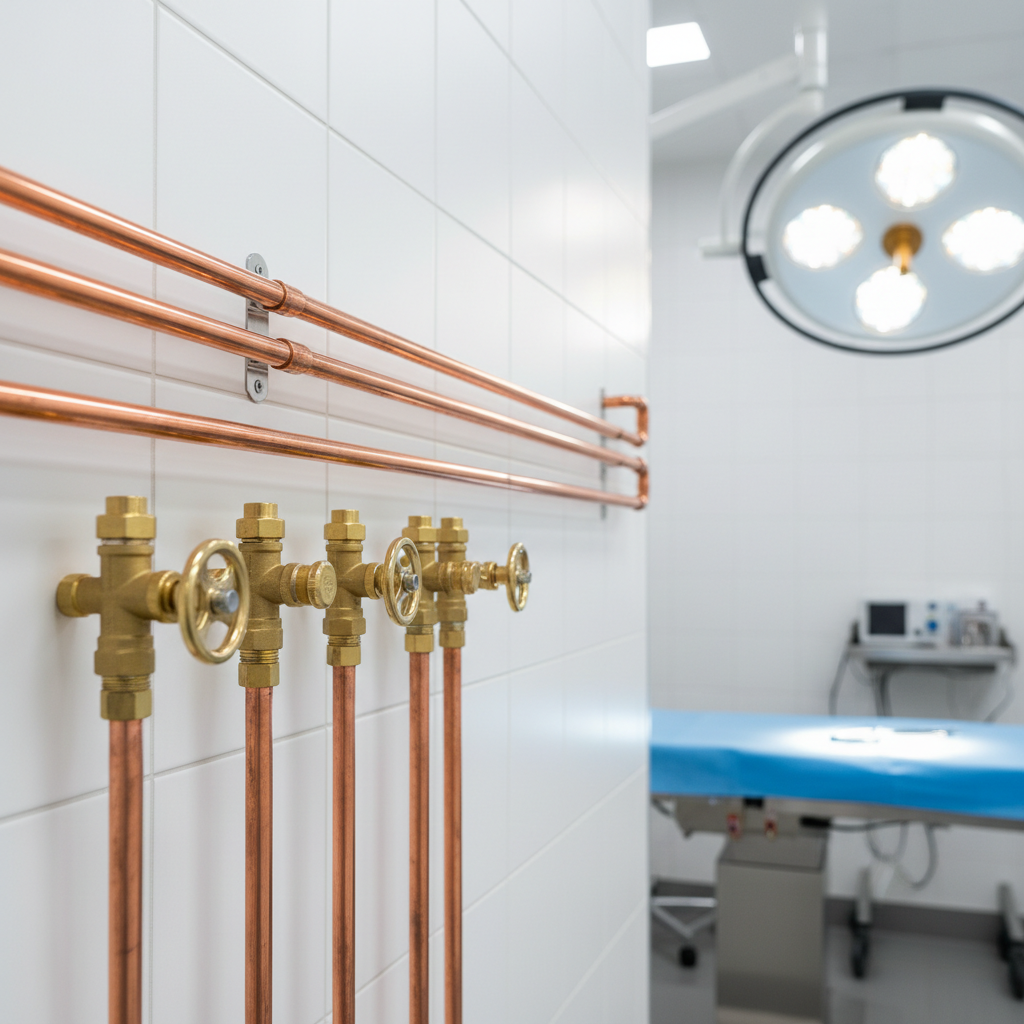
    • Piping: All distribution piping must be medical-grade, seamless copper (Type K or L), cleaned for oxygen service, and installed using a brazing process with a continuous nitrogen purge.
    • Valves: Zone valves must be installed to isolate specific areas (e.g., surgical suites, dental areas) in case of an emergency or for maintenance, without shutting down the entire facility.
    • Alarms: A central master alarm system is required to monitor the status and pressure of all medical gas sources. Area alarms are needed for critical care locations.
    • Verification: Before any new or modified system is put into service, it must be thoroughly tested and verified by an ASSE 6030 Certified Medical Gas Verifier. This process, which we at Medical Testing Solutions perform, confirms correct gas concentration, pressure, and system integrity.

    Designing Your Roanoke Veterinary Gas System: A Step-by-Step Overview

    A successful installation begins with a meticulous design phase. The process generally follows these steps:

    1. Needs Assessment: Determine the number of locations requiring gas services (operating rooms, treatment tables, dental stations), the types of gases needed at each, and the anticipated caseload.
    2. Source Equipment Sizing: Size the oxygen supply (number of cylinders in the manifold) and vacuum pump based on the peak demand of the facility. Undersizing is a common and critical mistake.
    3. Pipeline Distribution Planning: Map the most efficient and code-compliant route for copper piping from the source equipment to the terminal outlets. This includes planning for zone valve box locations.
    4. Outlet and Terminal Unit Selection: Choose the appropriate gas-specific outlets (e.g., DISS, Chemetron) for each location.

    Our team has extensive experience designing systems for veterinary facilities of all sizes, from small clinics to large animal hospitals in the Roanoke area.

    Medical Gas System Components: A Comparison

    Choosing the right equipment is critical for a reliable system. Here’s a comparison of common source equipment types:

    ComponentSmall Clinic OptionLarge Hospital OptionKey NFPA 99 Consideration
    Oxygen SupplyHigh-Pressure Cylinder Manifold (e.g., 2x2 cylinders)Bulk Liquid Oxygen (Micro-bulk or Bulk Tank)Must have a reserve supply and changeover alarm. Manifold must be secured.
    Vacuum SourceSimplex Oil-less Rotary Vane PumpDuplex or Triplex Liquid Ring or Claw PumpMust be a dedicated medical vacuum pump. Exhaust must be vented outside, away from intakes.
    WAGD SourceDedicated WAGD ProducerOften tied into a high-flow medical vacuum pumpExhaust must be separate from medical vacuum exhaust and located at least 25 feet from any door, window, or air intake.

    The Installation Process: What to Expect

    An ASSE 6010 Certified Medical Gas Installer must perform the physical installation. Here’s what the process involves:

    • Piping Installation: All joints are brazed with a continuous flow of inert nitrogen gas to prevent the formation of carbonaceous deposits inside the pipe, which could otherwise pose a fire hazard and contaminate the gas stream.
    • Component Mounting: Securely mounting source equipment (manifolds, pumps), alarm panels, and valve boxes.
    • Outlet Installation: Installing and connecting the terminal outlets in patient care locations.

    This is a specialized trade. Using a general plumber is a violation of NFPA 99 and can lead to catastrophic failure. After the physical install, a full medical gas verification is required before the system can be used.

    Post-Installation: Verification and Maintenance

    Once the installer's work is done, the system CANNOT be used until it is certified.

    ASSE 6030 Verification: A third-party verifier like Medical Testing Solutions will perform a battery of tests:

    • Initial piping pressure tests to check for leaks.
    • Cross-connection tests to ensure gas flows only to the correct outlets.
    • Purity tests to confirm gas identity and concentration (e.g., Oxygen > 99%).
    • Alarm and valve functionality tests.

    Ongoing Maintenance: Regular maintenance is essential for long-term reliability and safety. We strongly recommend a program of annual medical gas inspections to check pressures, test alarms, and ensure continued compliance.

    Frequently Asked Questions

    No. NFPA 99 requires that all medical gas and vacuum systems be installed by individuals certified to the ASSE 6010 standard. Using an uncertified installer is a code violation and a significant safety risk.

    A medical vacuum system is used for aspiration and fluid removal during procedures. A WAGD (Waste Anesthetic Gas Disposal) system is specifically designed to safely capture and remove waste anesthetic gases from the room, protecting staff from exposure.

    After the initial ASSE 6030 verification, we recommend a comprehensive inspection by an ASSE 6040 certified technician at least annually. This preventative maintenance ensures the ongoing safety, reliability, and compliance of your system.

    Yes. While the scale of your system may be smaller, the safety principles and fundamental requirements of NFPA 99 apply to any facility using medical gases for patient care to ensure a safe environment for both patients and staff.

    This article is provided for educational purposes and reflects industry standards as of publication. Always verify against current NFPA 99, CGA, and AHJ requirements. Medical Testing Solutions is ASSE-certified and ready to help — contact us for facility-specific guidance.

    Request a quote for your facility

    Talk with Medical Testing Solutions about your next inspection, repair or equipment request.

    Get a quote in 1 business day

    I agree to receive text messages from Medical Testing Solutions, L.L.C. at the phone number provided, including informational and marketing messages. Consent is not a condition of purchase. Message frequency varies. Message & data rates may apply. Reply STOP to opt out or HELP for help. See our Privacy Policy and Messaging Terms.

    Prefer to talk? Call (754) 315-1078

    Related articles