Veterinary surgical and procedural suites rely on a complex network of medical gases to ensure patient safety and positive outcomes. From oxygen (O2) for life support to nitrous oxide (N2O) for analgesia and sophisticated vacuum and waste gas scavenging systems, each component must be designed and installed with precision. For veterinary practices in Richmond, VA, a properly executed medical gas installation is not just a matter of operational efficiency, it's a critical requirement for staff safety, patient welfare, and regulatory compliance. This guide will walk you through the essential considerations for veterinary medical gas installation, from system design and component selection to the crucial final verification, ensuring your facility meets the stringent standards set by the National Fire Protection Association (NFPA) and the American Veterinary Medical Association (AVMA).
Veterinary Medical Gas Installation in Richmond, VA: A Complete Guide
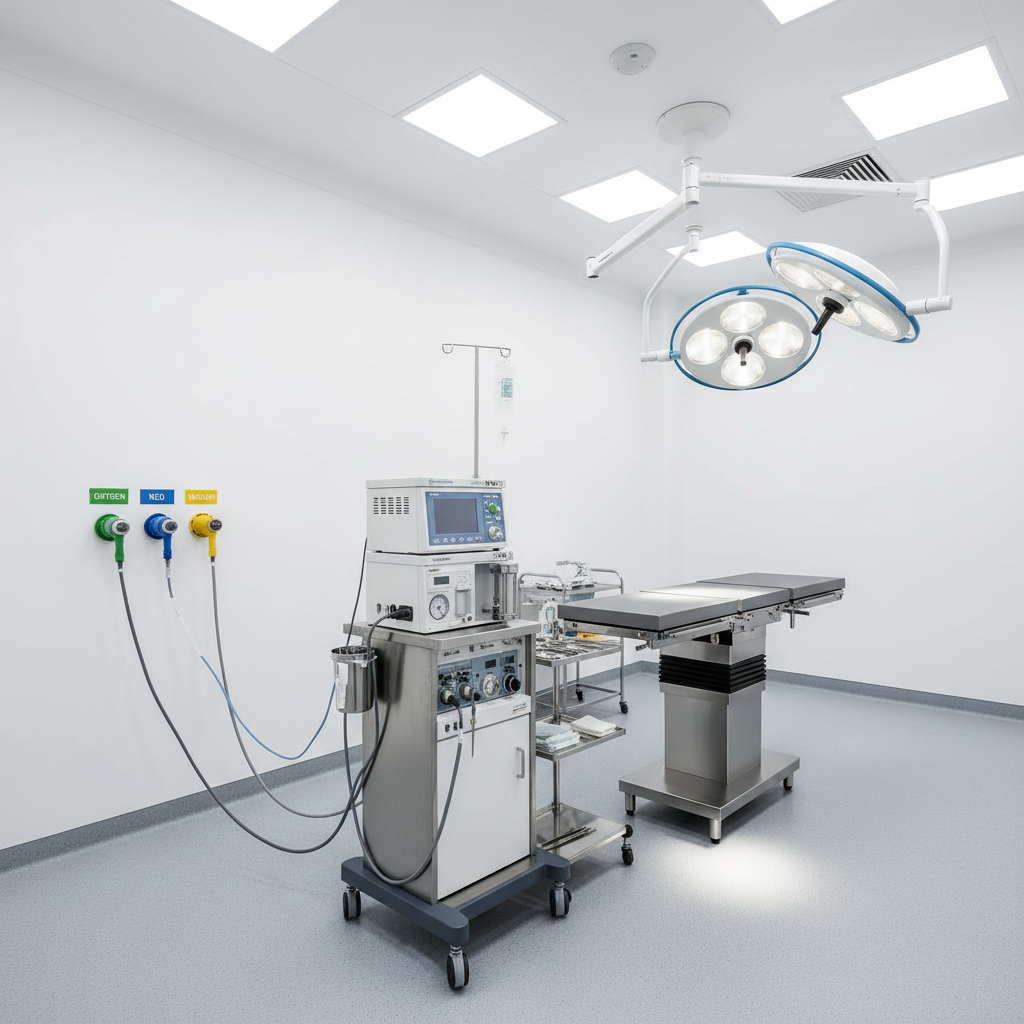
Understanding the Core Components of a Veterinary Gas System
A compliant veterinary medical gas system is more than just pipes and outlets. It's an integrated network comprising source equipment, a distribution network, and delivery points, all governed by strict safety codes. Understanding these components is the first step toward a successful installation.
Source Equipment: The Heart of Your System
- Oxygen (O2): The most common source is high-pressure cylinders manifolded together. For larger facilities, a bulk liquid oxygen tank may be feasible.
- Nitrous Oxide (N2O): Typically supplied via high-pressure cylinders, often in a manifold configuration similar to oxygen.
- Medical Vacuum: Dedicated vacuum pumps (duplexed for redundancy) create the necessary suction for surgical procedures and waste gas removal. These are distinct from general-purpose industrial vacuums.
- Waste Anesthetic Gas Disposal (WAGD): A critical safety component, the WAGD or scavenging system actively removes exhaled anesthetic gases from the surgical environment, protecting your staff from chronic exposure.
Distribution Network: The Arteries
This is the network of copper piping that transports the gases from the source to the point of use. All piping must be medical-grade, cleaned for oxygen service, and installed by certified professionals. The design must ensure proper pressure and flow rates to all locations. For new builds or major renovations, this work must be performed by an ASSE 6010 certified installer.
Terminal Units: The Point of Use
These are the outlets in your surgical suites and treatment areas where equipment is connected. They are gas-specific, using a unique pin-indexing system (e.g., DISS - Diameter Index Safety System) to prevent accidental cross-connection of gases. Choosing the right number and location of outlets is a key part of the design phase.
NFPA 99: The Code of Record for Veterinary Facilities
While often associated with human hospitals, NFPA 99, Health Care Facilities Code, is the primary standard governing medical gas systems in veterinary clinics. The AVMA Guidelines for Anesthesia specifically defer to NFPA 99 for the installation and operation of these systems.
Key NFPA 99 Requirements for Vets:
- System Type: Veterinary facilities typically fall under Category 2 or 3 systems, which have slightly different requirements than a Category 1 human hospital, but the core safety principles for piping, alarms, and verification remain.
- Piping: All piping must be Type K or L medical-grade copper, brazed with a nitrogen purge by an ASSE 6010 Certified technician.
- Alarms: Master and area alarm panels are required to provide immediate audible and visual warnings of pressure drops, source changeover, or other system faults.
- Verification: Before any system is used on a patient, it must be thoroughly tested by an independent, ASSE 6030 Certified verifier. This is a non-negotiable final step to ensure safety and compliance.
Why this matters for compliance: Failure to adhere to NFPA 99 can result in significant safety risks, including fire hazards, patient harm from improper gas delivery, and potential liability. State and local authorities in Richmond, VA, reference NFPA codes for building and safety inspections.
The Installation Process: From Design to Certification
A successful veterinary medical gas installation follows a structured, multi-stage process managed by certified professionals. Medical Testing Solutions provides a turnkey approach, handling every step from initial consultation to final sign-off.
- Design and Engineering: Our team works with your architects and builders to design a system tailored to your practice's specific needs, ensuring compliance with NFPA 99 and AVMA guidelines.
- Piping Installation: Our ASSE 6010 Certified installers run the medical-grade copper piping, ensuring all joints are properly brazed with a nitrogen purge to prevent internal oxidation.
- Source Equipment & Alarms: Manifolds, vacuum pumps, and alarm panels are installed and connected to the distribution network.
- Initial Testing: The installing contractor performs initial pressure tests and other checks to ensure the system is ready for final verification.
- Third-Party Verification (ASSE 6030): This is the most critical phase. An independent ASSE 6030 Certified verifier, like the experts at Medical Testing Solutions, performs a battery of tests to confirm system integrity. This includes:
- Particulate testing to ensure the piping is clean.
- Purity testing to confirm 100% gas identity at each outlet.
- Cross-connection testing to guarantee no gases have been mixed.
- Alarm and valve testing to ensure all safety features function correctly.
Once the system passes verification, a formal report is issued, and the system is certified for patient use. Learn more about the importance of medical gas verification.
Comparing System Components and Code Requirements
| Feature | Oxygen (O2) | Nitrous Oxide (N2O) | Medical Vacuum | WAGD/Scavenging |
|---|---|---|---|---|
| Source | Cylinders or Bulk Tank | Cylinders | Dedicated Pumps | Dedicated Pumps or Venturi |
| Piping | Copper (Type K/L) | Copper (Type K/L) | Copper (Type K/L) | Copper or PVC (Varies) |
| Key NFPA 99 Ref | Chapter 5 | Chapter 5 | Chapter 5 | Chapter 5 |
| Outlet Type | DISS (O2 Specific) | DISS (N2O Specific) | DISS (VAC Specific) | Varies by producer |
| Primary Risk | Fire/Explosion Hazard | Sedation, Asphyxiation | Inadequate Suction | Staff Exposure, Infertility |
Maintaining Your System for Long-Term Safety
Installation is just the beginning. Regular maintenance and inspection are essential for ensuring your system remains compliant and safe for the life of your practice. An annual inspection by a certified technician is recommended to check for leaks, verify pressures, and test alarm functionality.
Medical Testing Solutions offers comprehensive annual medical gas inspections to keep your Richmond facility in top condition, providing peace of mind and a documented record of compliance.
Get a Compliant Installation for Your Richmond Practice
Ensuring your veterinary clinic's medical gas system is correctly designed, installed, and certified is one of the most important investments you can make in patient and staff safety. From complete installations in new construction to modifying existing systems, the ASSE-certified team at Medical Testing Solutions has the expertise to deliver a compliant, reliable system for your Richmond, VA practice.
Don't leave safety to chance. Contact us today for a consultation and a no-obligation quote. Call us at +1 (754) 315-1078 or request a quote online to get started.
Frequently Asked Questions
Request a quote for your facility
Talk with Medical Testing Solutions about your next inspection, repair or equipment request.