For veterinary practices in Orlando, Florida, a properly installed and certified medical gas system is not just a utility, it's the lifeblood of the surgical suite. It ensures patient safety, enables modern anesthesia, and is a mandatory component of regulatory compliance. An improper installation can lead to catastrophic failures, putting animal patients at risk and exposing your clinic to significant legal and financial liability. This guide provides a definitive overview of veterinary medical gas installation, covering everything from the essential gas systems required by the American Veterinary Medical Association (AVMA) and NFPA to the specific compliance landscape here in Florida. You will learn about the components, the installation process, and how choosing a local, certified expert can protect your practice, your patients, and your bottom line.
Veterinary Medical Gas Installation in Orlando, FL: A Complete Guide
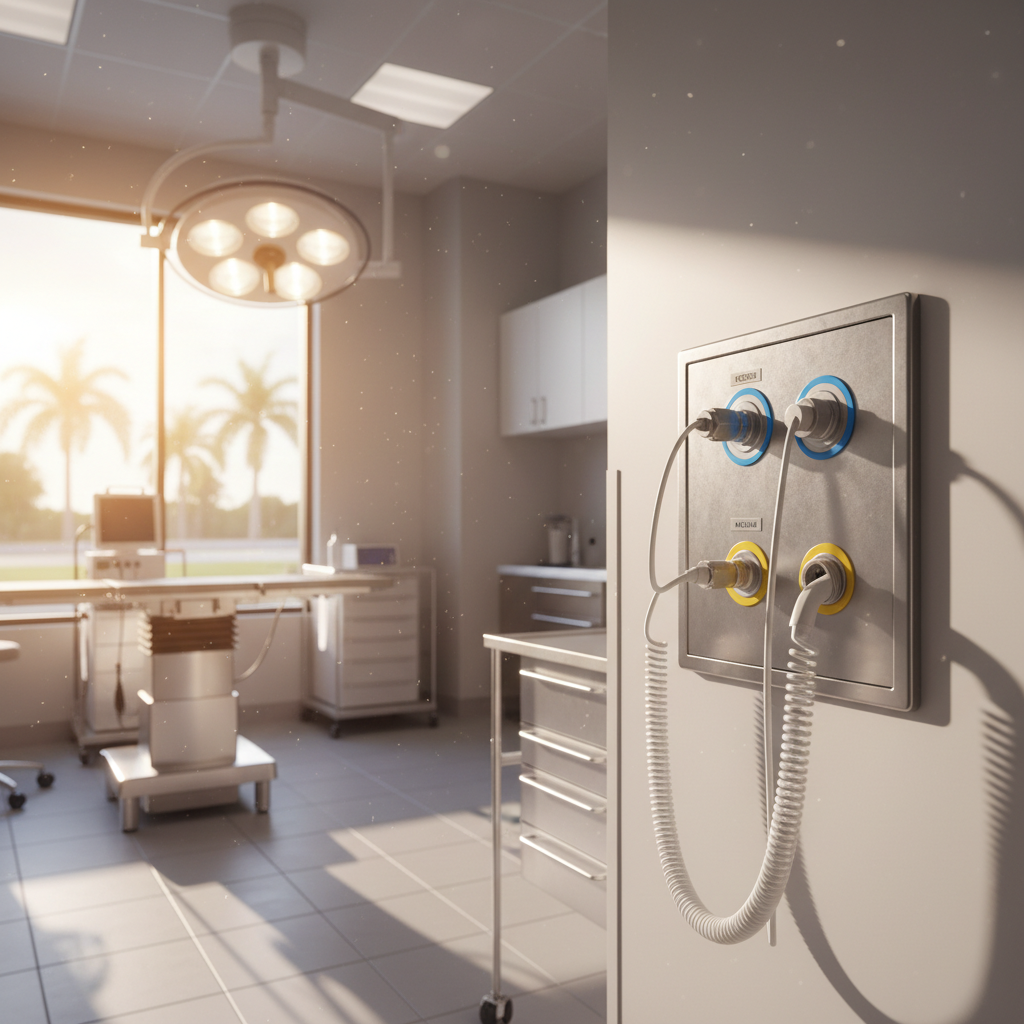
Why NFPA 99 Compliance is Non-Negotiable for Florida Veterinary Clinics
While human hospitals have long been held to stringent standards, the veterinary field is increasingly adopting these best practices for medical gas systems. The National Fire Protection Association (NFPA) 99, "Health Care Facilities Code," is the primary standard governing these systems. An NFPA 99-compliant system is essential for:
- Patient Safety: Guarantees gas identity, purity, and proper pressure, preventing tragic accidents during procedures.
- Staff Safety: Ensures proper scavenging of waste anesthetic gas (WAG), protecting your team from long-term exposure risks.
- Regulatory Adherence: Meets the requirements of accrediting bodies like the American Animal Hospital Association (AAHA) and satisfies state and local codes.
Why this matters for compliance: In Florida, facilities are often surveyed by entities like The Joint Commission (TJC) or the Agency for Health Care Administration (AHCA). While veterinary clinics may not fall under AHCA's hospital jurisdiction, their standards, including Form 3110 and Chapter 59A of the Florida Administrative Code, represent the state's benchmark for medical gas safety. Adhering to NFPA 99 is the surest way to meet and exceed these expectations.
Essential Gas Systems for Veterinary Surgical Suites
A typical veterinary surgical and treatment area requires several piped gas systems to function safely and effectively.
Oxygen (O2)
The most critical life-support gas, used for resuscitation and as the carrier gas for inhaled anesthetics. Systems can range from high-pressure cylinders at a manifold to bulk liquid oxygen tanks for larger facilities like animal hospitals at UF Health or specialty referral centers.
Nitrous Oxide (N2O)
Used as an adjunctive analgesic and anesthetic agent. Like oxygen, it is typically supplied via a manifold of high-pressure cylinders.
Medical Vacuum
Essential for aspiration during surgery and for waste anesthetic gas disposal (WAGD) systems. A dedicated medical vacuum pump, compliant with NFPA 99, is required; this is not the same as a general-purpose or industrial vacuum.
Waste Anesthetic Gas Disposal (WAGD)
Also known as scavenging, WAGD is a critical safety system that actively removes exhaled anesthetic gases from the operating room, protecting veterinary staff from the health risks of chronic exposure. Proper WAG monitoring is a key part of an ongoing safety program.
The ASSE 6010 Installation Process: What to Expect
A compliant installation is far more than just running copper pipe. It's a multi-stage process performed by an ASSE 6010 certified installer to ensure every connection, from the source to the patient, is perfect.
- System Design & Planning: Sizing the system based on the number of terminals, types of procedures, and future expansion plans.
- Pipe Installation: Using only certified, medical-grade copper tubing (ASTM B819) and brazing with nitrogen purging to prevent oxidation inside the lines.
- Source Equipment Installation: Setting up manifolds, alarms, and vacuum/air pumps.
- Terminal & Alarm Placement: Installing wall outlets, ceiling drops, and local alarm panels in strategic locations.
- Initial Verification: The ASSE 6010 installer performs initial pressure tests and blow-downs.
- Final Verification: An independent, ASSE 6030 certified verifier (like the team at Medical Testing Solutions) performs a battery of tests to confirm pressure, flow, purity, and cross-connection, issuing a final report for your records. This is a critical step for medical gas verification.
Choosing the Right Installer in the Orlando Area
Not all pipefitters are qualified to install medical gas systems. The stakes are too high to entrust to anyone but a certified professional.
The MTS Advantage: Local Florida Expertise & Cost Savings
Medical Testing Solutions (MTS) is a premier ASSE-certified medical gas service and equipment company headquartered right here in Florida at 501 E Las Olas Blvd, Ste 300, Fort Lauderdale, FL 33301. Our local presence provides a decisive advantage for veterinary clinics across the state, from Orlando to Miami.
Because our teams are based in-state, we charge NO travel fees, NO lodging costs, and NO per-diem for projects anywhere in Florida. For a full medical gas installation project, this typically saves our clients 10–25% compared to out-of-state competitors. Our deep familiarity with the Florida regulatory landscape, including cities like Orlando, ensures your project is done right the first time, satisfying all local and state requirements. As a Florida-based company, we are proud to serve leading hospital systems like AdventHealth and Baptist Health.
| Feature | Medical Testing Solutions (Local) | Out-of-State Competitors |
|---|---|---|
| Travel Fees | $0 | Often $1,000+ |
| Lodging/Per-Diem | $0 | Charged Daily |
| Mobilization Time | Same-Day/Next-Day | Days or Weeks |
| FL Code Familiarity | Expert (AHCA, NFPA) | General Knowledge |
| Overall Cost | 10-25% Lower | Higher |
Florida-Specific Compliance: AHCA, Hurricanes, and More
Operating a veterinary practice in Florida comes with unique challenges and requirements.
Hurricane Preparedness: Post-Storm Re-verification
NFPA 99 section 5.1.12 mandates that your medical gas system must be re-verified by an ASSE 6030 verifier after any significant event, including a loss of pressure in the source lines or potential system damage from a hurricane. Our South Florida crews can mobilize quickly across the state after a storm passes to perform this critical re-verification, ensuring you can safely reopen and care for animals in need. Don't wait weeks for an out-of-state team. Check out our full range of Florida services.
Annual Testing and Maintenance for Your Vet Clinic
Installation is just the beginning. The Joint Commission and NFPA 99 require regular system testing and maintenance. This includes annual checks of all alarms, outlets, and source equipment to ensure continued safe operation. MTS provides comprehensive annual medical gas inspections and maintenance for all your veterinary anesthesia equipment to ensure you remain compliant and ready for any inspection, year after year.
Get a Compliant Installation for Your Orlando Clinic
Don't leave the safety of your patients and staff to chance. Partner with a local Florida expert who understands the nuances of veterinary medical gas systems and state-specific regulations. The team at Medical Testing Solutions is ready to provide a comprehensive, code-compliant, and cost-effective installation for your Orlando-area practice.
Call our Fort Lauderdale office today at +1 (754) 315-1078 to discuss your project, or request a free quote online. '''
Frequently Asked Questions
Request a quote for your facility
Talk with Medical Testing Solutions about your next inspection, repair or equipment request.