Veterinary Medical Gas Installation in Louisville, KY: A Comprehensive Guide for Clinic Owners and Managers
As a veterinary professional, the safety of your patients and staff is paramount. When it comes to surgical procedures, the reliability of your medical gas systems is a critical, non-negotiable component of that safety. This guide provides a definitive overview of veterinary medical gas installation for practices in Louisville, KY. We will explore the essential systems, governing codes, installation process, and verification requirements to ensure your clinic operates safely and efficiently, in full compliance with national standards.
Understanding the Core Components of a Veterinary Medical Gas System
A properly installed veterinary medical gas system is a network of pipes, outlets, and source equipment designed to deliver life-sustaining and procedure-critical gases to your treatment and operating rooms. The most common systems include:
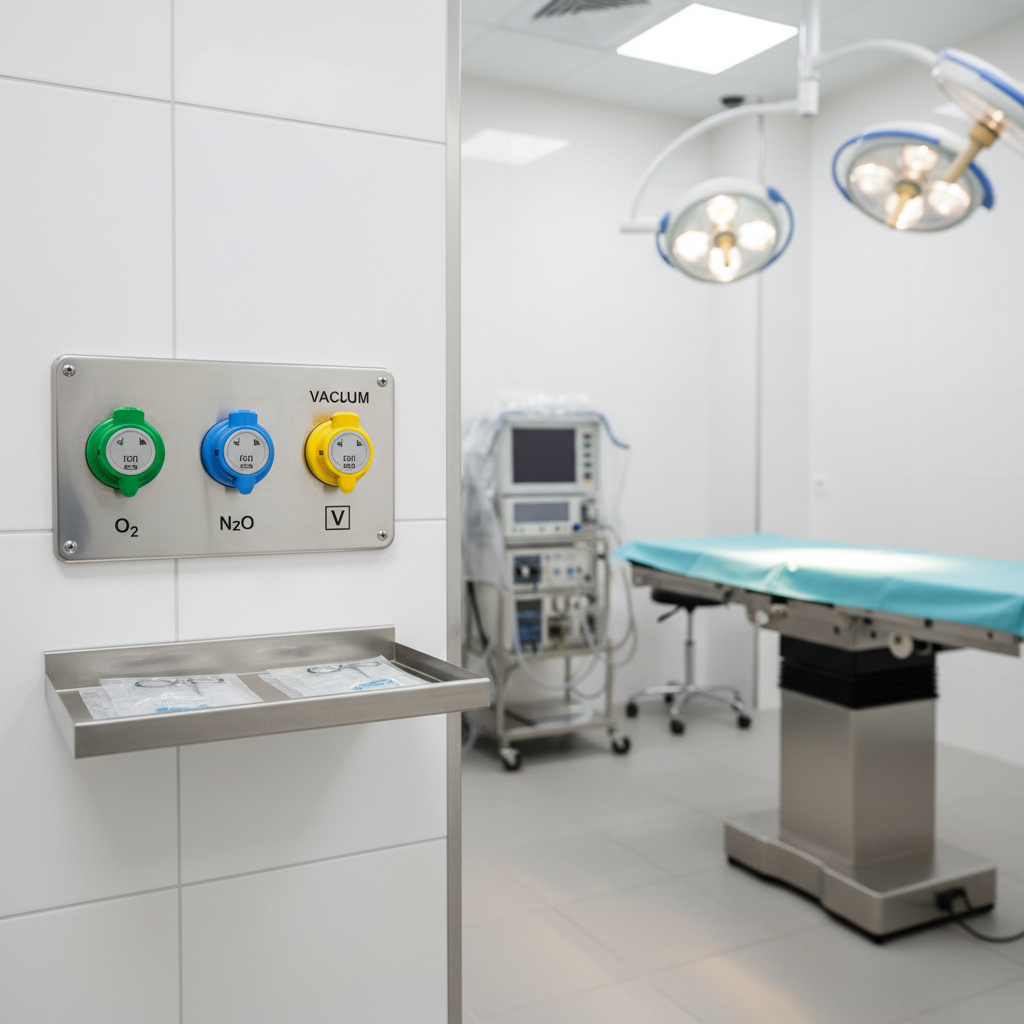
- Oxygen (O2): The most critical medical gas, used for patient respiration during anesthesia and for emergency resuscitation.
- Nitrous Oxide (N2O): A common anesthetic and analgesic agent used in conjunction with oxygen.
- Medical Vacuum: Used to remove fluids and debris from the surgical site and for suctioning patients.
- Waste Anesthetic Gas Disposal (WAGD) / Scavenging: A crucial system that actively removes exhaled anesthetic gases from the operating room, protecting your staff from long-term exposure risks.
These systems are not independent; they are integrated networks that must be designed and installed by certified professionals to ensure they function correctly and safely. For Kentucky-based veterinary practices, understanding these systems is the first step towards a compliant facility.
Navigating the Regulatory Landscape: NFPA 99 and AVMA Guidelines
Medical gas systems are heavily regulated to prevent catastrophic failures. The primary standard governing their installation and use is the National Fire Protection Association (NFPA) 99, Health Care Facilities Code. While many associate it with human hospitals, its guidelines are the accepted standard for veterinary facilities as well.
Key NFPA 99 requirements for veterinary gas systems include:
- Piping: All piping must be medical-grade, seamless copper (Type K or L), cleaned for oxygen service, and clearly labeled.
- Source Equipment: Manifolds and tanks must be secured in a dedicated, well-ventilated room with no flammable materials.
- Alarms: Master and area alarm panels are required to provide immediate notification of pressure drops, high pressure, or other system failures.
- Valves: Zone valves must be installed to allow individual areas of the clinic to be isolated for maintenance or in an emergency without shutting down the entire system.
Why this matters for compliance: The American Veterinary Medical Association (AVMA) Guidelines for the Euthanasia of Animals, and Guidelines for Anesthetic Monitoring, defer to NFPA 99 as the standard for safe installation and operation of gas delivery systems. Adherence is not just a best practice; it's a core component of professional standards of care.
The Installation Process: From Design to Verification
A compliant veterinary medical gas installation follows a strict, multi-stage process performed by certified technicians. At Medical Testing Solutions, our ASSE 6010 Certified installers follow a proven methodology.
Step 1: System Design and Planning
Before any pipes are run, a detailed plan is created. This involves:
- Assessing your clinic's current and future needs (number of ORs, types of procedures).
- Determining the optimal location for source equipment and routing for pipelines.
- Creating isometric drawings that map out the entire system for approval.
Step 2: Installation and Brazing
This is the core construction phase where certified installers run the medical-grade copper piping. All joints are brazed, a high-temperature soldering process, and a continuous nitrogen purge is maintained within the pipes during brazing to prevent oxidation, which could otherwise introduce contaminants into the system.
Step 3: Initial Verification and Testing
Once the piping is installed, it undergoes initial pressure testing to check for leaks. This is a critical step before walls and ceilings are closed up.
Step 4: Final Verification by an ASSE 6030 Verifier
The most critical phase is the final verification, performed by a third-party ASSE 6030 Certified Medical Gas Verifier. This is not optional. The verifier confirms that the system was installed correctly, is safe for patient use, and meets all NFPA 99 requirements. The verification process includes:
- Checking for cross-connections
- Verifying gas purity and concentration
- Testing all alarm systems
- Confirming correct flow and pressure at each outlet
Only after a successful medical gas verification can the system be put into service. Medical Testing Solutions provides both ASSE 6010 installation and ASSE 6030 verification services across the Louisville area.
Common System Configurations and Considerations
| System Type | Source Equipment | Key Considerations | Typical Pressure |
|---|---|---|---|
| Oxygen | High-pressure cylinders (H or K tanks) in a manifold system. | Must have a primary and secondary bank for continuous supply. | 50-55 psi |
| Nitrous Oxide | High-pressure cylinders in a manifold system. | Often used in dental and specialty surgery. Requires proper scavenging. | 50-55 psi |
| Medical Vacuum | Vacuum pump(s) and a receiver tank. | Must be a duplex system for redundancy. Sizing depends on number of outlets. | 15-19" Hg |
| WAGD | Dedicated scavenging fan or pump. | Must be vented directly to the outside. Cannot be combined with the medical vacuum system. | N/A |
Choosing the Right Partner for Your Louisville Practice
When selecting a company for your veterinary medical gas installation in Louisville, KY, expertise and certification are non-negotiable. Look for a partner that:
- Employs ASSE 6010 Certified installers and ASSE 6030 Certified verifiers.
- Has specific experience with veterinary clinics.
- Provides a comprehensive quote that includes all parts, labor, and final verification.
- Can offer ongoing annual medical gas inspections and maintenance services.
Medical Testing Solutions meets all these criteria, serving as a single source for design, installation, and long-term maintenance of your facility's most critical life-support systems. We have extensive experience helping veterinary practices across Kentucky ensure their facilities are safe and compliant.