Properly installed medical gas systems are a critical life-support component in any modern veterinary surgical suite. For clinics in Lexington, Kentucky, ensuring these systems are safe, efficient, and compliant with national standards is not just a matter of best practice, it's a requirement for patient and staff safety. This guide provides a definitive overview of the process, standards, and components involved in veterinary medical gas installation. You will learn the specific requirements for oxygen, nitrous oxide, vacuum, and scavenging systems, the importance of ASSE 6010 certification, and how to ensure your facility meets rigorous NFPA 99 standards.
Medical Gas Service
Compliance & Standards
Veterinary
Veterinary Medical Gas Installation in Lexington, KY: A Complete Guide
Medical Testing SolutionsAugust 21, 20266 min read
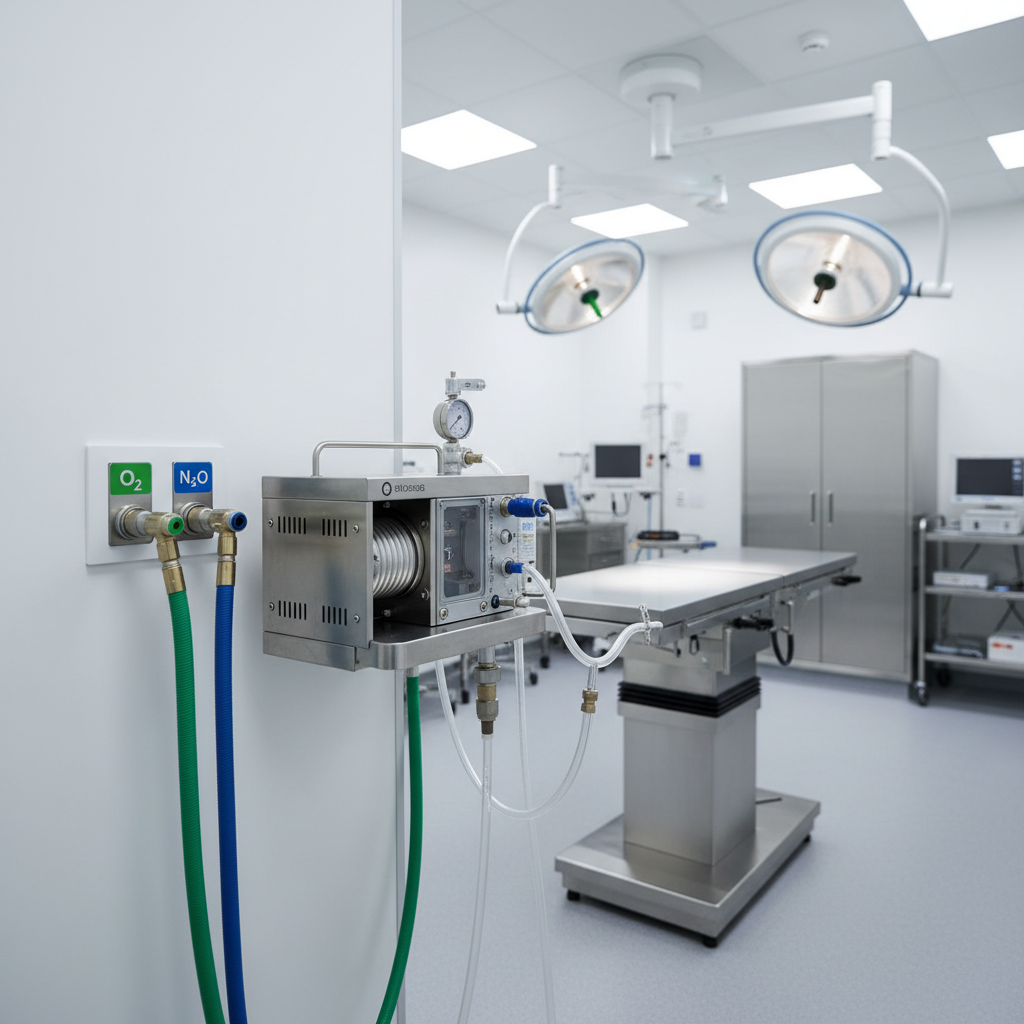
Understanding the Core Components of a Veterinary Gas System
A veterinary medical gas system is a complex network of pipes, regulators, and outlets designed to deliver specific gases from a central source to points of use, like operating rooms and recovery areas. The primary components include:
- Source Equipment: This is the heart of the system. It consists of high-pressure cylinders (for O2 and N2O), a vacuum pump, and a WAGD (Waste Anesthetic Gas Disposal) or scavenging system outlet.
- Manifold: A manifold automatically switches from the primary cylinder bank to a secondary bank when pressure drops, ensuring an uninterrupted gas supply.
- Piping Network: Typically made of medical-grade copper (Type L or K), these pipes transport the gases from the source to the outlets.
- Alarms: Master and area alarms are crucial for monitoring system pressure and alerting staff to potential issues, as required by NFPA 99.
- Zone Valves: These allow specific areas of the clinic to be isolated for maintenance or in an emergency without shutting down the entire system.
- Outlets/Terminals: These are the points in the surgical and treatment rooms where anesthetic machines and other equipment connect to the gas supply. They are gas-specific to prevent cross-connection.
At Medical Testing Solutions, we specialize in designing and installing systems that are perfectly scaled for the unique needs of veterinary practices, from single-vet clinics to large animal hospitals.
NFPA 99: The Cornerstone of Medical Gas Safety
The National Fire Protection Association's NFPA 99, "Health Care Facilities Code," is the primary standard governing medical gas systems in the United States. While originally written for human hospitals, its principles are the accepted standard for veterinary facilities to ensure safety.
Key NFPA 99 Requirements for Veterinary Clinics:
- System Categorization: The code requires a risk-based assessment. Most veterinary surgical applications fall under Category 1 or 2, demanding the highest level of safety and reliability.
- Piping and Components: All piping must be rigid, seamless copper tubing (ACR/Med), brazed by a certified ASSE 6010 installer. Brazing with a continuous nitrogen purge is mandatory to prevent internal oxidation, which could otherwise introduce dangerous particulates into the gas stream.
- System Verification: Before any system is put into service, it must be rigorously tested and verified by an ASSE 6030 Certified Verifier. This is a non-negotiable step to confirm purity, pressure, flow, and the absence of cross-connections. Learn more about medical gas verification.
- Warning and Alarm Systems: The code specifies requirements for master alarms (at the source) and area alarms (in critical care locations) to provide immediate alerts for abnormal pressure conditions.
Why this matters for compliance: Adhering to NFPA 99 is the gold standard for protecting your patients and staff from fire, cross-contamination, and system failures. Non-compliance can jeopardize accreditation, invite litigation, and pose a significant safety hazard.
The Role of the ASSE 6010 Certified Installer
Experience and certification matter profoundly in medical gas installation. An ASSE 6010 Certified Medical Gas Systems Installer has undergone extensive training and passed a rigorous examination on the specifics of the NFPA 99 code.
Why Hire an ASSE 6010 Certified Professional?
- Code Expertise: They are experts in all aspects of NFPA 99, from pipe sizing and joint brazing to alarm placement and source equipment requirements.
- Proper Technique: They are trained to perform the critical nitrogen purge during brazing, preventing the formation of harmful copper oxides inside the piping.
- Reduced Risk: Using a certified installer minimizes the risk of catastrophic failures, leaks, or contamination that could lead to patient harm or costly repairs.
- Verification Guarantee: A properly installed system is far more likely to pass the final ASSE 6030 verification without issue, preventing delays in opening or using your new facility. Medical Testing Solutions provides a team of ASSE 6010 certified installers to ensure your Lexington project is done right the first time.
Oxygen, Nitrous Oxide, and Vacuum Systems: A Comparison
While all part of the integrated system, the requirements for each gas service differ slightly.
| Feature | Oxygen (O2) | Nitrous Oxide (N2O) | Medical Vacuum | WAGD / Scavenging |
|---|---|---|---|---|
| Source | High-pressure cylinders or bulk tank | High-pressure cylinders | Dedicated vacuum pump(s) | Dedicated producer or venturi system |
| Pipe Material | Seamless Copper (Type K/L) | Seamless Copper (Type K/L) | Seamless Copper (Type K/L) | Seamless Copper (Type K/L) or other approved material |
| Primary Risk | Fire/Explosion Hazard | Sedative, Asphyxiant | Contamination, Inadequate Suction | Staff Exposure, Anesthetic Pollution |
| Outlet Color (US) | Green | Blue | White | Purple |
The Installation Process: A Step-by-Step Overview
A typical veterinary medical gas installation project in Lexington, KY, follows a structured sequence:
- Design and Planning: An expert from Medical Testing Solutions works with your architect and builder to design a system that meets your clinical needs and all code requirements.
- Rough-In: The copper piping network is installed within the walls and ceilings before drywall is put up. This is a critical phase where all joints are brazed with a nitrogen purge.
- Initial Testing: Before the walls are closed, the installer performs an initial pressure test to check for any leaks in the piping network.
- Source Equipment and Alarm Installation: Manifolds, pumps, and master alarm panels are installed in a dedicated, secure, and well-ventilated room.
- Finishing: Outlets, zone valve boxes, and area alarms are installed in the surgical and procedure rooms.
- Final Verification: The crucial last step. An independent, ASSE 6030 Certified Verifier performs a battery of tests to ensure the system is safe and ready for patient use. This includes checking for cross-connections, verifying gas concentration and purity, and confirming all alarms and pressures are correct.
Maintaining Your System Post-Installation
Your responsibility doesn't end once the system is installed. Regular maintenance is essential for continued safety and compliance. An annual medical gas inspection is the best way to ensure your system remains in peak condition. Furthermore, periodic Waste Anesthetic Gas (WAG) monitoring is crucial to protect your staff from the long-term health risks of exposure to trace anesthetic gases.
Your Trusted Partner for Veterinary Gas Systems in Lexington
Ensuring your veterinary clinic's medical gas systems are installed correctly is one of the most important investments you can make in your practice's safety and functionality. The complexities of NFPA code and the precision required for installation demand certified expertise. The team at Medical Testing Solutions has the ASSE-certified experience to design, install, and verify a compliant system tailored to your specific needs.
If you are building a new clinic, renovating an existing one, or need an assessment of your current gas systems in the Lexington, KY area, we are here to help. Contact us today for a comprehensive quote or call us at +1 (754) 315-1078 to speak with a medical gas specialist.
Frequently Asked Questions
For a new construction or major renovation of a small to medium-sized veterinary clinic, the installation process can take anywhere from one to three weeks, depending on the complexity and coordination with other trades. The final verification process adds another day or two.
Leaks are the most common problem, often caused by improper brazing. Particulate contamination from failing to use a nitrogen purge during brazing is another frequent and serious issue that can require extensive and costly cleaning of the entire piping system.
Flexible hoses are only permitted for the final connection from the wall outlet to the anesthesia machine. The permanent piping infrastructure that runs through the walls and ceilings must be rigid, seamless medical copper as per NFPA 99.
Yes. An active Waste Anesthetic Gas Disposal (WAGD) system is essential for protecting your staff from chronic exposure to waste anesthetic gases. This system must be separate from the medical vacuum system to prevent contamination and ensure proper function.
A full system verification is required upon initial installation, modification, or repair. Following that, NFPA 99 recommends a comprehensive inspection and testing schedule. Most clinics opt for an annual inspection to ensure ongoing compliance and safety.
Request a quote for your facility
Talk with Medical Testing Solutions about your next inspection, repair or equipment request.