Properly installed medical gas systems are a critical component of any modern veterinary surgical suite. For clinics in Hilton Head, SC, ensuring these systems are safe, reliable, and compliant isn't just good practice, it's essential for patient safety and regulatory adherence. This guide provides a definitive overview of veterinary medical gas installation, covering system types, design considerations, applicable codes like NFPA 99, and the verification process. You will learn the key steps to designing and implementing a compliant medical gas infrastructure for oxygen, nitrous oxide, medical vacuum, and waste anesthetic gas disposal (WAGD).
Medical Gas Service
Veterinary
Compliance & Standards
Veterinary Medical Gas Installation Hilton Head SC: A Complete Guide
Medical Testing SolutionsAugust 25, 20267 min read
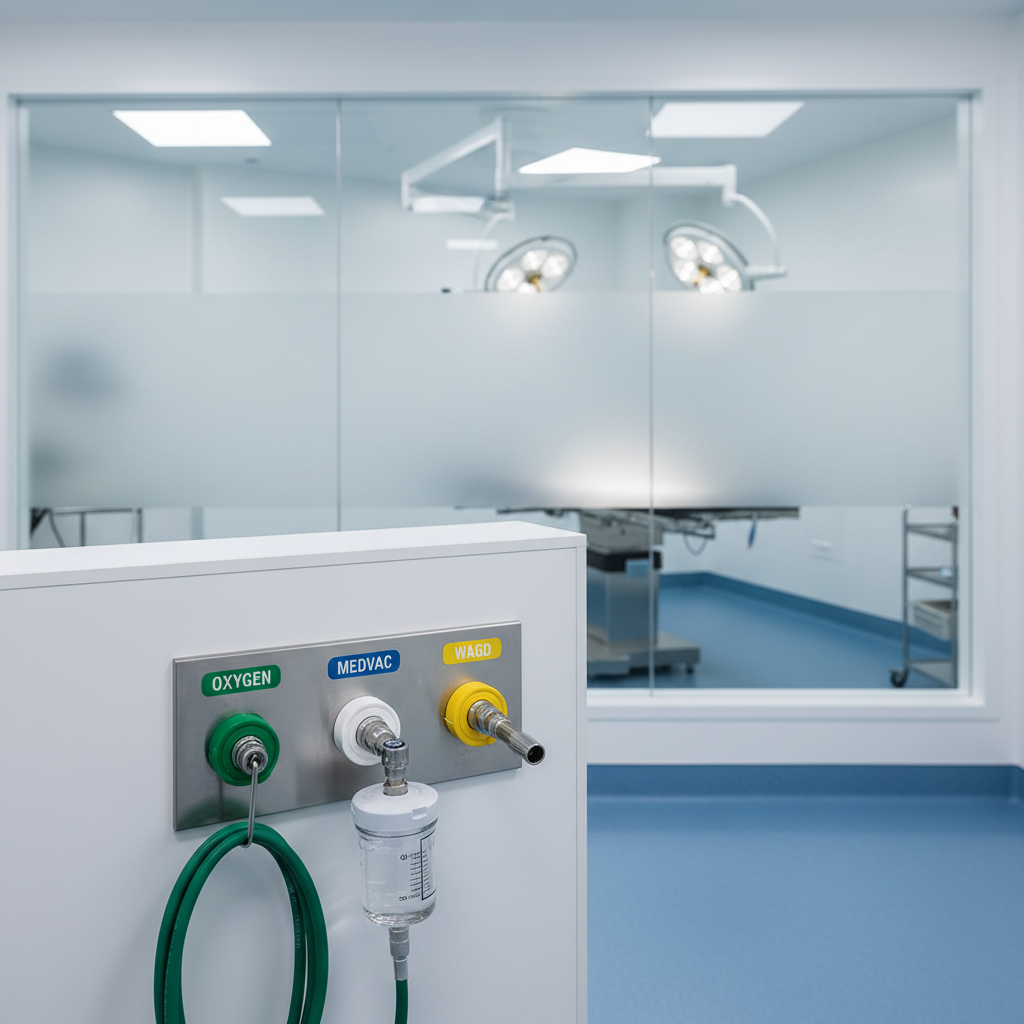
Core Medical Gas Systems for Veterinary Clinics
A typical veterinary hospital requires several types of piped gas systems to support various procedures, from routine dental cleanings to complex surgeries. The primary systems include Oxygen, Nitrous Oxide, Medical Vacuum, and WAGD.
Oxygen (O2)
Oxygen is the most critical medical gas, used for patient resuscitation and as a carrier gas for inhaled anesthetics. Supply sources vary by a clinic's size and consumption rate.
- High-Pressure Cylinders: Most common for small to mid-sized clinics. H-cylinders are typically manifolded together in a designated, secure room.
- Liquid Oxygen (LOX): A bulk storage option for larger hospitals with high consumption. A large, insulated vessel stores oxygen in its liquid state, which is then vaporized into gas before being piped into the facility.
Nitrous Oxide (N2O)
Used as an analgesic and anesthetic agent, particularly in dental procedures. N2O is typically supplied via high-pressure cylinders connected to a manifold system, similar to oxygen.
Medical Vacuum
Medical vacuum systems are essential for suctioning fluids and waste during surgery and for powering certain types of anesthetic scavenging systems. These systems consist of a vacuum pump, a receiver tank, and a network of piping leading to inlets in surgical and treatment areas.
Waste Anesthetic Gas Disposal (WAGD)
A crucial safety system that removes exhaled anesthetic gases from the operating room, protecting staff from chronic exposure. WAGD systems can be active (using a dedicated producer) or passive.
Why this matters for compliance: The Occupational Safety and Health Administration (OSHA) sets permissible exposure limits (PELs) for waste anesthetic gases. A properly designed and maintained WAGD system is your primary defense against exceeding these limits and ensures a safe environment for your technicians and veterinarians. For comprehensive protection, consider regular WAG chemical vapor monitoring.
NFPA 99: The Code for Veterinary Gas Systems
While often associated with human hospitals, the National Fire Protection Association (NFPA) 99, Health Care Facilities Code, is the primary standard governing the installation of medical gas systems in veterinary facilities. The American Veterinary Medical Association (AVMA) defers to NFPA 99 for guidance on piped gas systems.
Key NFPA 99 requirements for veterinary installations include:
- Piping Material: All medical gas piping must be Type K or L seamless copper tubing (ASTM B819), cleaned for oxygen service.
- Brazing: All joints must be brazed, not soldered, using a specific brazing alloy (BCuP series) and purged with oil-free nitrogen during the process to prevent internal oxidation.
- System Alarms: Master and area alarm panels are required to monitor gas pressure and vacuum levels, providing immediate alerts to any deviations from normal operating parameters.
- Shut-off Valves: Zone valves must be installed to isolate specific areas (e.g., an individual operating room) for maintenance or in case of an emergency without shutting down the entire facility.
- Labeling: All piping must be clearly labeled with the gas name and direction of flow at specific intervals and on both sides of walls and partitions.
Designing Your Installation: Key Considerations
Planning a new build or retrofitting an existing space in Hilton Head requires careful design. Partnering with a certified expert like Medical Testing Solutions ensures all factors are considered from the outset.
Sizing and Source Equipment
Your system must be sized based on the number of potential simultaneous use points and the specific gas flow requirements of your anesthetic machines and other equipment. This calculation determines the size of your oxygen manifold, vacuum pump, and pipe diameters.
Location of Source Equipment
The gas source equipment (cylinder manifolds, vacuum pumps) must be located in a dedicated room with adequate ventilation, security, and fire-resistance rating as specified by NFPA 99. This room should not be used for general storage.
Pipeline Routing
Piping should be routed to minimize length and the number of joints. It must be properly supported and protected from physical damage. Routing must be coordinated with other trades like electrical and HVAC to avoid conflicts.
Station Outlets and Inlets
Terminal outlets (for O2, N2O) and inlets (for vacuum, WAGD) must be gas-specific D.I.S.S. (Diameter Index Safety System) connectors to prevent accidental cross-connection. The placement and number of outlets in each room should be based on clinical workflow.
The Installation Process: From Blueprint to Verification
A compliant veterinary gas installation follows a strict, multi-step process performed by certified professionals.
- Initial Design & Consultation: Review of architectural plans and clinical needs.
- Piping Installation: Performed by an ASSE 6010 certified installer. All joints are nitrogen-purged during brazing.
- Initial Piping Tests: Before walls are closed, the system is pressure tested (typically at 150 psi) to check for leaks.
- Standing Pressure Test: After station outlets are installed, a 24-hour standing pressure test is conducted.
- System Verification: This is the final and most critical step before the system is put into service.
Why this matters for compliance: The final verification is a non-negotiable step. NFPA 99 requires that every new or modified medical gas system be fully tested and verified by a party other than the installer. This independent verification ensures objectivity and safety. Medical Testing Solutions provides third-party ASSE 6030 verification services to guarantee your system is safe and code-compliant.
ASSE 6030 Verification: The Final Sign-Off
Before you can connect a single patient, your new system must be certified by an ASSE 6030 Medical Gas Verifier. This is not just a suggestion; it's a requirement. The verifier will perform a series of tests to confirm:
- Gas Purity: Ensuring the gas at the outlet is the correct gas and free of contaminants.
- Cross-Connection: Confirming that no gas lines have been mistakenly connected to the wrong outlets.
- Pressure & Flow: Verifying that all outlets deliver the correct pressure and flow rates.
- Alarm Function: Testing all master and area alarms to ensure they activate under the correct fault conditions.
- Labeling & Documentation: Checking that all components are labeled correctly and that proper documentation is provided.
Only after passing all verification tests can the system be deemed safe for patient use.
| Code Comparison: Key Requirements for Vet vs. Human Hospitals | |
|---|---|
| Requirement | Veterinary Facility Application (per NFPA 99) |
| Piping Material | Type K/L Copper (ASTM B819) - Same as human facilities. |
| Brazing w/ Nitrogen Purge | Required - Same as human facilities. |
| System Category | Typically Category 3, unless major procedures (transplants) are performed, which may require Category 1 or 2 infrastructure. This impacts the level of redundancy required for source equipment. |
| Final Verification (ASSE 6030) | Required. An independent third-party verifier must certify the system before use. |
| Annual Inspections | Required. Systems must be inspected annually to ensure continued safe operation. Medical Testing Solutions provides annual inspections to keep you compliant. |
Choosing a Qualified Installer in South Carolina
When selecting a company for your veterinary medical gas installation in Hilton Head SC, certification is paramount. Ensure your chosen partner holds, at a minimum, an ASSE 6010 Certified Medical Gas Systems Installer credential. This certification proves they have the training and knowledge to braze, assemble, and install piping systems according to NFPA 99 standards.
Medical Testing Solutions is a premier provider of medical gas installation services, with a team of fully certified ASSE 6010 installers and ASSE 6030 verifiers. We manage the entire process, from design consultation to final verification, ensuring a seamless and compliant result.
Frequently Asked Questions
The timeline depends on the project's scope. A single-room renovation may take a few days, while a new hospital build-out can take several weeks, coordinated with other construction phases.
Yes. Annual testing of your medical gas systems is required by code and recommended by the AVMA. This includes checking pressures, alarm functions, and outlet integrity to ensure continued safety and performance.
No. Absolutely not. You must use medical-grade, seamless copper tubing (Type K or L) that has been cleaned for oxygen service (ASTM B819). All joints must be brazed, not soldered.
An ASSE 6010 Installer is certified to physically build the system (run pipe, braze joints). An ASSE 6030 Verifier is a specialized, third-party inspector who tests and certifies that the completed system is safe, pure, and functions according to code. The verifier cannot be the same person or company that performed the installation.
The most dangerous mistakes include using incorrect materials (like solder or non-medical pipe), failing to purge with nitrogen during brazing (causing internal pipe oxidation), and improper system labeling, which can lead to catastrophic cross-connections. Hiring a certified installer is the best way to avoid these issues.
Cost varies widely based on the size of the facility, the number of rooms, the types of gases, and the choice of source equipment. A small, single-OR setup may cost a few thousand dollars, while a large hospital system can be tens of thousands. The best way to determine cost is to get a detailed quote.
Request a quote for your facility
Talk with Medical Testing Solutions about your next inspection, repair or equipment request.