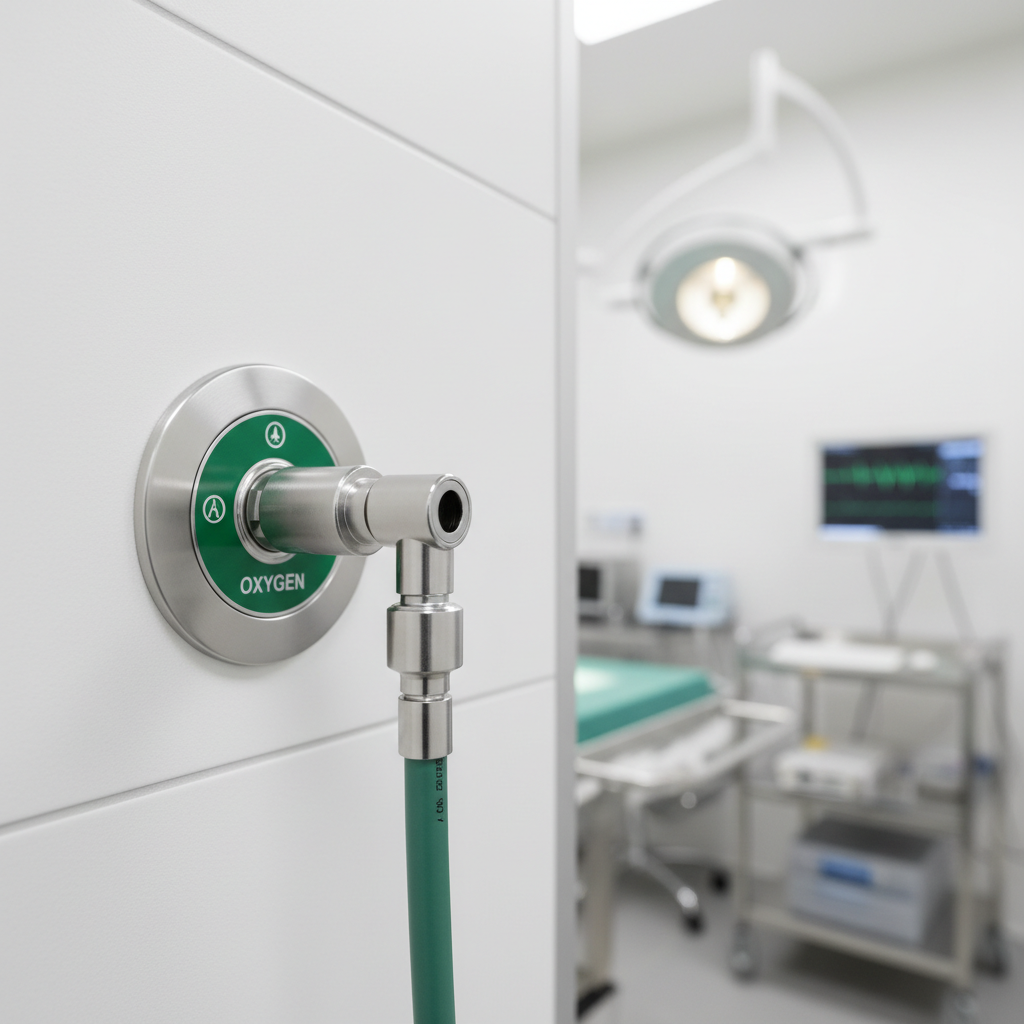
Veterinary Medical Gas Installation in High Point, NC: A Compliance Guide for Clinics & Hospitals
Designing and installing a medical gas system for a veterinary facility is a critical undertaking that directly impacts patient safety, staff well-being, and regulatory compliance. Unlike standard plumbing, these specialized systems deliver life-sustaining gases like oxygen and remove hazardous waste anesthetic gases (WAGs). A properly executed installation in High Point, NC, requires deep expertise in the National Fire Protection Association (NFPA) 99 Health Care Facilities Code, American Veterinary Medical Association (AVMA) guidelines, and various ASSE International standards. This guide provides a comprehensive overview of the components, codes, and procedures involved in a compliant veterinary medical gas installation, ensuring your facility operates safely and effectively.
What this guide covers:
- Core components of a veterinary gas system (O2, N2O, Vacuum, WAGD)
- Key NFPA 99 and AVMA requirements
- The step-by-step installation and verification process
- The importance of ASSE 6010 certified installers and ASSE 6030 verifiers
Core Components of a Veterinary Medical Gas System
A veterinary medical gas system is more than just pipes; it's an integrated network of sources, distribution pipelines, and outlets designed for patient care. The specific needs of your High Point practice will determine the complexity, but most surgical facilities require four primary services.
1. Oxygen (O2)
Oxygen is the most critical medical gas, used for resuscitation and as a carrier gas for inhalant anesthetics.
- Source: For most veterinary clinics, the source is typically high-pressure cylinders (H or K-style) or liquid oxygen dewars. These are regulated by a manifold system that ensures a continuous, uninterrupted supply. An automatic switchover manifold is essential to prevent a drop in pressure during cylinder changes.
- Distribution: Medical-grade, type K or L copper tubing, cleaned and brazed by a certified technician, transports the gas from the source to the points of use.
- Use Points: Ceiling-mounted drops, wall outlets, or boom-mounted connections deliver oxygen to anesthesia machines and flowmeters.
2. Nitrous Oxide (N2O)
Used for its analgesic and anesthetic properties, nitrous oxide is common in dental and surgical procedures.
- Source: Similar to oxygen, N2O is supplied via high-pressure cylinders connected to a manifold system.
- Distribution: It follows the same stringent requirements as oxygen, using dedicated, labeled copper pipelines.
- Safety: Proper scavenging is non-negotiable to protect staff from chronic exposure.
3. Medical Vacuum
Medical vacuum systems are essential for aspirating fluids and waste from the surgical site.
- Source: A dedicated vacuum pump, typically a duplex system with two pumps for redundancy, creates the necessary negative pressure. The system must include a receiver tank to buffer the vacuum.
- Distribution: Copper pipelines connect the pump to vacuum inlets in surgical and treatment areas.
4. Waste Anesthetic Gas Disposal (WAGD)
Perhaps the most critical system for staff safety, WAGD (also known as scavenging) actively removes exhaled anesthetic gases from the operating room.
- Source: A WAGD producer, which is a dedicated vacuum source calibrated for high-volume, low-vacuum removal, is the heart of the system. It must be distinct from the medical vacuum system.
- Distribution: Dedicated piping vents the captured gases to the exterior of the building, away from windows or air intakes.
- Compliance: Proper WAG monitoring is essential to ensure exposure levels remain below OSHA and NIOSH limits.
Why this matters for compliance: The NFPA 99 code is explicit about the separation of medical vacuum and WAGD systems. Using a single pump for both is a common but dangerous and non-compliant practice. It can lead to inadequate scavenging, exposing staff to harmful gases, and potentially compromising the medical vacuum's effectiveness.
Key Codes & Standards: NFPA 99 and ASSE 6000 Series
Compliance is not optional. A veterinary medical gas installation must adhere to a strict set of codes and standards to ensure safety and functionality.
| Standard | Application in Veterinary Installation | Key Requirement(s) |
|---|---|---|
| NFPA 99 | Health Care Facilities Code | Governs all aspects of design, installation, testing, and maintenance. Specifies pipeline materials, source equipment requirements, labeling, and verification procedures. For vets, this is often applied as a "best practice" standard. |
| ASSE 6010 | Professional Qualification for Installers | Requires the technician performing the installation to be certified. They must understand brazing techniques, system layout, and code requirements. |
| ASSE 6030 | Professional Qualification for Verifiers | Requires a third-party, unbiased verifier to test the system after installation is complete but before it is used on patients. This is a critical final check. |
| AVMA Guidelines | Anesthesia in Veterinary Medicine | Provides best practices for anesthetic equipment, including the importance of scavenging systems to protect staff health. |
At Medical Testing Solutions, our technicians hold ASSE 6010 certification for medical gas installation and our verifiers hold ASSE 6030 certification, ensuring your High Point facility is built to the highest standards.