Skip to content
    New: Medical Gas Outlet Retrofit & Rebuild Matrix — cross-reference legacy Chemetron, Ohio Diamond, Puritan-Bennett & more →
    ASSE Certified 24/7
    Medical Gas Service
    Compliance & Standards
    Veterinary

    Veterinary Medical Gas Installation in Greensboro NC: A Complete Guide

    Medical Testing SolutionsAugust 23, 20266 min read
    Share
    Veterinary Medical Gas Installation in Greensboro NC: A Complete Guide

    Veterinary Medical Gas Systems: An Introduction for Greensboro Clinicians

    Properly installed medical gas systems are a critical component of any modern veterinary practice, directly impacting patient safety and clinical outcomes during surgical procedures. For veterinary clinics in Greensboro, North Carolina, designing and installing these systems involves a complex interplay of plumbing, mechanical, and life safety standards, primarily governed by the National Fire Protection Association (NFPA) 99 Health Care Facilities Code. This guide provides a definitive overview of the components, codes, and procedures involved in a compliant veterinary medical gas installation. You will learn about the primary gases used, the core components of a piped system, the critical compliance standards you must follow, and the steps required to ensure your facility meets the highest standards of safety and reliability, from initial design to final verification.

    Core Components of a Veterinary Gas System

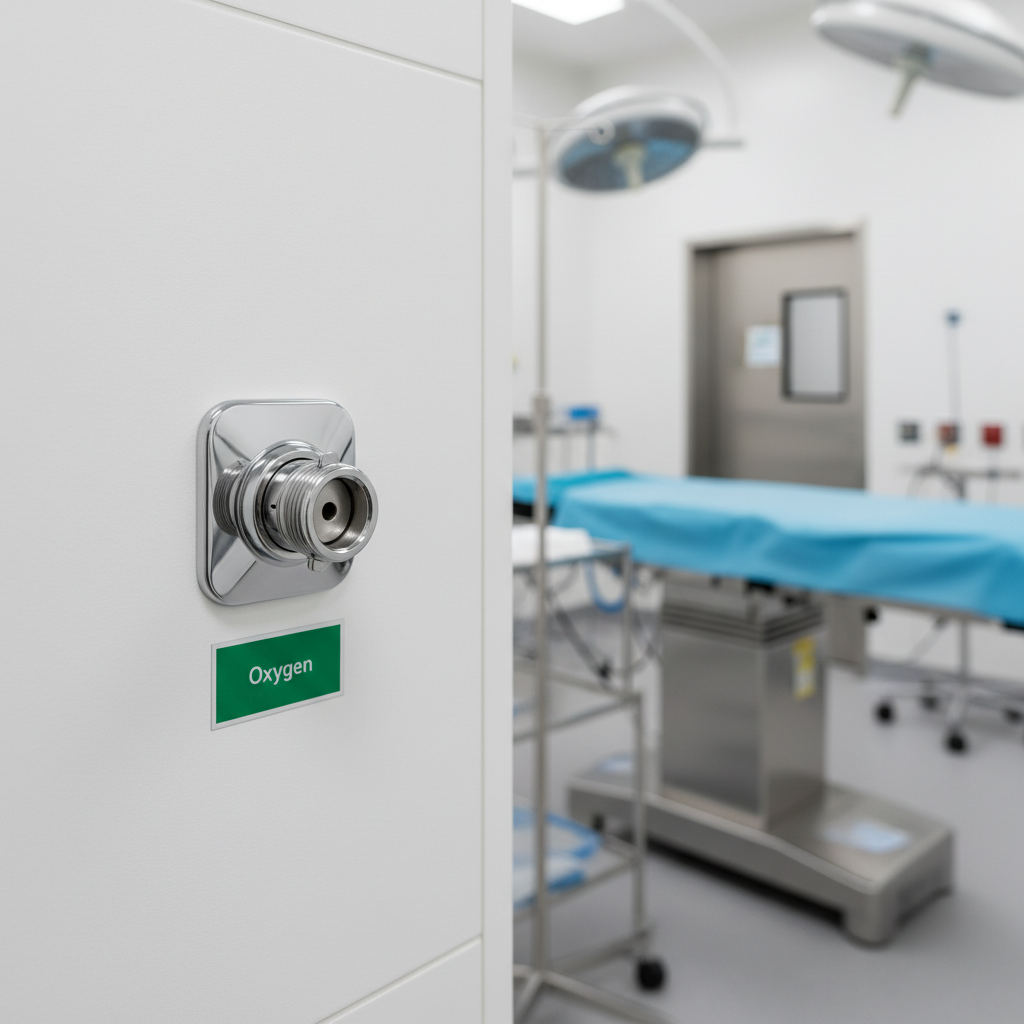
    A veterinary medical gas system is more than just pipes in the wall; it's an integrated network designed for life support. The system comprises a central supply source, a distribution network of pipes, and terminal outlets where anesthesia machines and other equipment are connected. The most common gases include Oxygen (O2), Nitrous Oxide (N2O), Medical Vacuum, and Waste Anesthetic Gas Disposal (WAGD) or scavenging systems.

    Oxygen (O2) Supply Systems

    Oxygen is typically stored in high-pressure cylinders or cryogenic bulk tanks. For most veterinary practices, a manifold of high-pressure H-cylinders is the most common and practical solution.

    • Primary and Secondary Supply: An NFPA 99-compliant system requires a primary and secondary supply manifold. This ensures an uninterrupted gas supply if the primary bank is depleted. An automatic switchover manifold is essential for continuous operation.
    • Alarms: Local and master alarms are required to provide visual and audible alerts for conditions like "reserve in use," "high pressure," or "low pressure."

    Nitrous Oxide (N2O) Systems

    Similar to oxygen, nitrous oxide is supplied via a high-pressure cylinder manifold. Given its anesthetic properties, ensuring the system is leak-free is paramount to protect both patients and staff from chronic exposure. WAGD systems are critical wherever N2O is used.

    Medical Vacuum and WAGD Systems

    Vacuum systems are essential for aspirating fluids during surgery, while WAGD systems are specifically designed to safely remove and scavenge waste anesthetic gases from the operating room environment.

    • Vacuum Pumps: A typical clinic requires a duplex vacuum pump system, with each pump capable of handling 100% of the calculated demand. This redundancy is a key tenet of NFPA 99.
    • Scavenging Systems: A dedicated WAGD system is the standard of care, actively pulling waste gas from the anesthesia machine's pop-off valve and venting it safely outside the building. This is a crucial component for protecting staff from waste anesthetic gas exposure.

    Why this matters for compliance: The American Veterinary Medical Association (AVMA) Guidelines for Anesthesia state that "an active gas scavenging system is the most effective way to reduce waste gas concentrations." Failure to manage WAGD properly can lead to health risks and regulatory scrutiny.

    NFPA 99 and ASSE 6000: The Compliance Framework

    Compliance is non-negotiable. The NFPA 99 Health Care Facilities Code is the primary standard governing medical gas systems. While it focuses on human health care, its principles are the accepted standard for veterinary facilities. Your installation must be performed by technicians certified to the ASSE 6010 standard for Medical Gas Systems Installers.

    StandardGovernsWho It Applies To
    NFPA 99Overall design, installation, testing, and maintenance of medical gas and vacuum systems.The entire facility and project team.
    ASSE 6010Credential for individuals who install medical gas systems. Ensures they are qualified to braze, etc.Installers (e.g., plumbers, pipefitters).
    ASSE 6030Credential for individuals who verify the safety and compliance of new or modified systems.Third-party verifiers (like Medical Testing Solutions).
    ASSE 6040Credential for individuals who maintain medical gas systems.Facility maintenance personnel or service contractors.

    At Medical Testing Solutions, our team includes personnel certified to these rigorous ASSE standards, ensuring your project is compliant from the initial pipe being run to the final verification report.

    The Installation Process: From Design to Verification

    A compliant veterinary medical gas installation in Greensboro follows a structured, multi-phase process.

    Phase 1: Design and Sizing

    • Assessment: Determine the number of locations requiring gas, the types of procedures, and the simultaneous usage factor.
    • Pipe Sizing: Pipes must be sized correctly to maintain pressure and flow at the furthest outlet. Undersized pipes can lead to system failure under load.
    • Material: All piping must be medical-grade, degreased, and hard-drawn seamless copper (Type K or L).

    Phase 2: Installation and Brazing

    This is where an ASSE 6010 Certified Installer is required.

    • Brazing: All joints must be brazed, not soldered. During brazing, a continuous purge of oil-free, dry nitrogen is passed through the pipe to prevent oxidation and scaling inside, which could otherwise contaminate the gas stream.
    • Labeling: Pipes must be labeled with the gas name and direction of flow at specific intervals and on both sides of any wall or partition they cross.

    Phase 3: Initial Testing by the Installer

    Before the final verification, the installer must perform their own tests:

    • Initial Blowdown: After brazing, each section is cleaned by blowing it out with nitrogen.
    • Initial Pressure Test: The system is pressurized to 1.5 times the working pressure to check for leaks.

    Phase 4: Third-Party Verification (ASSE 6030)

    This is the most critical step before the system can be used for patient care. An independent, ASSE 6030 Certified Verifier must conduct a series of tests to confirm the system is safe and compliant. This includes:

    • Purity Test: Ensuring the gas is what it is supposed to be (e.g., Oxygen is >99% pure O2).
    • Cross-Connection Test: Confirming that the oxygen outlet dispenses only oxygen, the vacuum outlet provides suction, etc.
    • Particulate Test: Checking for any contaminants within the piping.
    • Alarm Testing: Verifying that all master and local alarms function correctly.

    Medical Testing Solutions provides comprehensive medical gas verification services to ensure your new installation is 100% safe and ready for use.

    Choosing a Qualified Installer in Greensboro, NC

    When selecting a partner for your veterinary medical gas installation, expertise and certification are paramount. Do not entrust this critical life-support system to a standard residential or commercial plumber.

    Key questions to ask a potential installer:

    1. Are your technicians ASSE 6010 certified? Can you provide their credentials?
    2. Can you provide references from other veterinary or human healthcare facilities?
    3. Do you provide a complete documentation package, including as-built drawings and the installer's tests?
    4. Who do you use for third-party ASSE 6030 verification?

    Maintaining Your System Post-Installation

    Once your system is installed and verified, an ongoing maintenance plan is essential for continued compliance and safety. NFPA 99 mandates regular inspections and maintenance. Medical Testing Solutions offers annual medical gas inspections and preventative maintenance services to keep your system in peak condition, ensuring the long-term safety of your patients and staff.

    Get a Compliant Installation in Greensboro

    Ensuring your veterinary facility's medical gas system is properly designed, installed, and certified is one of the most important investments you can make in patient safety and clinical excellence. The standards are exacting for a reason, there is no room for error. If you are planning a new build or renovating an existing practice in the Greensboro, NC area, trust the certified experts.

    Contact the team at Medical Testing Solutions for a consultation on your project. Call us at +1 (754) 315-1078 or request a quote online to ensure your installation is done right the first time.


    Frequently Asked Questions

    According to NFPA 99, all medical gas systems require annual inspection by a qualified professional to ensure they continue to operate safely and meet compliance standards. This includes checking outlets, alarms, and source equipment.

    Brazing uses a higher temperature and a different filler material than soldering. It creates a much stronger, more reliable joint that is required by NFPA 99 for all medical gas piping to prevent leaks and system failure.

    No. You must use an installer who is ASSE 6010 certified. A standard plumber will not have the required training in brazing with a nitrogen purge, specialized testing, or knowledge of NFPA 99 code, which can result in a non-compliant and dangerous system.

    A Waste Anesthetic Gas Disposal (WAGD) system is crucial for protecting your staff from the health risks of long-term exposure to waste anesthetic gases like isoflurane and nitrous oxide. It actively captures and vents these gases out of the building, which is a key requirement from both the AVMA and OSHA.

    Third-party verification is an independent inspection and testing of a newly installed or modified medical gas system by an ASSE 6030 Certified Verifier. This unbiased assessment is the final step to confirm the system is 100% compliant with NFPA 99 and safe for patient use before it is turned on.

    Yes, NFPA 99, Health Care Facilities Code, is the recognized standard for medical gas systems in both human and animal healthcare settings. Compliance is considered the standard of care to ensure patient and staff safety.

    This article is provided for educational purposes and reflects industry standards as of publication. Always verify against current NFPA 99, CGA, and AHJ requirements. Medical Testing Solutions is ASSE-certified and ready to help — contact us for facility-specific guidance.

    Request a quote for your facility

    Talk with Medical Testing Solutions about your next inspection, repair or equipment request.

    Get a quote in 1 business day

    I agree to receive text messages from Medical Testing Solutions, L.L.C. at the phone number provided, including informational and marketing messages. Consent is not a condition of purchase. Message frequency varies. Message & data rates may apply. Reply STOP to opt out or HELP for help. See our Privacy Policy and Messaging Terms.

    Prefer to talk? Call (754) 315-1078

    Related articles