For veterinary clinics and animal hospitals in Gainesville, Florida, a properly installed medical gas system is the lifeblood of your surgical suite. It's not just a matter of convenience; it's a critical component of patient safety, staff well-being, and regulatory compliance. An improper installation of oxygen, nitrous oxide, or vacuum systems can have catastrophic consequences. This definitive guide explains the process for a compliant veterinary medical gas installation, highlighting the specific requirements for Florida facilities, from NFPA 99 and AVMA guidelines to state-level AHCA standards. We'll cover system components, the step-by-step installation process, and how choosing a local Florida-based expert can save you significant time and money.
Veterinary Medical Gas Installation Gainesville, FL: A Guide to NFPA & AVMA Compliance
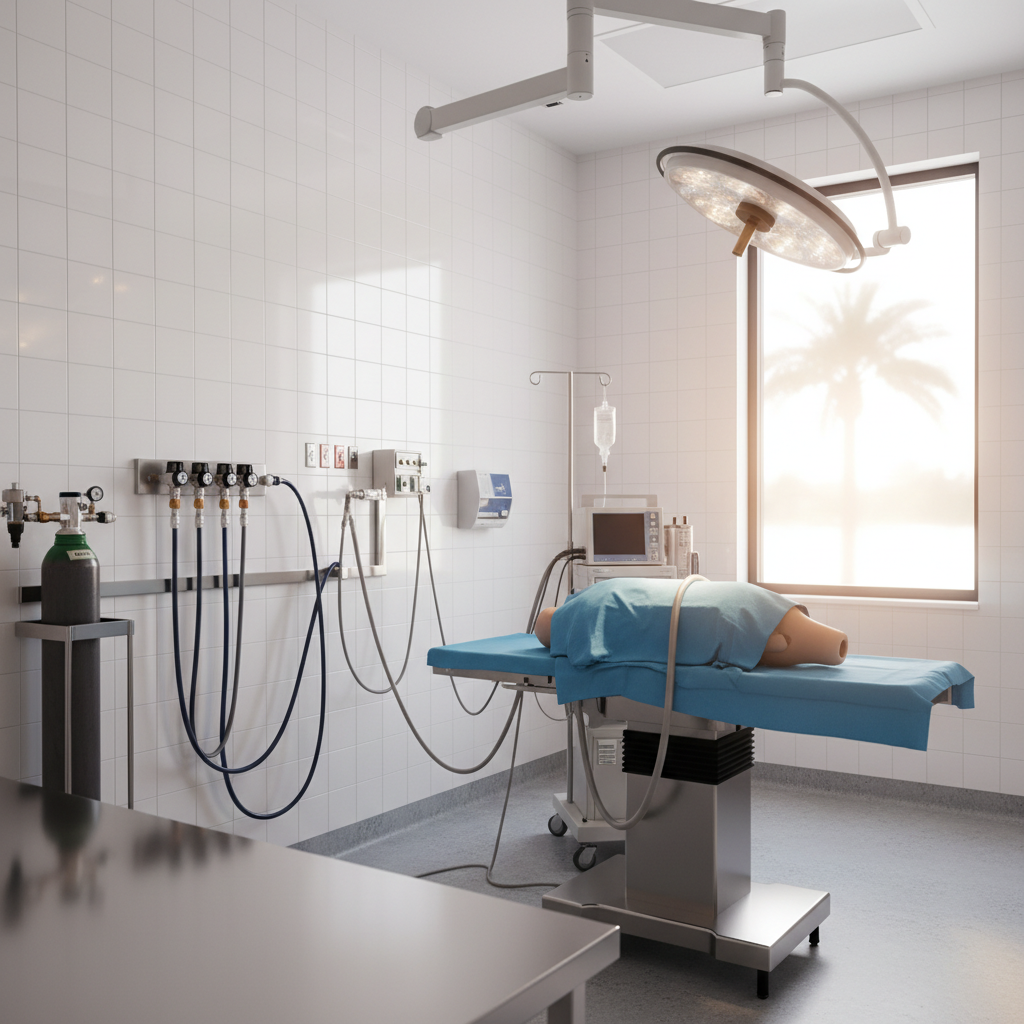
Why Proper Installation is Non-Negotiable for Florida Vets
A correctly designed and installed medical gas system ensures the safe and reliable delivery of anesthetic gases and oxygen, and the effective removal of waste anesthetic gas (WAG). For veterinary practices in Florida, this directly impacts patient outcomes, staff safety, and legal standing.
- Patient Safety: Precise gas flow and purity are essential for keeping animals safely anesthetized during procedures.
- Staff Safety: Effective Waste Anesthetic Gas Disposal (WAGD), or scavenging, is crucial to protect your veterinarians and technicians from the long-term health risks of exposure, a key focus of the American Veterinary Medical Association (AVMA).
- Compliance: Florida facilities must adhere to a strict set of codes. From the national standards of NFPA 99, Health Care Facilities Code, to state-specific requirements from the Agency for Health Care Administration (AHCA), compliance isn't optional. Third-party verification by an ASSE 6030 certified verifier is the only way to ensure your system is legally operational.
Why this matters for compliance: A final verification report from a certified professional is required to get your system online. In Florida, these reports must satisfy AHCA OPS Form 3110 and Chapter 59A of the Florida Administrative Code. Failure to provide this documentation can halt your practice's ability to perform surgeries.
Core Components of a Veterinary Medical Gas System
Veterinary surgical systems are typically less complex than those in a major hospital like UF Health Shands but rely on the same core principles and components for safety and effectiveness.
Oxygen (O2)
Typically supplied from high-pressure cylinders on a manifold system. A proper installation ensures consistent pressure and flow to all terminal outlets in your facility.
Nitrous Oxide (N2O)
Similar to oxygen, N2O is delivered from cylinders through a pressure-reducing manifold. The system must be cross-connection proof to prevent accidental delivery of the wrong gas.
Medical Vacuum
A dedicated vacuum pump provides suction for surgical procedures and waste removal. The system requires specialized piping and outlets to maintain negative pressure.
Waste Anesthetic Gas Disposal (WAGD)
A WAGD system, or scavenger, actively removes exhaled anesthetic gases from the operating room, protecting staff. This is a critical but often overlooked component of veterinary anesthesia equipment.
The Installation Process: An ASSE 6010 Certified Approach
A compliant installation follows a meticulous, multi-stage process performed by an ASSE 6010 certified installer. At Medical Testing Solutions, we handle the entire project from blueprint to final test.
- System Design & Planning: We work with you to design a system that meets your practice's specific needs, ensuring compliance with all relevant codes.
- Rough-In & Piping: Our certified technicians install all brazed, sealed copper piping for the gas and vacuum lines before the walls are closed.
- Component Installation: Manifolds, alarms, and zone valve boxes are installed and connected.
- Terminal Installation: Wall and ceiling outlets for O2, N2O, Vac, and WAGD are installed in surgical and prep areas.
- Final Verification: The crucial last step. An ASSE 6030 certified verifier performs a battery of tests to confirm gas purity, flow, pressure, and the absence of cross-connections. This is the official medical gas verification that certifies your system is safe and ready for use.
NFPA 99 vs. AVMA Guidelines for Vet Clinics
While NFPA 99 is the primary code for all healthcare facilities, the AVMA provides specific recommendations for anesthetic equipment in veterinary settings. Here’s how they compare:
| Feature | NFPA 99 Requirement | AVMA Recommendation | Notes |
|---|---|---|---|
| System Verification | Required (5.1.12) by ASSE 6030 Verifier | Strongly Recommended | A legal and safety necessity. |
| Piping Material | Type K or L Copper, brazed | No specific material, but must be clean for oxygen service | NFPA 99 is the governing standard here. |
| Warning Systems | Required Master & Area Alarms (5.1.9) | Anesthetic machine alarms recommended | Core system alarms are mandated by NFPA. |
| WAGD / Scavenging | General ventilation requirements | Required Active scavenging system | AVMA is more specific on protecting staff from WAG exposure. |
Florida's Local Advantage: Cost Savings & Rapid Response
As a Florida-based company, Medical Testing Solutions offers a distinct advantage over out-of-state competitors. Our headquarters is at 501 East Las Olas Blvd, Ste 300, Fort Lauderdale, FL 33301. This means for any project in Gainesville or anywhere else in the state, we charge NO travel fees, NO lodging costs, and NO per-diem.
This typically saves our Florida clients 10–25% on total project costs for medical gas installation and verification services. Our deep familiarity with AHCA and Joint Commission (TJC) requirements ensures a smooth certification process.
Furthermore, Florida's unique climate presents specific challenges. NFPA 99 section 5.1.12 requires re-verification of medical gas systems after a loss of pressure, such as from storm damage during a hurricane. Our South Florida crews can mobilize quickly across the state, from Miami to Gainesville, to get your practice re-verified and operational faster than anyone else.
Your Certified Installation Partner in Gainesville
Choosing the right partner for your veterinary medical gas installation is a decision that impacts patient safety, staff health, and your practice's legal standing. Ensure your partner is ASSE 6010 and 6030 certified and has a deep understanding of Florida's specific regulatory landscape.
Ready to build a safe, compliant surgical suite for your Gainesville practice? Call our Fort Lauderdale office today at +1 (754) 315-1078 for a no-obligation consultation. Or, request a free quote online to see how much you can save with a dedicated Florida-based team. We serve clients across the state, with dedicated hubs for Fort Lauderdale and the greater Florida region. '''
Frequently Asked Questions
Request a quote for your facility
Talk with Medical Testing Solutions about your next inspection, repair or equipment request.