Properly installed medical gas systems are a critical life-support component of any modern veterinary surgical suite. For clinics in Frankfort, Kentucky, ensuring these systems, delivering oxygen, nitrous oxide, medical vacuum, and scavenging waste anesthetic gas, are designed and installed correctly is not just a matter of operational efficiency; it's a fundamental requirement for patient safety and regulatory compliance. This guide provides a definitive overview of the process, codes, and components involved in a veterinary medical gas installation, from initial planning with an ASSE 6010 certified provider to final system verification, so you can ensure your facility meets the highest standards of care.
Medical Gas Service
Compliance & Standards
Veterinary
Veterinary Medical Gas Installation in Frankfort KY: A Complete Guide
Medical Testing SolutionsAugust 22, 20266 min read
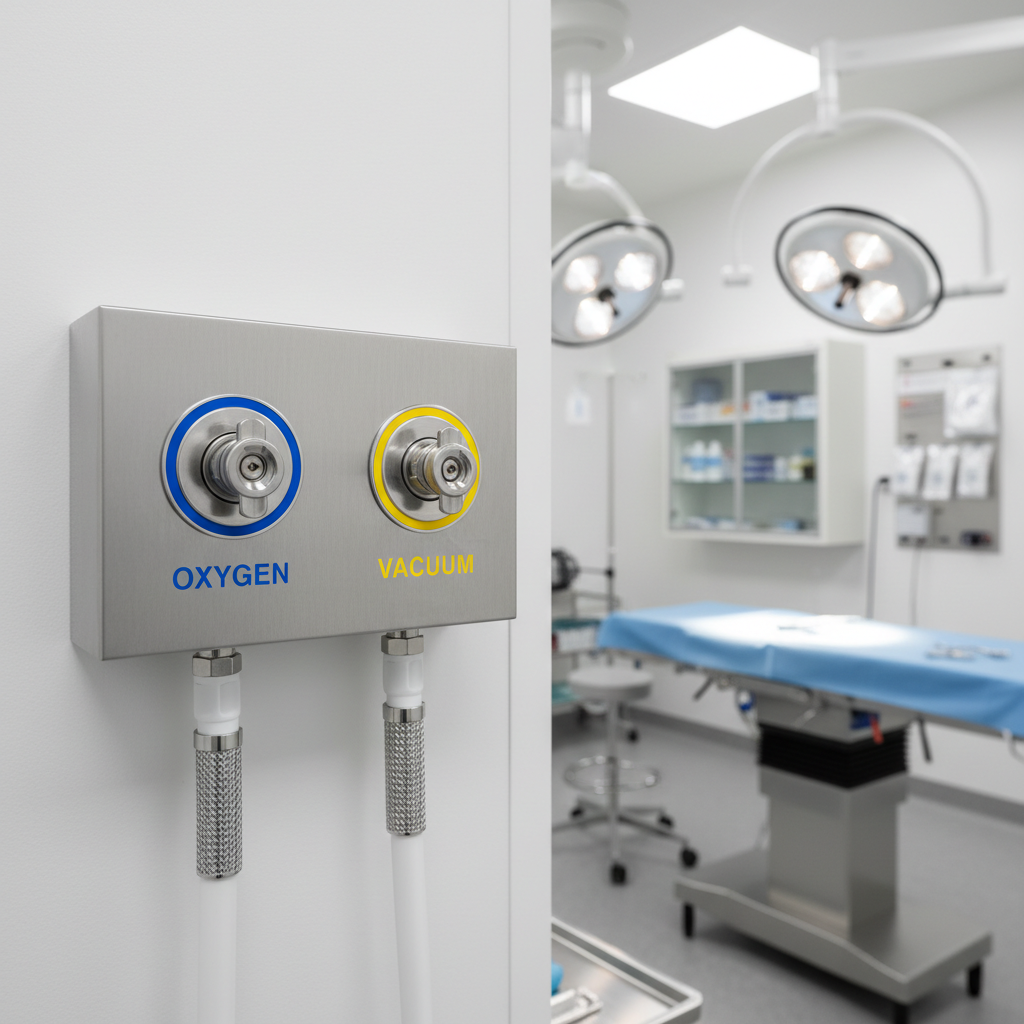
Understanding the Core Components of a Vet Med Gas System
A veterinary medical gas system is an integrated network of pipes, control equipment, and outlets designed to deliver specific gases from a central supply source to various points of use in the clinic. Each component plays a vital role in the system's safety and functionality.
Oxygen (O2) Systems
Oxygen is the most critical medical gas, used for patient resuscitation and as a carrier gas for inhalant anesthetics. The supply source is typically a high-pressure cylinder bank (manifold) or a bulk liquid oxygen tank. An ASSE 6010 certified installer ensures all piping, pressure regulators, and alarms are correctly installed per NFPA 99 to guarantee uninterrupted delivery.
Nitrous Oxide (N2O) Systems
Used for its analgesic and anesthetic properties, nitrous oxide is typically supplied via a high-pressure cylinder manifold system similar to oxygen. Proper installation includes safeguards to prevent cross-connection with other gas lines and ensuring adequate ventilation in storage areas, as mandated by the Compressed Gas Association (CGA).
Medical Vacuum Systems
Medical surgical vacuum is essential for removing fluids and debris from the surgical site. A compliant system consists of one or more vacuum pumps, a receiver tank, and a network of piping leading to suction outlets. NFPA 99 dictates specific requirements for pump sizing, filtration, and exhaust to ensure consistent, safe, and hygienic operation.
Waste Anesthetic Gas Disposal (WAGD) / Scavenging
Active scavenging systems are the only AVMA-recommended method for safely removing waste anesthetic gases from the operating room. These systems protect your staff from the long-term health risks of exposure to trace anesthetic agents. Proper installation by a company like Medical Testing Solutions is crucial for ensuring the system is balanced to provide adequate capture without affecting the patient breathing circuit. We offer specialized WAG chemical vapor monitoring to validate system effectiveness.
The Installation Process: From Design to Verification
A compliant veterinary medical gas installation follows a phased approach overseen by certified professionals. Cutting corners at any stage can lead to costly rework, failed inspections, and significant safety hazards.
Step 1: System Design and Planning
Before any pipes are run, a detailed plan is developed. This involves:
- Assessing Clinic Needs: Determining the number of gas outlets required for each location (surgical suites, treatment rooms, recovery areas).
- Sizing the System: Calculating gas flow rates and pipe sizes to ensure adequate pressure and volume at every outlet.
- Code Review: Ensuring the design conforms to all relevant standards, primarily NFPA 99 (Health Care Facilities Code).
Step 2: Sourcing and Brazing
All piping must be medical-grade, cleaned, and capped for oxygen service. An ASSE 6010 certified technician performs the critical task of brazing the copper pipe joints using a nitrogen purge. This process prevents the formation of carbonaceous scale inside the pipes, which could otherwise be dislodged and harm patients or damage equipment.
Why this matters for compliance: NFPA 99, Chapter 5, strictly outlines the requirements for materials and joining methods. Using improper materials or brazing techniques is a common point of failure during system verification and can render the entire system non-compliant.
Step 3: Source Equipment Installation
This involves setting up the primary gas sources: cylinder manifolds, bulk tanks, and vacuum pumps. This work includes installing master alarms that monitor gas pressures and vacuum levels, alerting staff to any critical system deviations.
Step 4: System Verification (ASSE 6030)
Once the installation is complete, it MUST be verified by a third-party ASSE 6030 certified verifier. This is not optional. The verifier performs a series of rigorous tests to confirm:
- No Cross-Connections: Ensuring that only the specified gas is flowing from each outlet.
- System Purity: Testing for contaminants within the piping.
- Pressure & Flow: Confirming that all outlets deliver the correct pressure and flow rate.
- Alarm Functionality: Verifying that all warning systems are working correctly.
Medical Testing Solutions provides comprehensive medical gas verification to ensure your new installation is 100% compliant and ready for service.
Comparing System Types and Compliance Standards
Choosing the right components and understanding the governing codes are essential for a successful installation. Here is a comparison of key considerations:
| Feature | Oxygen (O2) | Nitrous Oxide (N2O) | Medical Vacuum | WAGD Scavenging |
|---|---|---|---|---|
| Primary Standard | NFPA 99, Chapter 5 | NFPA 99, Chapter 5 | NFPA 99, Chapter 5 | NFPA 99, Chapter 5 |
| Supply Source | Bulk Tank or Cylinder Manifold | Cylinder Manifold | Dedicated Vacuum Pumps | Dedicated Scavenging Pump |
| Key Concern | Fire Risk, Purity | Asphyxiation Risk, Staff Exposure | Contamination, Negative Pressure | Staff Exposure (Anesthetic Agents) |
| Pipe Material | Brazed Copper (Type L/K) | Brazed Copper (Type L/K) | Brazed Copper (Type L/K) | Copper or PVC (system dependent) |
| Verification | ASSE 6030 Verifier | ASSE 6030 Verifier | ASSE 6030 Verifier | ASSE 6030 Verifier |
Partnering with Certified Professionals in Frankfort
For a veterinary practice in Frankfort, KY, the only way to ensure a compliant and safe medical gas installation is to partner with a company whose technicians hold ASSE 6010 (Installer) and ASSE 6030 (Verifier) certifications. Medical Testing Solutions is a premier provider of veterinary anesthesia equipment and installation services. Our certified team has the expertise to manage your project from design to final certification, guaranteeing a system that meets the rigorous demands of both veterinary medicine and NFPA 99.
Regular system upkeep is also critical. After installation, we recommend a program of annual medical gas inspections to ensure your system remains in peak condition.
Get a Quote for Your Frankfort, KY Installation
Ensuring your veterinary clinic in Frankfort has a professionally installed, compliant medical gas system is a critical investment in patient and staff safety. The expert team at Medical Testing Solutions is ready to help you design and build a system that meets the highest industry standards.
Contact us today for a comprehensive quote for your project. Call us at +1 (754) 315-1078 or request a quote online to get started.
Frequently Asked Questions
The National Fire Protection Association's NFPA 99, Health Care Facilities Code, is the primary standard governing the design, installation, testing, and maintenance of medical gas systems in the United States.
No. Medical gas installation requires specialized knowledge and procedures, such as brazing with a nitrogen purge to prevent pipe contamination. Only an ASSE 6010 certified installer is qualified to perform this work according to NFPA 99 standards.
Installation (ASSE 6010) is the physical process of building the system—running pipes and connecting equipment. Verification (ASSE 6030) is the independent testing process performed after installation to ensure the system is safe, pure, and functions correctly before it can be used for patient care.
After the initial verification, it is best practice to have your medical gas systems inspected annually by an ASSE 6040 certified technician to ensure ongoing safety and compliance. This includes checking outlets, alarms, and source equipment.
Yes, but it must be done by an ASSE 6010 certified installer. The modification process involves shutting down the relevant portion of the system, brazing the new pipework, and having the new outlet and affected system portion re-verified by an ASSE 6030 verifier before it can be put into service.
Request a quote for your facility
Talk with Medical Testing Solutions about your next inspection, repair or equipment request.