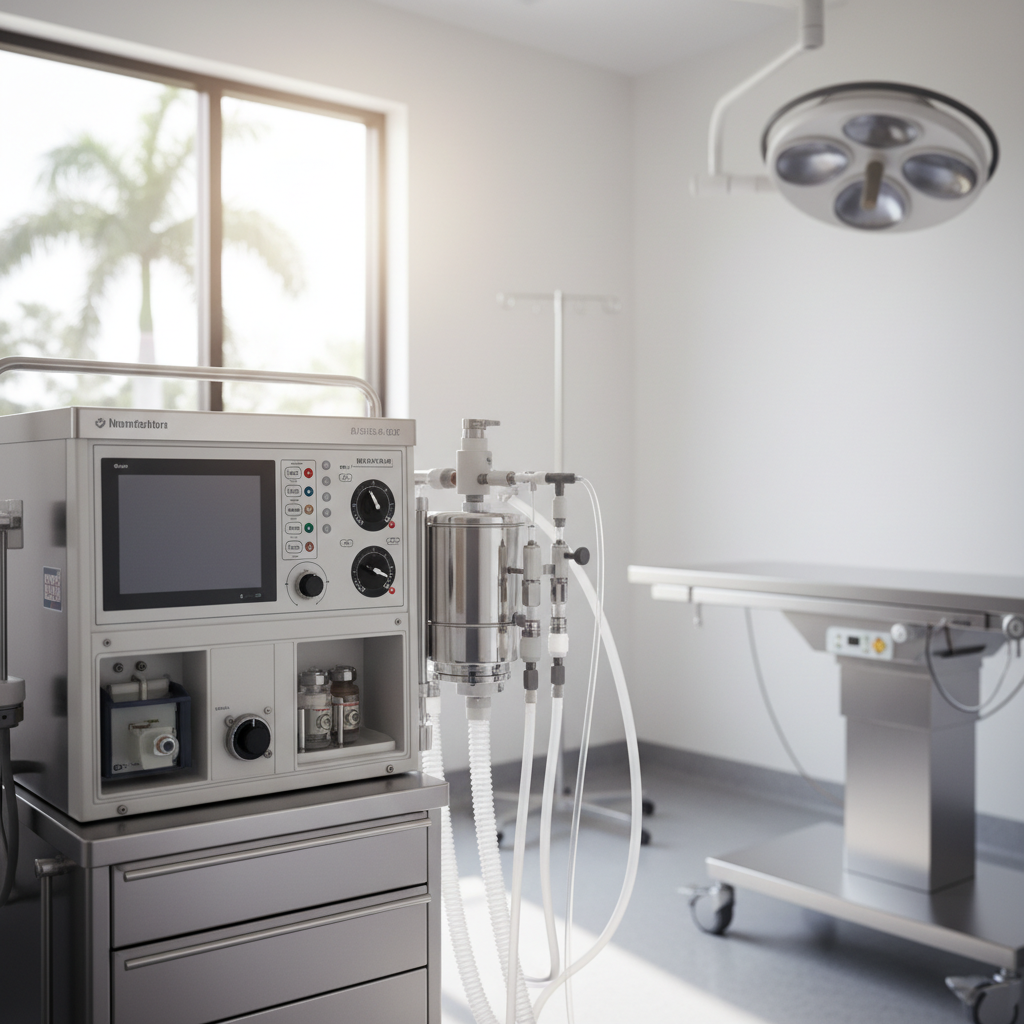
Veterinary Medical Gas Installation in Fort Lauderdale: An AVMA & NFPA 99 Compliance Guide
Medical Testing SolutionsJune 19, 20266 min read
Share
Properly installed and maintained medical gas systems are a non-negotiable cornerstone of any modern veterinary surgical suite. For veterinary practices in Fort Lauderdale and across South Florida, ensuring these systems meet stringent safety and regulatory standards is paramount for patient safety, staff well-being, and operational compliance. This guide provides a definitive overview of the requirements for veterinary medical gas installation, from core system components to the specific codes and standards governing Florida facilities. You will learn what an ASSE 6010 compliant installation entails, why local expertise matters, and how to avoid common, costly mistakes.
As a company headquartered right here in Fort Lauderdale, Medical Testing Solutions understands the unique challenges facing Florida veterinary clinics. We're not just certified experts; we're your neighbors.
Why Proper Medical Gas Installation is Critical for Veterinary Practices
A correctly installed medical gas system does more than just deliver oxygen for anesthesia; it's a life-support system for your animal patients and a critical safety component for your staff.
Patient Safety: A reliable supply of uncontaminated oxygen (O2) and nitrous oxide (N2O) is essential for safe and effective anesthesia. Cross-connections, leaks, or pressure fluctuations can have immediate and severe consequences during a procedure.
Staff Safety:Waste Anesthetic Gas Disposal (WAGD) or scavenging systems are crucial for removing exhaled anesthetic agents from the operating room, protecting your technicians and veterinarians from chronic exposure-related health risks.
Regulatory Compliance: While enforcement can vary, veterinary best practices are informed by standards from the American Veterinary Medical Association (AVMA), the American Animal Hospital Association (AAHA), and the National Fire Protection Association (NFPA). Adherence is key to accreditation and mitigating liability.
Core Components of a Veterinary Medical Gas System
A typical veterinary surgical gas system comprises several key gases and related piping infrastructure. Each must be installed to specific standards.
Oxygen (O2) Systems
The most critical component, oxygen is delivered from high-pressure cylinders or a central bulk tank through a piping network to anesthesia machines and flowmeters. A compliant installation ensures continuous pressure and purity from the source to the patient.
Nitrous Oxide (N2O) Systems
Used as an analgesic and anesthetic agent, N2O systems require dedicated, separate piping and connections to prevent accidental cross-connection with oxygen or other gases.
Medical Vacuum Systems
Medical vacuum is used for aspiration during surgery and for Waste Anesthetic Gas Disposal (WAGD). The system requires a dedicated pump and piping network designed to maintain consistent negative pressure without fail.
Waste Anesthetic Gas Disposal (WAGD)
A properly designed WAGD system is crucial for NFPA 99 compliance and staff safety. It actively removes waste gases from the anesthesia circuit and vents them safely outside the building. This is a common point of failure in DIY or non-specialist installations.
NFPA 99 vs. AVMA Guidelines: Key Differences for Florida Vets
Navigating codes and standards can be confusing. While the AVMA provides guidelines specific to veterinary practice, NFPA 99 is the foundational code for all medical gas systems in human and animal health facilities. In Florida, demonstrating compliance often means adhering to NFPA 99, as it is referenced by state and local authorities like the Agency for Health Care Administration (AHCA).
Feature
NFPA 99 (2024 Ed.)
AVMA Guidelines for Anesthesia
Key Takeaway for Vets
Applicability
Legally adopted code for all healthcare facilities.
Best practice guidelines for veterinary medicine.
NFPA 99 is the enforceable standard in most jurisdictions, including Florida.
Installer
Requires ASSE 6010 credentialed personnel.
Recommends knowledgeable installers.
Always use an ASSE 6010 certified installer to ensure code compliance.
Verification
Mandates third-party verification by an ASSE 6030 Verifier.
Specifies detailed requirements for active scavenging systems.
Stresses the importance of scavenging for staff safety.
Your WAGD system must be mechanically engineered and tested to meet NFPA airflow and termination specs.
Why This Matters for Compliance: In Florida, state health inspectors and TJC surveyors reference NFPA 99. A veterinary clinic undergoing an audit or inspection may be required to produce documentation proving their medical gas system was installed and tested to this standard. For instance, verification reports must satisfy AHCA OPS Form 3110 and Chapter 59A of the Florida Administrative Code. A compliant installation from a certified company like Medical Testing Solutions provides this essential paperwork.
The MTS Advantage: Why South Florida Vets Choose Us
Choosing an installer is as critical as the system itself. As a local Florida-based company, MTS offers significant advantages over out-of-state competitors.
We Are Truly Local
Medical Testing Solutions is headquartered at 501 East Las Olas Blvd, Ste 300, Fort Lauderdale, FL 33301. Our roots are in South Florida. We aren't a national chain that flies technicians in. This means when you call, you're speaking to a local expert who understands the specific needs of our community, from Miami to West Palm Beach.
Unbeatable Cost Advantage
Because our ASSE-certified team is based right here in Fort Lauderdale, we charge NO travel fees, NO lodging costs, and NO per-diem for any project in Florida. This typically saves our veterinary clients 10-25% on the total cost of installation and verification compared to out-of-state providers. Explore our full range of Fort Lauderdale medical gas services to learn more.
Hurricane-Ready & Rapidly Deployed
South Florida knows the reality of hurricane season. NFPA 99 (5.1.12) requires system re-verification if it has been breached or lost pressure, a common occurrence after a major storm. Our local crews can be dispatched same-day post-hurricane to re-verify your system and get your practice safely operational faster than anyone else. We are your partners in resilience, proudly serving all of Florida.
Full Lifecycle Service
Medical Testing Solutions is your one-stop shop. We handle everything:
Don't leave the safety of your patients and staff to chance. Ensure your veterinary practice is built on a foundation of safety and compliance with a professionally installed medical gas system. As Fort Lauderdale's local ASSE-certified experts, Medical Testing Solutions is ready to help.
Call our Fort Lauderdale office today at +1 (754) 315-1078 for a no-obligation consultation. We offer same-day dispatch for service calls in South Florida. Or, you can request a free quote online and our team will get back to you promptly.
'''
Frequently Asked Questions
Your installer MUST hold an ASSE 6010 Medical Gas Systems Installer credential. This is a requirement of NFPA 99 and ensures the technician is trained to work with these specialized systems. Never use a standard plumber.
A full system verification is required immediately after installation. After that, NFPA 99 and The Joint Commission (TJC) require inspections at least annually to ensure ongoing safety and performance.
While direct oversight can be more stringent for large hospitals like Jackson Memorial or Cleveland Clinic Florida, these standards represent the established benchmark for safety and compliance. Adhering to them is the best way to ensure patient safety, protect your staff, and minimize liability.
The elimination of travel costs. For a multi-day installation or verification project, avoiding airfare, hotels, and meal per-diems for out-of-state technicians can reduce your total project cost by up to 25%.
Request a quote for your facility
Talk with Medical Testing Solutions about your next inspection, repair or equipment request.