Veterinary Medical Gas Installation in Florence, SC: A Complete Guide for Clinicians
For veterinary clinics in Florence, South Carolina, a properly installed medical gas system is not just a utility, it's the lifeblood of your surgical and treatment areas. Ensuring a continuous supply of medical-grade oxygen (O₂), nitrous oxide (N₂O), and reliable medical vacuum is paramount for patient safety and procedural efficacy. This guide provides a comprehensive overview of the design, installation, and verification process for veterinary medical gas systems, drawing from key industry standards like NFPA 99. We will cover system components, code requirements, the roles of certified technicians, and how to ensure your facility meets the highest standards for safety and compliance.
Core Components of a Veterinary Medical Gas System
A compliant veterinary gas system is more than just pipes and outlets. It's an integrated network of sources, distribution pipelines, and terminal units, each with a specific function. The primary gases used in veterinary medicine include Oxygen, Nitrous Oxide, and Medical Vacuum (suction). A critical, often overlooked, component is the Waste Anesthetic Gas Disposal (WAGD) or scavenging system.
- Source Equipment: This is the heart of the system. For oxygen, this can range from high-pressure cylinders and manifolds for smaller clinics to large bulk liquid oxygen tanks for hospitals.
- Pipeline Distribution System: This network of seamless, medical-grade copper piping, installed by ASSE 6010 certified technicians, transports the gases from the source to the point of use.
- Valves & Zone Boxes: Ball valves are installed to isolate specific areas of the facility (e.g., a single operating room) for maintenance or emergencies without shutting down the entire system.
- Alarms: Master and area alarms are crucial safety features. They provide audible and visual warnings of pressure changes, low supply, or system malfunctions, as mandated by NFPA 99.
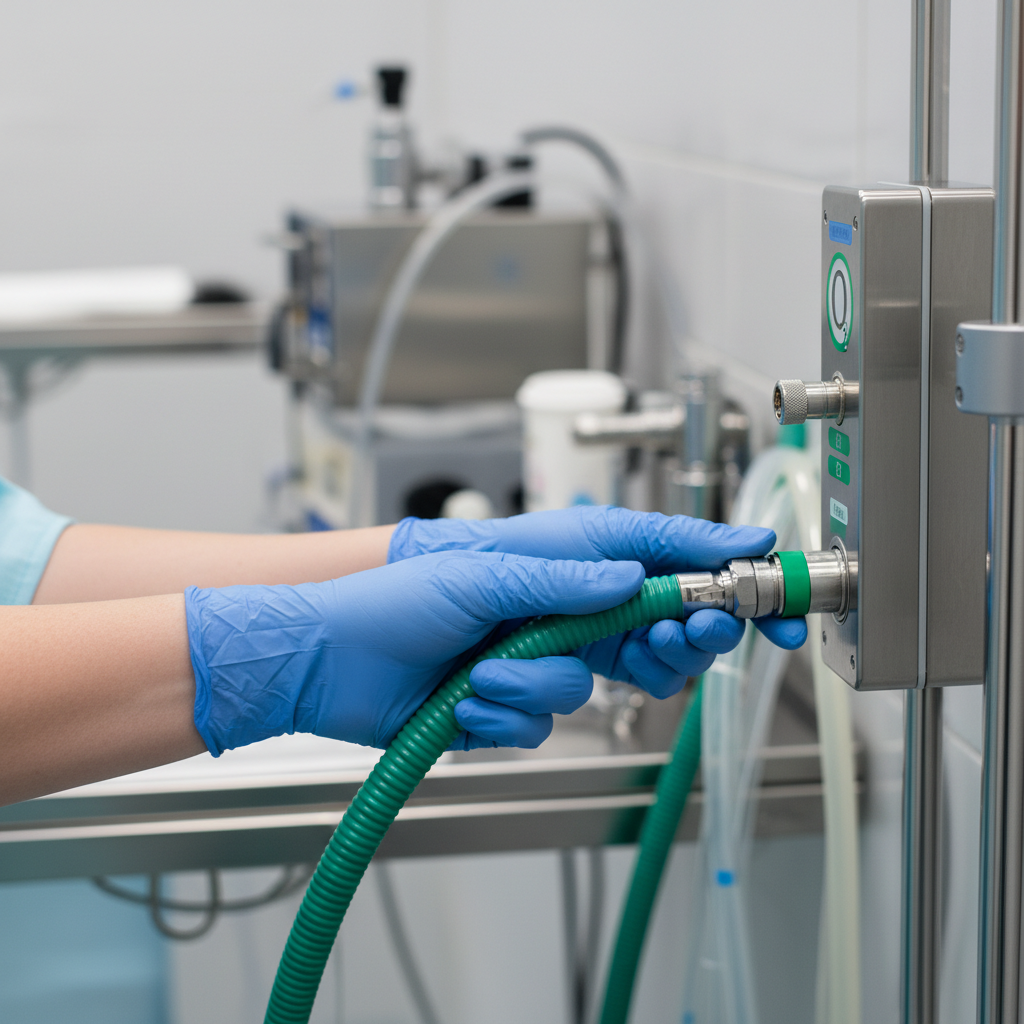
- Terminal Units: These are the outlets in your operating and procedure rooms where anesthesia machines and other equipment connect to the gas supply. They are gas-specific to prevent accidental cross-connection.
Understanding the Codes: NFPA 99 and its Impact on Veterinary Installations
The National Fire Protection Association's NFPA 99, Health Care Facilities Code, is the primary standard governing medical gas systems. While originally written for human healthcare, its principles are the accepted best practice for veterinary facilities to ensure safety.
Why this matters for compliance: Adhering to NFPA 99 is not just a suggestion; it's the industry benchmark for safety. An improperly installed system poses a significant risk of fire, gas contamination, or system failure, endangering patients, staff, and the facility itself. A third-party medical gas verification to ASSE 6030 standards is the only way to prove your system is built to code.
Key NFPA 99 requirements for a veterinary installation include:
- Piping: Must be rigid, seamless copper (Type K or L), cleaned for oxygen service, and brazed with a nitrogen purge by a qualified ASSE 6010 installer.
- System Testing: Before being put into service, the entire system must be pressure tested, purged, and analyzed for gas concentration, purity, and contaminants. This final step is performed by an ASSE 6030 Certified Verifier.
- Scavenging: Active WAGD systems must be properly designed to remove waste anesthetic gas without affecting the patient's breathing circuit.