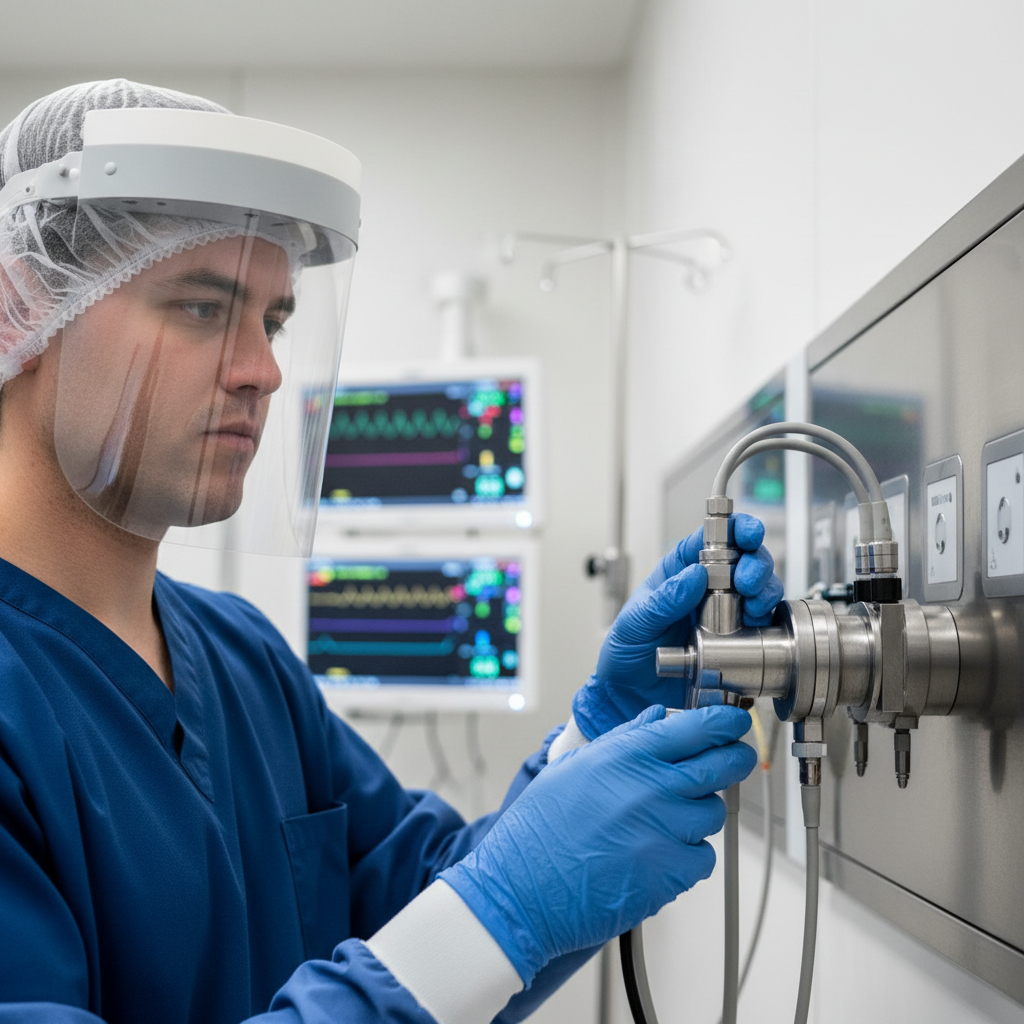
Proper medical gas installation is the foundation of patient safety in any veterinary surgical setting. For clinics in Fayetteville, North Carolina, designing and installing a system for oxygen (O2), nitrous oxide (N2O), medical vacuum, and waste anesthetic gas disposal (WAGD) is a complex process governed by strict safety standards. A flawless installation ensures patient safety during procedures and protects your staff from exposure to waste gases. This guide details the critical steps for a compliant veterinary medical gas installation, covering system design, component selection, installation procedures, and the final verification required to put your system into service.
Understanding the Core Components of a Veterinary Gas System
A veterinary medical gas system is more than just pipes in the wall. It's an integrated network of sources, distribution piping, and terminal units designed to deliver life-sustaining gases reliably and safely. A typical system includes:
Source Equipment: This is where the gases originate. For oxygen, this is usually a high-pressure manifold of cylinders or a bulk liquid tank. For nitrous oxide, it's a cylinder manifold. Vacuum systems use specialized pumps, and WAGD systems use dedicated producers to actively scavenge waste gas.
Distribution Piping: Medical-grade, non-ferrous copper piping (Type K or L) is required to transport the gases from the source to the treatment areas. The integrity of this piping is paramount.
In-Line Valves: Zone and in-line valves are installed to isolate specific areas of the clinic (e.g., a single operating room) for maintenance or in an emergency without shutting down the entire system.
Alarm Panels: Master and area alarm panels are the system's brain. They constantly monitor gas pressure and vacuum levels, providing immediate audible and visual alerts if any parameter falls outside a safe range.
Terminal Units: These are the outlets in your operating and treatment rooms where anesthesia machines and other equipment are connected. They are gas-specific to prevent accidental cross-connection.
WAGD (Waste Anesthetic Gas Disposal): A critical component for staff safety, the WAGD system actively removes exhaled anesthetic gases from the surgical suite, venting them safely outside the building.
Why this matters for compliance: The National Fire Protection Association (NFPA) 99 Health Care Facilities Code sets the minimum requirements for the design, installation, and performance of these components. A compliant system is non-negotiable for both patient safety and regulatory adherence.
Key Differences: Human vs. Veterinary Gas Systems
While both human and veterinary medical gas systems share the same foundational principles of safety and reliability, there are key distinctions outlined by the American Veterinary Medical Association (AVMA) and NFPA 99.
Feature
Human Healthcare Facility (NFPA 99 Category 1)
Veterinary Facility (Typically NFPA 99 Category 2 or 3)
System Complexity
Often larger, more complex systems with multiple sources and higher patient loads.
Generally smaller, more localized systems tailored to clinic size.
Risk Level
Assumed highest risk; system failure is likely to cause major injury or death.
Risk is assessed; failure is less likely to cause catastrophic events but still poses significant danger.
Alarm Requirements
Stringent master and area alarm requirements are mandatory.
Alarm requirements are based on the facility's risk assessment. While still critical, they may be less extensive than a human hospital.
Piping & Materials
Must use specific types of cleaned and capped copper piping (ACR/Med).
Similar materials are required, but installation guidelines may be adapted for the scale of a veterinary clinic.
For a detailed consultation on your specific needs, contact the experts at Medical Testing Solutions for guidance on designing a system that meets your Fayetteville practice's unique requirements.
The Installation Process: From Design to Certification
A successful veterinary medical gas installation follows a meticulous, multi-stage process performed by certified professionals. At Medical Testing Solutions, our ASSE 6010 Certified installers ensure every step adheres to NFPA 99 standards.
Step 1: System Design and Planning
Before any pipes are installed, a comprehensive plan is developed. This involves:
Assessing Needs: Determining the number of operating rooms, treatment stations, and types of procedures to calculate gas flow and volume requirements.
Source Sizing: Correctly sizing the oxygen and N2O manifolds and vacuum pumps to meet peak demand.
Layout & Schematics: Drawing detailed plans showing pipe routing, valve locations, alarm panel placement, and terminal unit positions.
Step 2: Piping Installation and Brazing
This is the most critical construction phase:
Proper Materials: Using only medical-grade Type K or L copper piping that has been cleaned for oxygen service.
Nitrogen Purge: During brazing (joining of pipes), the interior of the pipe must be continuously purged with oil-free, dry nitrogen. This prevents the formation of carbonaceous scale (soot) on the inside of the pipe, which could later be dislodged and harm a patient or damage equipment.
Certified Installers: All brazing must be performed by an individual holding an ASSE 6010 Medical Gas Systems Installer certification. This certification is proof of their training and ability to perform these critical tasks correctly.
Step 3: Component Installation
Once the piping is in place, the source equipment, alarm panels, and terminal units are installed and connected to the distribution network.
Step 4: Third-Party Verification (ASSE 6030)
After the installer completes their work, the system CANNOT be used until it has been thoroughly tested and verified by an independent, third-party ASSE 6030 Certified Medical Gas Verifier. This is a crucial final step to ensure safety and compliance.
This verification process includes:
Purity & Particulate Tests: Ensuring the gas is clean and free of contaminants.
Pressure & Flow Tests: Confirming the system operates at the correct pressures.
Cross-Connection Tests: Verifying that the gas-specific outlets are connected to the correct source.
Alarm Functionality Tests: Ensuring all alarms function as intended.
Medical Testing Solutions provides comprehensive medical gas verification services to ensure your new installation is 100% compliant and ready for patient use.
Choosing a Qualified Installer in Fayetteville, NC
Selecting the right partner for your medical gas installation is the most important decision you'll make. Not all plumbers or mechanical contractors are qualified to perform this specialized work. Look for a company that:
Holds ASSE 6010 Certification: Ensure the installers working on your project are individually certified. Ask to see their credentials.
Specializes in Medical Gas: Choose a company, like Medical Testing Solutions, whose primary business is medical gas, not a general contractor who only does it occasionally.
Provides Third-Party Verification: A reputable company will insist on independent verification to ensure an unbiased assessment of the system's safety.
Understands Veterinary-Specific Needs: They should be familiar with the nuances of veterinary anesthesia equipment and clinic workflows.
Ongoing Maintenance and Compliance
Your responsibility for the medical gas system doesn't end after installation. NFPA 99 requires regular inspections and maintenance to ensure ongoing safety and reliability.
Annual Inspections: A qualified technician should perform a thorough check of your entire system at least once a year. This includes testing outlets, verifying pressures, and checking alarms.
Preventative Maintenance: Source equipment like vacuum pumps and manifolds require regular preventative maintenance as specified by the manufacturer.
Partnering with a full-service provider like MTS simplifies compliance. We offer comprehensive annual medical gas inspections and maintenance plans to keep your Fayetteville facility safe and compliant year after year.
Get Your Fayetteville Installation Right the First Time
Installing a medical gas system in your veterinary practice is a significant investment in patient safety and staff well-being. Ensuring it's done correctly and in full compliance with NFPA 99 standards is not just good practice, it's a legal and ethical requirement. Don't leave this critical task to unqualified contractors.
The certified professionals at Medical Testing Solutions are ready to help. We provide expert medical gas installation, verification, and maintenance services for veterinary clinics throughout Fayetteville and North Carolina.
Contact us today for a no-obligation quote. Call us at +1 (754) 315-1078 or request a quote online to ensure your project is built for safety and compliance from day one.
Frequently Asked Questions
The timeline depends on the size and complexity of the project. A single-OR clinic renovation may take a few days, while a new, multi-room hospital construction can take several weeks. Proper planning is key to minimizing downtime.
ASSE 6010 is for the Installer who physically builds the system. ASSE 6030 is for the Verifier, an independent third party who tests and certifies that the installer's work meets all NFPA 99 code requirements before the system is used on patients.
Absolutely not. You must use medical-grade copper piping (Type K or L) that has been specifically cleaned, capped, and prepared for oxygen service to prevent contamination.
Yes. Active WAGD systems are the industry standard and considered essential for protecting your staff from the long-term health risks of exposure to waste anesthetic gases like isoflurane and sevoflurane.
The facility owner is ultimately responsible for ensuring the system is verified by a certified ASSE 6030 Verifier before it is placed into service. Your installer should coordinate this, but the responsibility for compliance rests with the practice.
Brazing copper heats it to over 1300°F. At this temperature, the oxygen inside the pipe creates a layer of black, flaky carbon scale (cupric oxide). The continuous nitrogen purge displaces all oxygen, preventing this oxidation and keeping the inside of the pipe perfectly clean and safe for medical gas distribution.
Request a quote for your facility
Talk with Medical Testing Solutions about your next inspection, repair or equipment request.