Skip to content
    New: Medical Gas Outlet Retrofit & Rebuild Matrix — cross-reference legacy Chemetron, Ohio Diamond, Puritan-Bennett & more →
    ASSE Certified 24/7
    Medical Gas Service
    Veterinary

    Veterinary Medical Gas Installation in Durham, NC: A Complete Guide

    Medical Testing SolutionsAugust 22, 20265 min read
    Share
    Veterinary Medical Gas Installation in Durham, NC: A Complete Guide

    Veterinary Medical Gas Systems: An Introduction

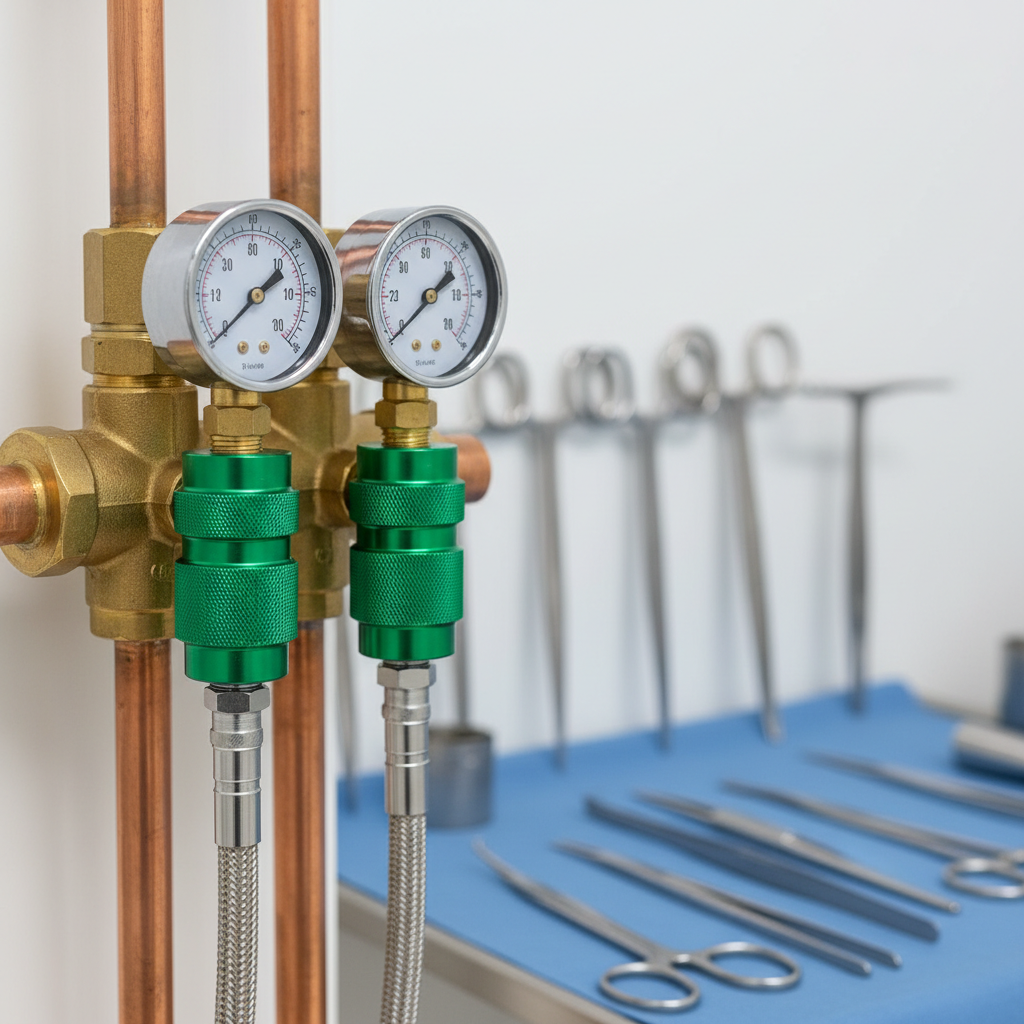
    Properly installed and maintained medical gas systems are a critical component of any modern veterinary surgical suite. These systems deliver life-sustaining gases like Oxygen and provide essential support through Nitrous Oxide for anesthesia, and vacuum for waste gas scavenging and surgical procedures. For veterinary clinics in Durham, North Carolina, ensuring these systems are installed correctly is not just a matter of operational efficiency, it's a fundamental requirement for patient safety, staff well-being, and regulatory compliance. A compliant installation adheres to strict standards set by the National Fire Protection Association (NFPA), particularly NFPA 99 (Health Care Facilities Code), and guidelines from the American Veterinary Medical Association (AVMA). This guide will walk you through the key considerations for designing, installing, and verifying a veterinary medical gas system for your Durham practice, ensuring it is safe, reliable, and compliant from day one.

    Designing Your Veterinary Gas System: Key Considerations

    A successful installation begins with a comprehensive design phase. Rushing this step can lead to costly change orders, a system that doesn't meet your clinical needs, or dangerous compliance failures. Key design factors include:

    Assessing Your Clinic's Needs

    • Number of Anesthetic Stations: How many operating rooms, treatment areas, or dental tables will require medical gas? This determines the number of drops and the overall size of your system.
    • Types of Procedures: Routine spays and neuters have different gas flow requirements than complex orthopedic surgeries. Consider your current and future service offerings.
    • Gas Requirements: Will you only use Oxygen, or do you also need Nitrous Oxide for sedation and analgesia? What are your needs for a surgical vacuum and a separate Waste Anesthetic Gas Disposal (WAGD) system?

    Source Equipment Sizing and Location

    • Oxygen Source: Most veterinary clinics use H-cylinders manifolded together for a primary and secondary supply. The manifold must be sized to provide an uninterrupted gas supply during a changeover. The location must be secure, well-ventilated, and away from public areas.
    • Vacuum Pump & WAGD: These pumps generate noise and heat, and must be exhausted to the outside. They should be located in a mechanical room with adequate ventilation and easy access for preventative maintenance.

    Why this matters for compliance: NFPA 99 has specific requirements for the location and storage of medical gas cylinders (Chapter 11) and the installation of vacuum systems (Chapter 5) to prevent fire risk and ensure system integrity.

    Core Components of a Vet Med Gas System

    Your system is more than just pipes. Understanding the function of each component is crucial for making informed decisions.

    ComponentFunctionNFPA 99 ReferenceCommon Brands
    Source ManifoldConnects multiple gas cylinders to act as a single source with a primary and reserve bank.Section 5.1.3.3Harris, BeaconMedaes, Ohio Medical
    Zone Valve BoxContains shut-off valves for specific zones (e.g., "Operating Room 1"). Allows for isolation during maintenance or emergencies.Section 5.1.4.4Amico, Tri-Tech, BeaconMedaes
    Area Alarm PanelMonitors gas pressure in a specific zone. Alarms if pressure goes too high or too low.Section 5.1.9Amico, BeaconMedaes, CLASS 1
    Terminal OutletsGas-specific connection points (DISS, quick-connect) in the treatment area.Section 5.1.5Chemetron, Ohmeda, DISS
    WAGD SystemActive scavenging system that safely removes waste anesthetic gases from the room.Section 5.1.13.2.3BeaconMedaes, Amico, Porter

    The Installation Process: What to Expect

    A professional veterinary medical gas installation follows a rigorous process managed by ASSE 6010 certified installers. Here’s what you should expect:

    1. Piping Installation: All piping must be medical-grade copper (Type L or K), cleaned for oxygen service, and brazed by a qualified technician. The system must be continuously purged with nitrogen during brazing to prevent oxidation inside the pipes.
    2. Component Placement: Alarms, valves, and outlets are installed according to the design plan, ensuring they are accessible and at the correct height and location.
    3. Initial Pressure Testing: The system is filled with nitrogen and checked for leaks over a 24-hour period.
    4. System Verification (ASSE 6030): This is a mandatory final step. A third-party ASSE 6030 Certified Verifier, like the experts at Medical Testing Solutions, must test and document every component of the system. This includes checking for cross-connections, ensuring correct gas purity, and verifying alarm functionality. You cannot use your system until it has passed this verification.

    Scavenging and WAGD: Protecting Your Staff

    Chronic exposure to waste anesthetic gases can pose health risks to your staff. The Occupational Safety and Health Administration (OSHA) has exposure limits for gases like Nitrous Oxide. A properly installed WAGD system is your primary engineering control to mitigate this risk. These systems must be sized correctly for the number of anesthetic machines and be regularly tested to ensure they are providing adequate negative pressure. Medical Testing Solutions offers WAGD monitoring services to help you stay compliant and keep your team safe.

    Choosing a Qualified Installer in Durham, NC

    Not every plumber or mechanical contractor is qualified to install medical gas piping. When selecting a partner for your veterinary medical gas installation in Durham NC, insist on the following:

    • ASSE 6010 Certified Technicians: This is the industry standard for installers. Ask to see their credentials.
    • Veterinary Experience: An installer with experience in veterinary clinics will understand the unique needs and workflow of your practice.
    • Full-Service Provider: A company that can not only install but also provide annual inspections and maintenance is a valuable long-term partner.
    • Comprehensive Quoting: The quote should detail all materials, labor, and the final ASSE 6030 verification.

    Get Your Project Started

    Ensuring your veterinary clinic's medical gas system is properly designed and installed is one of the most important investments you can make in patient safety and staff well-being. The certified team at Medical Testing Solutions has the expertise to guide you through every phase of your veterinary medical gas installation in Durham, NC, from design and component selection to installation and final ASSE 6030 verification.

    Ready to ensure your facility is safe, compliant, and ready for service? Contact our installation experts today. Request a free quote online or call us at +1 (754) 315-1078 to discuss your project.


    Frequently Asked Questions

    After the initial ASSE 6030 verification, your system should be inspected at least annually. Components like alarms, flowmeters, and pressure gauges require regular checks to ensure they are functioning correctly.

    Absolutely not. You must use medical-grade copper piping that has been cleaned for oxygen service to prevent the risk of fire and contamination. All joints must be brazed, not soldered.

    A medical-surgical vacuum system is used for fluid and tissue aspiration during procedures and typically operates at a higher vacuum level. A WAGD (Waste Anesthetic Gas Disposal) system is specifically designed to safely capture and remove waste anesthetic gases from the breathing circuit at a low flow rate.

    In many cases, yes. However, the manifold and all associated components must be re-certified by an ASSE 6030 verifier at the new location before it can be put back into service. The piping itself is a permanent installation and cannot be moved.

    This article is provided for educational purposes and reflects industry standards as of publication. Always verify against current NFPA 99, CGA, and AHJ requirements. Medical Testing Solutions is ASSE-certified and ready to help — contact us for facility-specific guidance.

    Request a quote for your facility

    Talk with Medical Testing Solutions about your next inspection, repair or equipment request.

    Get a quote in 1 business day

    I agree to receive text messages from Medical Testing Solutions, L.L.C. at the phone number provided, including informational and marketing messages. Consent is not a condition of purchase. Message frequency varies. Message & data rates may apply. Reply STOP to opt out or HELP for help. See our Privacy Policy and Messaging Terms.

    Prefer to talk? Call (754) 315-1078

    Related articles