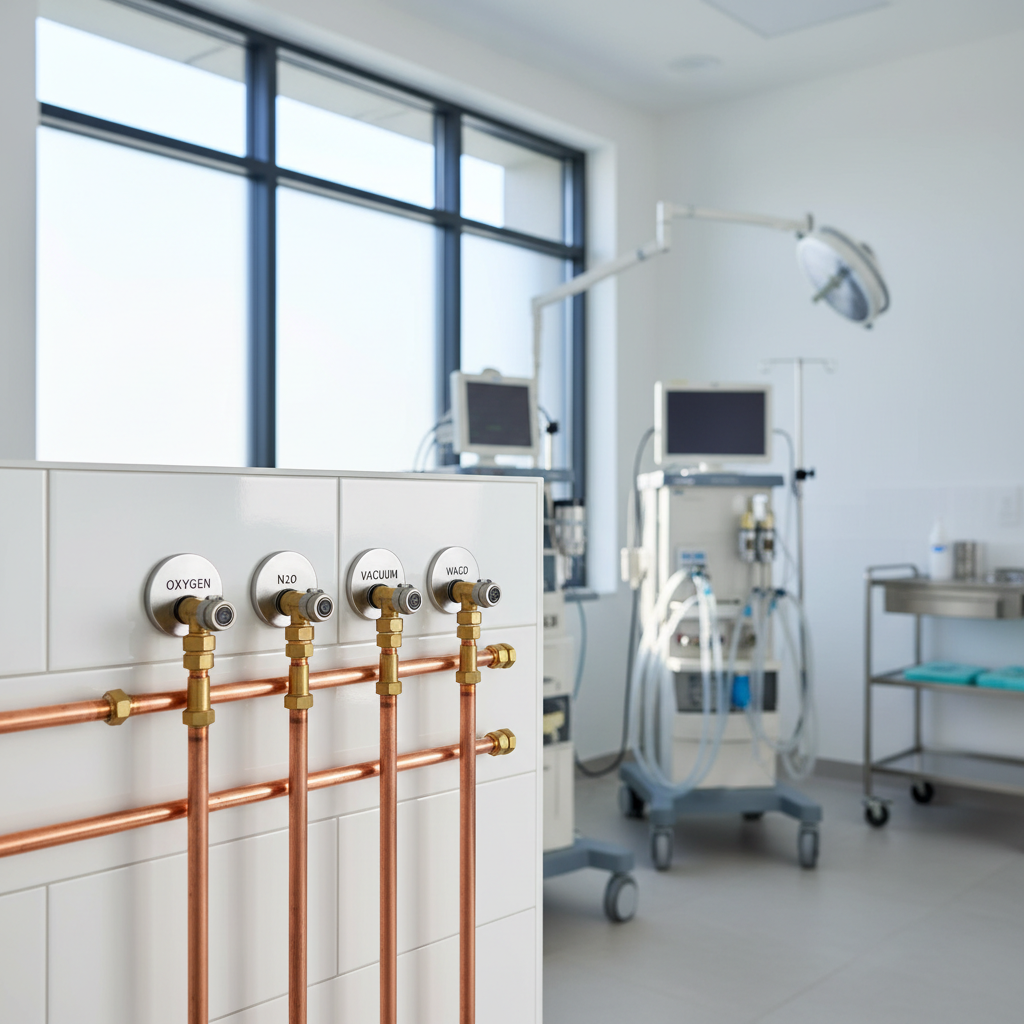
Veterinary Medical Gas Installation in Covington, KY: A Complete Guide for Animal Hospitals & Clinics
Proper medical gas installation is the bedrock of patient safety and operational efficiency in any veterinary surgical setting. From oxygen (O2) and nitrous oxide (N2O) delivery to medical vacuum and waste anesthetic gas disposal (WAGD), every component must be designed, installed, and verified according to stringent standards. For veterinary practices in Covington, Kentucky, understanding these requirements isn't just about compliance, it's about ensuring the highest level of care for your animal patients and safety for your staff.
This guide provides a comprehensive overview of the process, covering the critical gas systems, relevant codes from the National Fire Protection Association (NFPA) and the American Veterinary Medical Association (AVMA), and the steps involved in a successful installation. We will explore system design, component selection, the verification process, and ongoing maintenance, providing a clear roadmap for your facility.
Core Components of a Veterinary Medical Gas System
A compliant veterinary gas system is more than just pipes and outlets. It's an integrated network of sources, distribution pipelines, and delivery points. The most common gases used in veterinary medicine include:
- Oxygen (O2): The primary life-support gas, used for resuscitation and as a carrier gas for inhalant anesthetics.
- Nitrous Oxide (N2O): An analgesic and anesthetic agent, often used in conjunction with other gases.
- Medical Vacuum: Used for aspiration of fluids and tissues during surgical procedures.
- Waste Anesthetic Gas Disposal (WAGD): Actively scavenges and removes waste anesthetic gases from the surgical suite to protect staff from long-term exposure.
Oxygen Supply Systems
Oxygen can be supplied from high-pressure cylinders (H or K style), liquid oxygen containers (dewars), or a dedicated oxygen generator. For most veterinary clinics, manifold systems using high-pressure cylinders are common. A manifold ensures an uninterrupted supply by automatically switching from a depleted cylinder bank to a full one. All components must be oxygen-clean and installed by a certified technician.
Nitrous Oxide Delivery
Similar to oxygen, N2O is typically supplied via a cylinder manifold system. Due to its anesthetic properties, ensuring the pipeline is 100% leak-free is critical. Proper ventilation and WAGD are mandatory wherever N2O is used.
Medical Vacuum and WAGD Systems
The vacuum system is powered by a dedicated pump, typically a durable rotary vane or claw-style pump, designed to maintain constant negative pressure. This is distinct from the WAGD system, which is specifically designed to safely capture and vent waste anesthetic gases. While they both involve negative pressure, they are separate systems with different performance requirements.
Why this matters for compliance: NFPA 99, the foundational code for medical gas systems, requires that WAGD and medical vacuum be two separate systems. Combining them is a common but dangerous code violation that can compromise patient suction and lead to inadequate scavenging of harmful waste gases.
NFPA 99: The Standard for Health Care Facilities
While often associated with human hospitals, NFPA 99 is the go-to standard for medical gas systems in veterinary facilities as well. It provides a risk-based framework for installation, testing, and maintenance. For most surgical applications in veterinary clinics, the system would be classified as Level 1 or 2, demanding high standards.
Key NFPA 99 Installation Requirements
- Piping: All piping must be medical-grade copper (Type K or L), cleaned for oxygen service, and joined by brazing with a nitrogen purge. This prevents the formation of carbonaceous deposits inside the pipe that could otherwise pose a fire hazard in an oxygen-rich environment.
- Valves: Zone valves must be installed to isolate specific areas (e.g., a single operating room) for maintenance or emergencies without shutting down the entire facility.
- Alarms: A master alarm panel must be installed in a continuously monitored location to provide warnings for pressure drops, switchovers, and other system faults.
- Outlets: Gas-specific outlets with a Diameter Index Safety System (DISS) prevent accidental cross-connection of gases.
Here is a comparison of key requirements across different standards:
| Standard Body | Focus Area | Key Requirement Example |
|---|---|---|
| NFPA 99 | Overall System Safety & Installation | Brazing of copper pipes must be performed under a nitrogen purge to prevent oxidation. |
| ASSE 6000 Series | Personnel Certification & Qualification | Technicians performing installations must hold an ASSE 6010 Certified Medical Gas Installer credential. |
| AVMA | Anesthetic Practice Guidelines | Recommends appropriate scavenging systems (WAGD) to limit personnel exposure to waste gases. |
| CGA | Gas Cylinder Safety & Handling | Specifies standards for valve connections (CGA-V-1) and cylinder storage/transport. |