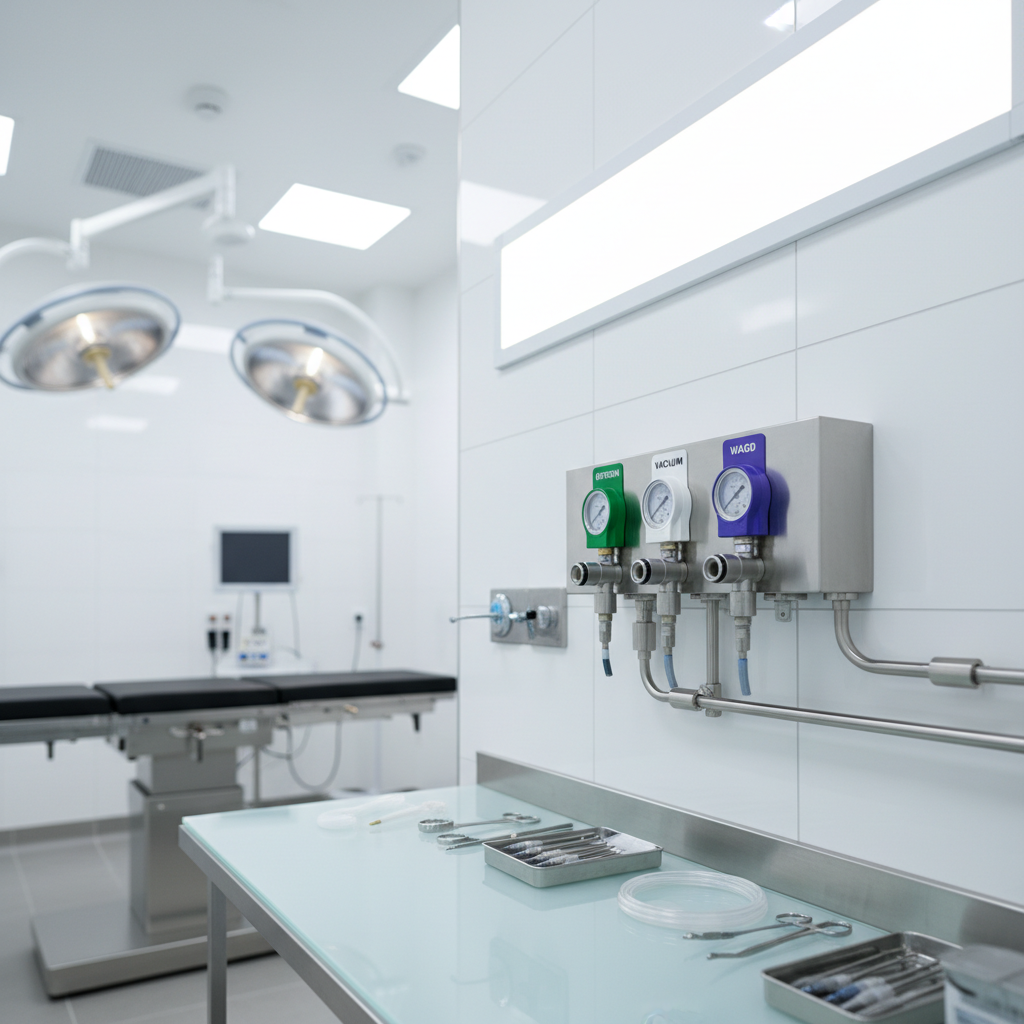
Veterinary Medical Gas Systems: A Primer for Columbia Vets
Designing or upgrading a veterinary clinic or animal hospital in Columbia, SC, involves countless decisions. One of the most critical for patient safety and staff well-being is the medical gas system. Unlike a standard plumbing project, installing systems that deliver oxygen (O2), nitrous oxide (N2O), medical vacuum, and Waste Anesthetic Gas Disposal (WAGD) is a highly regulated and specialized field. A properly designed and installed system ensures reliable delivery of medical gases for anesthesia and respiratory support, protects patients, and keeps your facility compliant with national standards.
This guide provides a definitive overview of veterinary medical gas installation for practices in the Columbia area. You will learn about the key components, critical design considerations, the importance of professional certification, and how to navigate the complex web of codes and standards from the National Fire Protection Association (NFPA) and the American Veterinary Medical Association (AVMA). Whether you are building a new facility or retrofitting an existing one, this article will equip you with the knowledge to partner effectively with certified installers and ensure your project's success.
Key Components of a Veterinary Medical Gas System
A compliant veterinary medical gas system is more than just pipes and outlets. It's an integrated network of components, each with a specific function. Understanding these parts is the first step toward a successful installation.
1. Source Equipment
- Oxygen: Most veterinary practices use high-pressure oxygen cylinders (H or K type) manifolded together. For higher usage, a cryogenic bulk liquid oxygen tank may be considered, though less common for smaller clinics. The manifold must automatically switch from the primary bank to the secondary bank and trigger an alarm.
- Nitrous Oxide: Typically supplied by high-pressure cylinder manifolds, similar to oxygen.
- Medical Air/Vacuum: Medical-grade air compressors and vacuum pumps are the heart of these systems. They must be duplexed (two pumps) so one can operate while the other is serviced. The selection depends on the number of simultaneous users and the specific demand of your equipment.
2. Distribution Network
- Piping: All medical gas piping must be Type K or L seamless copper, cleaned for oxygen service (ACR/OXY). An installer certified to ASSE 6010, Professional Qualification Standard for Medical Gas Systems Installers, must perform the brazing, a critical process that uses a nitrogen purge to prevent internal oxidation.
- Valves: Zone valve boxes are required to isolate specific areas of the clinic (e.g., surgery, treatment rooms) in an emergency or for maintenance without shutting down the entire facility.
- Alarms: Master alarm panels, typically located in a constantly monitored area, provide visual and audible warnings for system failures, such as low pressure, high pressure, or changeover to the secondary cylinder bank. Area alarms provide local alerts within specific zones.
3. Terminal Equipment
- Outlets: Wall-mounted or ceiling-mounted outlets provide the connection point for anesthesia machines and flowmeters. Each gas service has a unique, non-interchangeable connector (DISS - Diameter Index Safety System) to prevent accidental cross-connection.
- WAGD (Scavenging): Waste Anesthetic Gas Disposal is a critical life-safety system. Active scavenging systems use the facility's vacuum pump or a dedicated producer to actively draw waste gas away from the anesthesia circuit. This is essential for protecting staff from the long-term health risks of exposure to waste anesthetic gases, a major focus of our WAG monitoring services.
Why this matters for compliance: NFPA 99 (Health Care Facilities Code) treats veterinary facilities with the same rigor as human healthcare facilities when it comes to medical gas systems. Section 15.3.1.2 explicitly states that when a veterinary facility intends for its system to meet the requirements of a Level 1 system, all provisions of Chapter 5 for piped gas and vacuum systems apply.
Designing Your System: NFPA 99 & AVMA Guidelines
Proper system design is a collaborative effort between the architect, a mechanical engineer, and a certified medical gas specialist. The design must accommodate the specific needs of your Columbia practice, from the number of operating rooms to the types of procedures you perform.
Sizing and Demand Calculation
Correctly sizing the system is paramount. An undersized system will fail under peak load, while an oversized one is an unnecessary expense. Sizing calculations must account for:
- The number of terminal outlets for each gas.
- The "diversity factor" – the maximum number of outlets likely to be used simultaneously.
- The flow rate requirements of your specific anesthetic and respiratory equipment.
Code Compliance Comparison
Navigating the codes can be challenging. Here’s a simplified comparison of the key standards governing your installation:
| Standard | Focus Area | Key Requirement for Vet Clinics |
|---|---|---|
| NFPA 99, Ch. 5 & 15 | Gas & Vacuum Systems | Specifies materials, installation procedures, alarms, and testing. Chapter 15 applies specific sections to veterinary facilities. |
| ASSE 6000 Series | Personnel Certification | Requires installers (ASSE 6010), verifiers (ASSE 6030), and maintenance personnel (ASSE 6040) to be certified. |
| CGA Pamphlets | Gas Handling & Safety | Provides detailed guidelines for safe handling and storage of compressed gas cylinders (e.g., CGA P-2). |
| AVMA Guidelines | Anesthesia Best Practices | Recommends appropriate equipment and procedures for safe anesthetic delivery and monitoring in veterinary patients. |