Skip to content
    New: Medical Gas Outlet Retrofit & Rebuild Matrix — cross-reference legacy Chemetron, Ohio Diamond, Puritan-Bennett & more →
    ASSE Certified 24/7
    Medical Gas Service
    Compliance & Standards
    Veterinary

    Veterinary Medical Gas Installation in Charlottesville VA: A Guide

    Medical Testing SolutionsAugust 21, 20265 min read
    Share
    Veterinary Medical Gas Installation in Charlottesville VA: A Guide

    Veterinary Medical Gas Installation in Charlottesville VA: A Comprehensive Guide

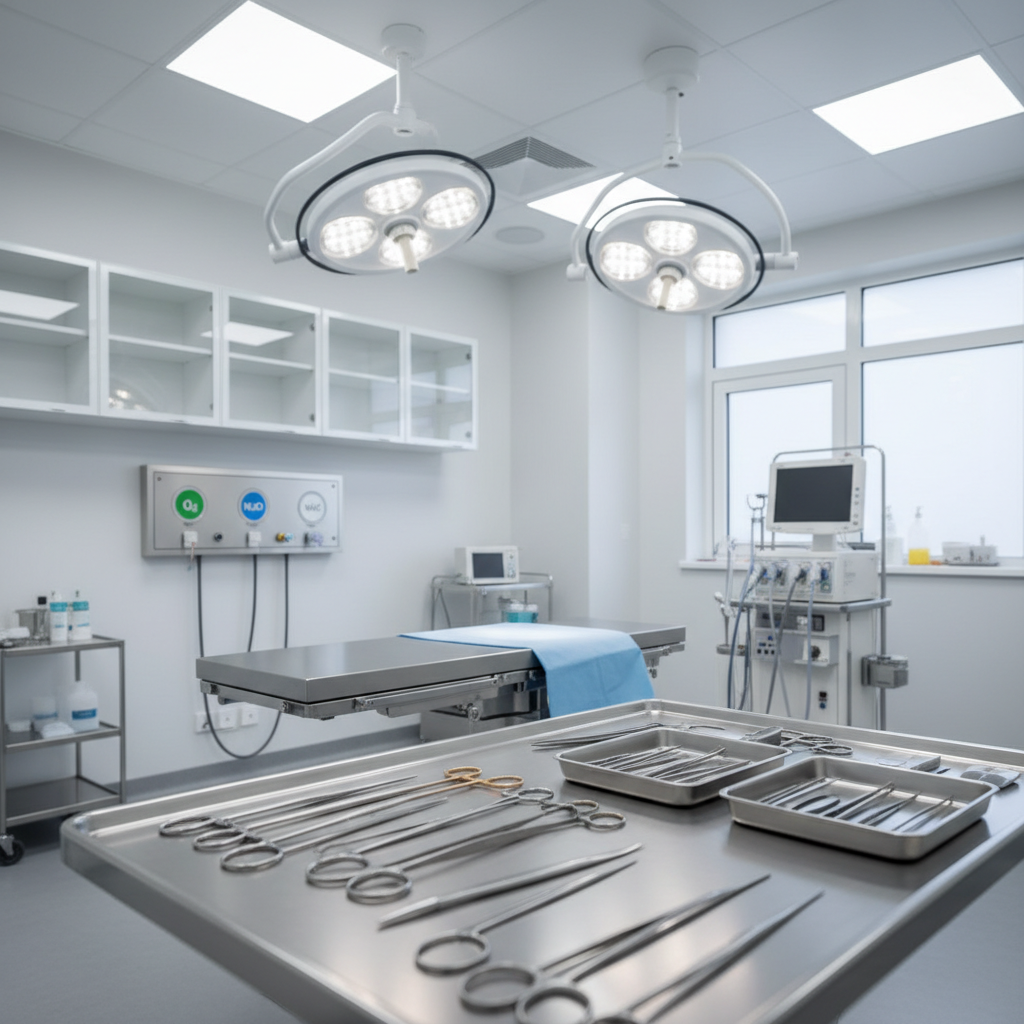
    Installing a medical gas system in a veterinary clinic is more than just running pipes. It's a critical infrastructure project that directly impacts patient safety, staff security, and regulatory compliance. A properly designed and installed system ensures reliable delivery of oxygen (O2) and nitrous oxide (N2O), while also safely removing waste anesthetic gas (WAG) and providing surgical vacuum. For veterinary practices in Charlottesville, Virginia, understanding the specific requirements of the National Fire Protection Association (NFPA) is non-negotiable.

    This guide will walk you through the essential considerations for veterinary medical gas installation, from system design and component selection to the final verification and certification process. We will cover the core gases, key NFPA 99 standards, and the steps required to ensure your facility is both safe and compliant.

    Understanding the Core Components of a Veterinary Gas System

    A typical veterinary medical gas system comprises four primary services. Each has a distinct function and is governed by specific codes.

    1. Oxygen (O2)

    Oxygen is the most critical gas, used for patient resuscitation and as a carrier gas for inhalant anesthetics. Systems can be supplied by high-pressure cylinders, liquid oxygen reservoirs, or oxygen concentrators. The choice depends on your clinic's size, case load, and location.

    2. Nitrous Oxide (N2O)

    Used for its analgesic and anesthetic properties, N2O is typically supplied in high-pressure cylinders. Proper installation is crucial to prevent leaks, which can pose a health risk to staff.

    3. Surgical Vacuum

    Surgical vacuum systems are used to remove fluids and debris from the surgical site. Unlike medical air, veterinary vacuum systems must be designed to handle higher liquid and particulate loads. A dedicated vacuum pump, piping, and collection canisters are essential.

    4. Waste Anesthetic Gas Disposal (WAGD)

    Also known as scavenging, a WAGD system is arguably one of the most important safety features in a modern veterinary clinic. It actively removes exhaled anesthetic gases from the operating room, protecting your staff from the long-term health risks of exposure. NFPA 99 requires a dedicated WAGD system that is separate from the surgical vacuum.

    Why this matters for compliance: The Occupational Safety and Health Administration (OSHA) can cite and fine facilities for exposing staff to hazardous levels of waste anesthetic gases. A properly installed WAGD system is a primary engineering control to mitigate this risk.

    Key NFPA 99 Requirements for Veterinary Installations

    While often associated with human hospitals, NFPA 99, Health Care Facilities Code, is the governing standard for veterinary medical gas systems. An experienced installer will know how to apply these standards to a veterinary context.

    Code Section (NFPA 99, 2024 ed.)Requirement SummaryWhy It's Critical for Vets
    Chapter 5Piped Gas and Vacuum SystemsOutlines requirements for pipe materials (Type K/L copper), labeling, and placement. Ensures system integrity and prevents cross-connection.
    5.1.10Warning SystemsMandates local and master alarm panels to signal abnormal pressure conditions (high/low). This gives staff immediate notice of a supply issue.
    5.1.4Central Supply SystemsDefines rules for the location and storage of gas cylinders and liquid containers, emphasizing ventilation and separation from flammable materials.
    5.1.9Zone ValvesRequires valves to isolate specific areas (e.g., an operating room) in an emergency without shutting down the entire clinic.
    Annex A.5.2.3.15Guidance on WAGDProvides specific guidance on designing WAGD systems to ensure adequate capture and removal of waste gases at the source.

    The Installation Process: From Design to Certification

    A compliant veterinary medical gas installation follows a meticulous, multi-stage process managed by ASSE 6010 Certified installers. Here’s what to expect:

    1. System Design & Engineering: An expert from a firm like Medical Testing Solutions will assess your clinic’s needs, patient volume, and floor plan to design a system that is both functional and code-compliant.
    2. Piping Installation: ASSE 6010 certified technicians install the brazed copper piping, ensuring all joints are clean, strong, and leak-free. All piping is clearly labeled with the gas name and pressure.
    3. Source Equipment & Manifolds: The main gas supply (cylinders, liquid tanks, or concentrators) and manifold are installed in a secure, well-ventilated area as required by NFPA 99.
    4. Alarm Panel Integration: Master and area alarm panels are wired to monitor gas pressures and vacuum levels throughout the facility.
    5. Outlet and Inlet Installation: Terminal outlets for O2 and N2O, and inlets for vacuum and WAGD, are installed in patient care areas. They are indexed by gas type to prevent accidental cross-connection.

    The Critical Final Step: ASSE 6030 Verification

    After the physical installation is complete, the system cannot be used until it has been independently verified. This is not optional. Medical gas verification is a formal process conducted by an ASSE 6030 Certified Verifier.

    The verifier performs a series of rigorous tests to ensure the system is safe for patient use:

    • Purity & Particulate Tests: Confirms the gas delivered to the outlets is the correct gas and is free of contaminants.
    • Pressure & Flow Tests: Ensures all outlets provide the correct pressure and flow rate to power anesthesia machines and equipment.
    • Cross-Connection Test: A critical test to guarantee that connecting a gas to one outlet does not allow it to flow into another gas system.
    • Alarm Testing: Verifies that all warning systems function correctly, activating at the proper set points.

    Only after the system passes every test will the verifier issue a certificate, allowing the clinic to legally put the system into service. Medical Testing Solutions provides this crucial third-party verification service.

    Maintaining Your System for Long-Term Safety

    Installation is just the beginning. Regular maintenance is essential for ensuring the ongoing reliability and safety of your gas system. We recommend establishing a schedule for annual medical gas inspections to check for leaks, test alarms, and ensure pressures are within specification. Proper maintenance protects your investment, your staff, and your patients.

    Frequently Asked Questions

    No. NFPA 99 requires that medical gas systems be installed by individuals certified to the ASSE 6010 standard. A standard plumber does not have the specific training in brazing techniques, purity requirements, or testing procedures required for this critical work.

    A WAGD (scavenging) system is designed for high-flow, low-vacuum air movement to capture lightweight anesthetic gases. A surgical vacuum system is a high-vacuum, low-flow system designed to aspirate heavier fluids and materials. They must be separate, dedicated systems.

    A full ASSE 6030 verification is required upon initial installation or anytime the system is modified. After that, industry bodies recommend, at a minimum, an annual inspection to ensure continued safety and performance.

    Yes. NFPA 99 mandates both master and local alarms to provide immediate audible and visual warnings of pressure or vacuum issues. This is a critical life-safety feature.

    While portable tanks are suitable for mobility, a piped system is far safer and more efficient for any clinic with one or more fixed operating or dental stations. A piped system eliminates the need to move heavy cylinders, reduces the risk of leaks from regulator changes, and ensures a continuous gas supply.

    This article is provided for educational purposes and reflects industry standards as of publication. Always verify against current NFPA 99, CGA, and AHJ requirements. Medical Testing Solutions is ASSE-certified and ready to help — contact us for facility-specific guidance.

    Request a quote for your facility

    Talk with Medical Testing Solutions about your next inspection, repair or equipment request.

    Get a quote in 1 business day

    I agree to receive text messages from Medical Testing Solutions, L.L.C. at the phone number provided, including informational and marketing messages. Consent is not a condition of purchase. Message frequency varies. Message & data rates may apply. Reply STOP to opt out or HELP for help. See our Privacy Policy and Messaging Terms.

    Prefer to talk? Call (754) 315-1078

    Related articles