Veterinary Medical Gas Installation in Charlotte, NC: A Complete Guide
Medical Testing SolutionsAugust 22, 20265 min read
Share
Designing or upgrading a veterinary hospital requires careful planning, especially for critical life-support systems. A properly installed medical gas system is the lifeblood of a modern veterinary surgical suite, delivering oxygen, nitrous oxide, and medical air while safely removing waste anesthetic gas. This guide provides a definitive overview of the codes, components, and procedures for a compliant veterinary medical gas installation in Charlotte, NC. You will learn about the primary gas systems, NFPA 99 requirements for veterinary facilities, the step-by-step installation process, and how to partner with a certified provider to ensure patient and staff safety.
At Medical Testing Solutions, we specialize in the design, installation, and verification of medical gas systems for healthcare facilities of all types, including veterinary clinics and animal hospitals throughout the Charlotte area.
Core Medical Gas Systems for Veterinary Practices
A veterinary surgical suite relies on several integrated systems. While smaller clinics might use portable E-tanks, any facility performing regular surgeries will have a centralized, plumbed system for safety, efficiency, and cost-effectiveness. These systems are governed by the National Fire Protection Association's code, NFPA 99, Health Care Facilities Code.
1. Oxygen (O2)
Oxygen is the most critical medical gas, used for patient ventilation and as a carrier gas for inhalant anesthetics.
Source Equipment: Systems typically start with high-pressure cylinders (H-tanks) or a bulk liquid oxygen vessel. An automatic changeover manifold is essential. This device automatically switches from the primary "in-use" bank of cylinders to the secondary "reserve" bank, ensuring an uninterrupted supply. It also triggers an alarm to notify staff that a bank is depleted.
Piping: Oxygen is distributed through a network of dedicated, cleaned, and brazed copper piping. All installers must be certified to the ASSE 6010 standard for medical gas systems installation.
2. Nitrous Oxide (N2O)
Used as an analgesic and anesthetic agent, N2O is also delivered from a central source using high-pressure cylinders and a manifold system similar to oxygen.
3. Medical Vacuum
A medical vacuum system is used for aspiration during surgical procedures. It consists of a vacuum pump (or multiple pumps for redundancy), a receiver tank, and a dedicated piping network. Unlike compressed gas systems, the vacuum system creates negative pressure.
4. Waste Anesthetic Gas Disposal (WAGD)
Also known as scavenging, the WAGD system is arguably as important as the oxygen supply. It actively removes exhaled anesthetic gases from the operating room, protecting staff from the long-term health risks of exposure. A dedicated WAGD system is the professional standard, superior to passive methods like charcoal canisters.
Why this matters for compliance: The Occupational Safety and Health Administration (OSHA) sets permissible exposure limits (PELs) for anesthetic gases. An active WAGD system is the primary engineering control required to maintain compliance and protect your staff. Regular WAG chemical vapor monitoring is crucial to verify its effectiveness.
Understanding NFPA 99 for Veterinary Facilities
NFPA 99 is the foundational code for medical gas systems. Veterinary facilities are typically classified as "Level 3" systems, which have less stringent requirements than a Level 1 human hospital but still demand professional design and installation.
Key NFPA 99 Level 3 Requirements:
Piping: Type L or K copper tubing is required.
Brazing: All joints must be brazed by an ASSE 6010 certified installer. Brazing must be done with a nitrogen purge to prevent internal oxidation, which could otherwise introduce contaminants into the system.
Valves: Zone valves are required to isolate different areas of the facility (e.g., the surgical suite, recovery area), allowing for maintenance or emergency shut-offs without disabling the entire system.
Alarms: A master alarm panel must be installed to monitor the status of the source equipment. It will indicate when the reserve manifold is in use or if system pressure is outside the normal range.
Feature
NFPA 99 Level 1 (Hospital)
NFPA 99 Level 3 (Veterinary)
Why it Differs
System Verification
ASSE 6030 Verifier required
ASSE 6030 Verifier recommended
Level 1 systems pose immediate risk to human life if they fail.
Piping Joints
Brazed only, nitrogen purge
Brazed only, nitrogen purge
Both require high-integrity joints to prevent leaks and contamination.
Source Equipment
Higher redundancy requirements
Standard redundancy (e.g., auto-manifold)
Reflects the different risk assessment for animal vs. human life safety.
Warning Systems
Multiple layers of master, area, and local alarms
Master alarm at source is sufficient
Level 3 systems are less complex, requiring fewer alarm points.
The Veterinary Medical Gas Installation Process
A compliant medical gas installation follows a strict, multi-phase process managed by certified professionals. As an ASSE-certified company, Medical Testing Solutions follows these steps precisely.
Design & Sizing: We work with your architects and builders to design a system that meets your current and future needs. This includes calculating flow rates, sizing the pipe network, and determining the appropriate source equipment capacity.
Rough-In: ASSE 6010 certified technicians install the copper piping network within the walls, before the drywall is installed. All joints are meticulously brazed with a continuous nitrogen purge.
Source Equipment Installation: The manifolds, pumps, and other source equipment are installed in a dedicated, well-ventilated mechanical room.
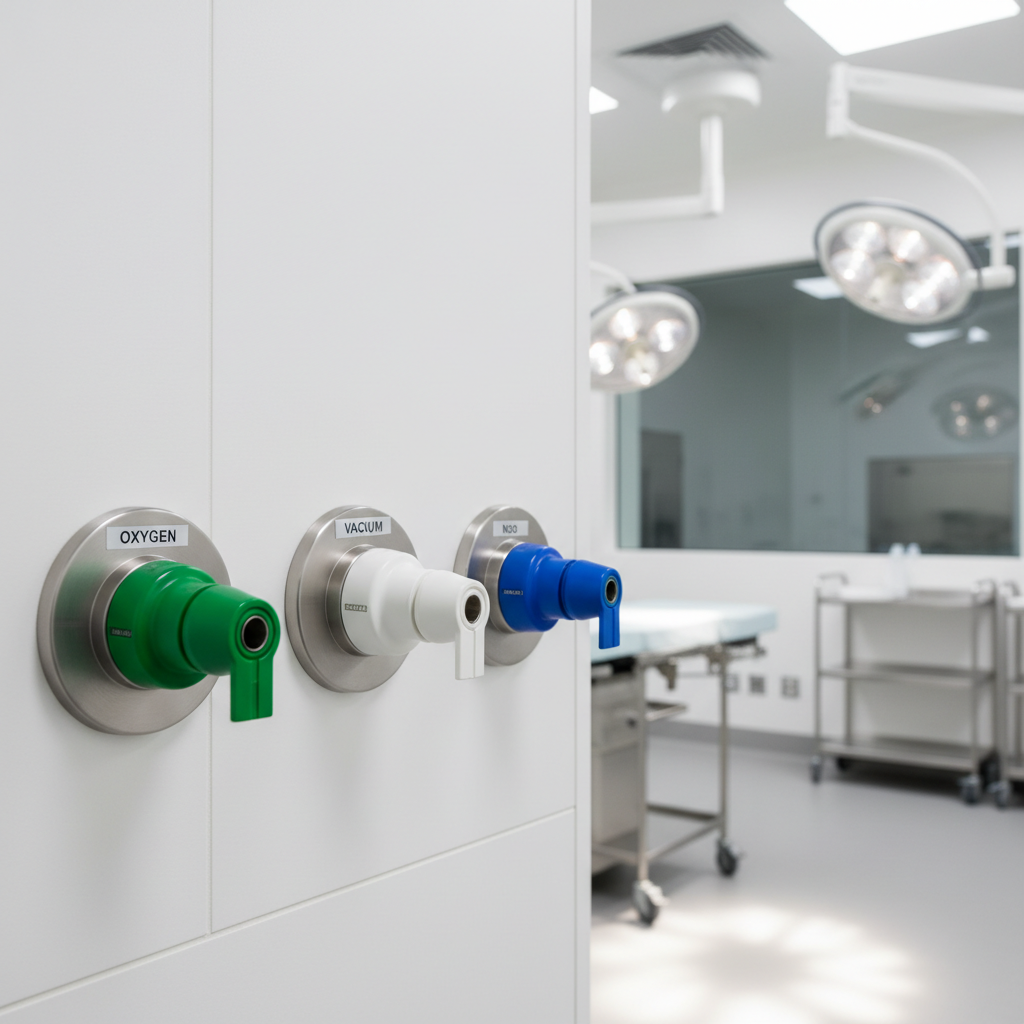
Terminal Installation: Outlets for oxygen, vacuum, and N2O are installed in the surgical and treatment areas. These are connected to the main piping network.
System Verification (ASSE 6030): This is the final and most critical step before the system is put into service. A third-party ASSE 6030 certified verifier, like the experts at Medical Testing Solutions, performs a battery of tests to ensure the system is safe and compliant. This includes:
Purity testing to ensure no cross-connections or contaminants.
Pressure testing to check for leaks.
Flow testing at each outlet.
Verifying that all alarms and valves function correctly.
Partner with Charlotte's Certified Medical Gas Experts
A compliant veterinary medical gas system is a long-term investment in patient safety, staff protection, and operational excellence. The complexity and criticality of these systems demand a partner with proven expertise and the proper credentials.
Medical Testing Solutions provides end-to-end services for veterinary practices in Charlotte, NC, and beyond. From initial design and ASSE 6010 installation to final ASSE 6030 verification and ongoing maintenance, we are your single source for compliance.
Ready to discuss your project? Contact our team today for a no-obligation quote. Call us at +1 (754) 315-1078 or request a quote online to ensure your facility is built to the highest standards of safety.
Frequently Asked Questions
Costs vary widely based on the size of the facility, the number of outlets, and the types of gases. A small, one-room surgical suite may cost a few thousand dollars, while a multi-suite animal hospital can be significantly more. Contact us for a detailed quote based on your specific plans.
No. Only technicians holding an ASSE 6010 Medical Gas Systems Installer certification are qualified. Using an uncertified plumber is a violation of NFPA 99 and poses a significant safety risk.
For new construction, the installation is phased over the course of the build. The final verification process typically takes 1-2 days, after which a full report is issued. We work with your general contractor to ensure a smooth schedule.
Regular maintenance is crucial. We recommend annual inspections of all source equipment and alarms. Our annual medical gas inspections ensure your system remains compliant and safe for years to come. Many components, such as vacuum pumps and manifolds, have manufacturer-recommended service intervals.
Request a quote for your facility
Talk with Medical Testing Solutions about your next inspection, repair or equipment request.