Veterinary Medical Gas Installation in Cary, NC: A Complete Guide
Properly installed medical gas systems are the lifeblood of any modern veterinary surgical suite. For clinics and animal hospitals in Cary, North Carolina, ensuring these systems are designed, installed, and verified according to stringent safety standards is not just a matter of best practice, it’s a prerequisite for patient safety and regulatory compliance. This guide provides a definitive overview of the components, codes, and processes involved in a veterinary medical gas installation, ensuring your facility is equipped for safe and effective animal care.
You will learn the critical differences between oxygen, nitrous oxide, vacuum, and scavenging systems, the key requirements from NFPA 99 and other standards, and the steps involved in a fully compliant installation, from initial design to the final ASSE 6030 verification.
Core Medical Gas Systems for Veterinary Facilities
A typical veterinary hospital requires several distinct gas and vacuum systems to support procedures ranging from routine dental cleanings to complex surgeries. Each system has a unique purpose and specific installation requirements.
Oxygen (O2)
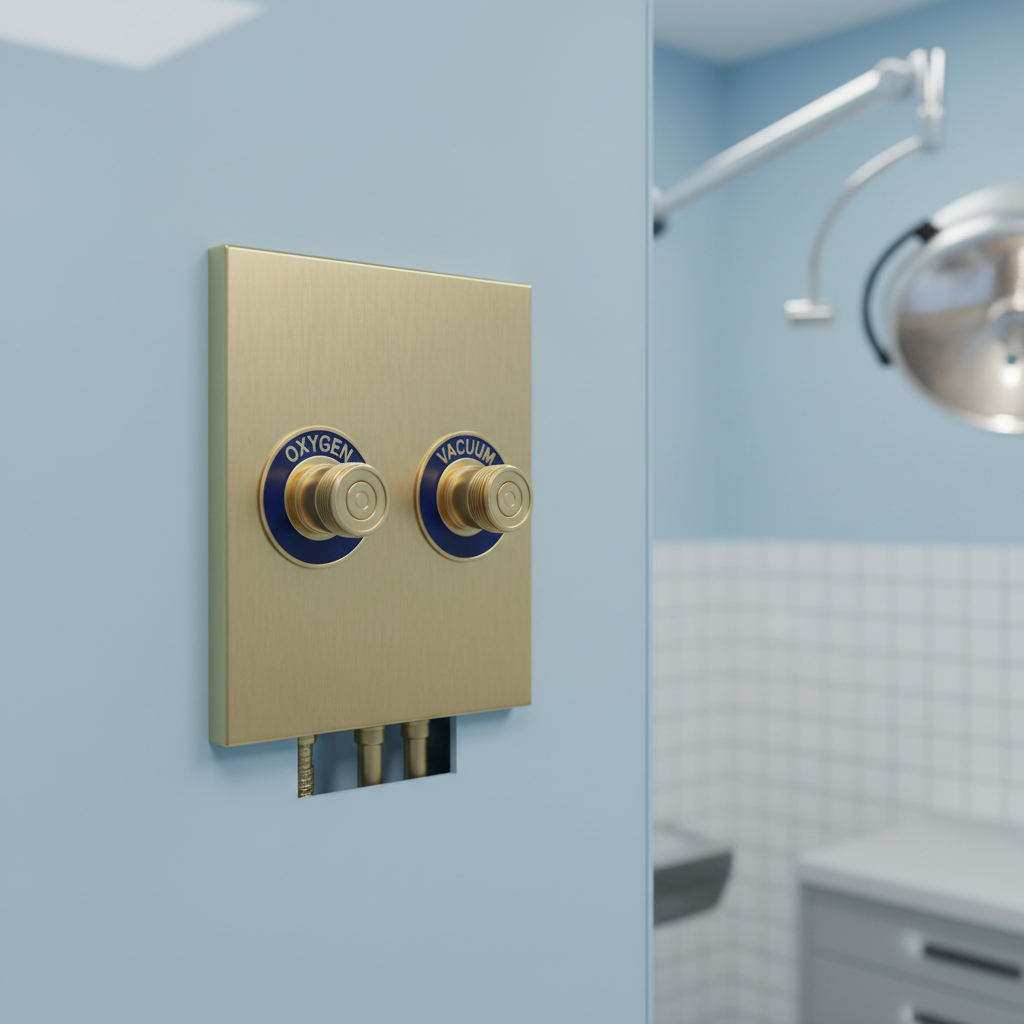
Oxygen is the most critical medical gas, used for patient resuscitation and as a carrier gas for inhalant anesthetics. Systems typically originate from high-pressure cylinders (H or K type) or a centralized liquid oxygen vessel. The gas is regulated down to a standard working pressure of 50-55 psi for delivery to operating rooms, treatment areas, and recovery cages.
Nitrous Oxide (N2O)
Used as an analgesic and anesthetic agent, particularly in dental procedures, nitrous oxide systems are similar in design to oxygen systems. They use high-pressure cylinders and a manifold to ensure a continuous, regulated supply. Proper scavenging is paramount when using N2O to protect staff from occupational exposure.
Medical-Surgical Vacuum
Surgical vacuum systems are essential for removing fluids and debris from the surgical site. Unlike a standard janitorial vacuum, a medical vacuum system must be continuous, reliable, and designed to prevent contamination. The system consists of a dedicated vacuum pump (or multiple pumps for redundancy), a receiver tank, and a network of piping leading to vacuum inlets in surgical and treatment areas.
Waste Anesthetic Gas Disposal (WAGD) / Scavenging
Perhaps the most overlooked yet critical system, WAGD removes exhaled anesthetic gases from the surgical environment. Active scavenging systems use a dedicated producer (like a vacuum pump or fan) to actively draw waste gases away from the anesthesia machine and vent them safely outside the building. This is vital for protecting veterinarians and technicians from the long-term health risks of anesthetic exposure, as mandated by OSHA.
Key Standards & Codes: NFPA 99 and ASSE 6000
Compliance is non-negotiable in medical gas installation. Several codes and standards govern the design, installation, and testing of these systems in veterinary facilities.
NFPA 99: Health Care Facilities Code
While often associated with human hospitals, the National Fire Protection Association's NFPA 99 code is the primary standard for medical gas systems in any healthcare setting, including veterinary clinics. For a typical vet clinic, the system would be classified as Level 3, which has less stringent requirements than a Level 1 human hospital but still mandates specific materials, installation practices, and verification procedures.
Why this matters for compliance: Adhering to NFPA 99 is crucial for patient safety, staff safety, and liability. In the event of an incident, a non-compliant installation can have severe legal and financial consequences. Local building authorities in Cary and across North Carolina will expect adherence to this code.
ASSE 6000 Series: Professional Qualifications
The American Society of Sanitary Engineering (ASSE) 6000 series outlines the certification requirements for individuals working with medical gas systems.
- ASSE 6010 Certified Installers: Only certified personnel are qualified to perform the physical installation of the piping, manifolds, and source equipment.
- ASSE 6030 Certified Verifiers: After installation is complete, a third-party verifier, like the experts at Medical Testing Solutions, must conduct a full medical gas verification to confirm system purity, pressure, flow, and alarm function before it can be used for patient care.