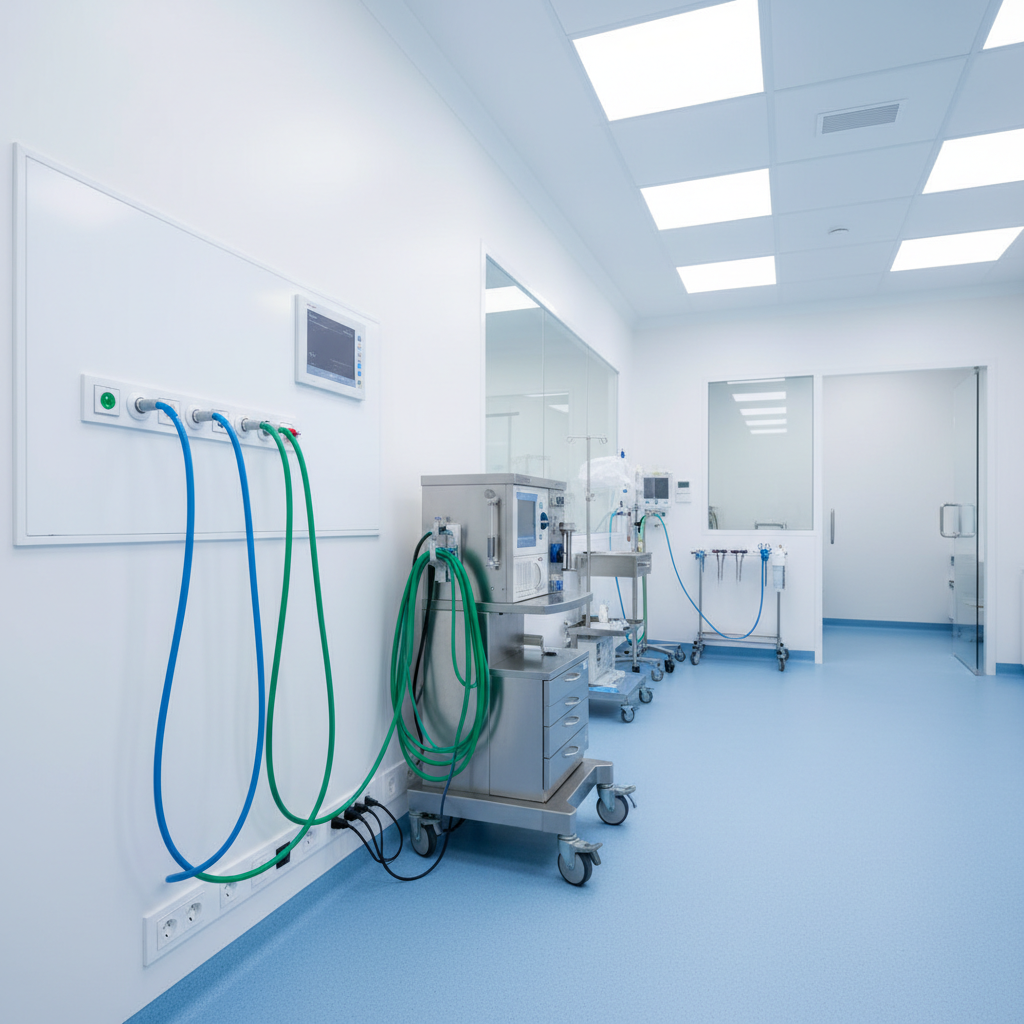
Veterinary Medical Gas Systems: An Overview for Bowling Green Clinics
Properly installed and maintained medical gas systems are a cornerstone of modern veterinary medicine, particularly for practices performing surgical procedures. These systems deliver vital gases like oxygen (O2) and nitrous oxide (N2O) and safely remove anesthetic waste and surgical fluids. For a veterinary clinic in Bowling Green, Kentucky, ensuring these systems are installed correctly isn't just a matter of operational efficiency, it's a critical component of patient safety, staff well-being, and regulatory compliance. This guide provides a comprehensive overview of the standards, components, and procedures for veterinary medical gas installation, helping you understand what it takes to build a safe and compliant surgical environment.
From understanding the specific requirements of the National Fire Protection Association (NFPA) to the importance of working with ASSE-certified technicians, you will learn the key considerations for designing, installing, and verifying a medical gas system that meets the rigorous demands of a veterinary surgical suite.
Core Components of a Veterinary Gas System
A typical veterinary medical gas system is a network of pipes, regulators, and outlets designed to deliver specific gases from a central source to the points of use. The most common systems include:
- Oxygen (O2): The most critical life-support gas, used for resuscitation and as a carrier for inhalant anesthetics.
- Nitrous Oxide (N2O): A common analgesic and anesthetic agent.
- Medical Vacuum: Used for surgical fluid removal and aspiration.
- Waste Anesthetic Gas Disposal (WAGD) / Scavenging: Actively removes exhaled anesthetic gases from the operating room, protecting veterinary staff from chronic exposure.
Gas Source and Storage
The system begins at the source. For a veterinary practice, this typically involves:
- High-Pressure Cylinders: Oxygen and nitrous oxide are often stored in H-cylinders. A manifold system with automatic switchover capability is essential to ensure an uninterrupted gas supply. When one bank of cylinders is depleted, the system automatically switches to the reserve bank, sending a signal to the master alarm panel.
- Liquid Oxygen Dewars: For higher volume needs, a small bulk liquid oxygen vessel may be more economical.
- Medical Vacuum Pump: A dedicated pump, often a duplex system with a backup, creates the necessary suction for the vacuum lines.
The Piping Network
The distribution network is the system's backbone. Per NFPA 99, all medical gas piping must be seamless, rigid copper tubing (Type K or L) and installed by qualified technicians. Proper brazing techniques with a nitrogen purge are crucial to prevent oxidation inside the pipes, which could otherwise introduce contaminants into the gas stream. All piping must be clearly labeled with the gas name and flow direction.
Why this matters for compliance: NFPA 99 (Health Care Facilities Code) is the primary standard governing medical gas systems. While historically focused on human healthcare, its principles are the accepted best practice and often legally mandated standard for veterinary facilities to ensure safety. Adhering to it is your first line of defense in liability and compliance.
The Installation Process: An ASSE 6010 Certified Approach
Simply hiring a plumber is not sufficient for medical gas installation. The process must be overseen and performed by individuals certified to the ASSE 6010 Medical Gas Systems Installer standard. This ensures the technician has the specialized training to work with these life-support systems.
The typical installation process follows these key stages:
- Design and Planning: Medical Testing Solutions works with your architects and builders to design a system tailored to your clinic's needs, ensuring proper pipe sizing, outlet placement, and source equipment location.
- Piping Installation: Certified installers run the copper lines from the source to the operating rooms, patient treatment areas, and recovery cages. Every joint is meticulously brazed and inspected.
- Component Installation: This includes installing the source manifolds, master and area alarm panels, zone valves, and terminal outlets (e.g., DISS, quick-connects) in each room.
- Initial Pressure Testing: Before the final verification, the installer performs a series of pressure tests to check for leaks in the piping network.
For any new construction or major renovation in Bowling Green, it's vital to engage a certified firm like Medical Testing Solutions early in the process.
Code Compliance Comparison: NFPA 99 vs. AVMA Guidelines
While the American Veterinary Medical Association (AVMA) provides guidelines for anesthesia, NFPA 99 provides the detailed, legally enforceable code for the gas delivery system itself. Understanding the interplay is key.
| Feature | NFPA 99 (2024 Edition) Requirement | AVMA Anesthesia Guidelines (2020) | Key Takeaway for Vets |
|---|---|---|---|
| System Verification | Required. Must be performed by an ASSE 6030 Verifier. Includes testing for purity, pressure, flow, and cross-connections. | Recommends regular evaluation of anesthesia equipment. | A full NFPA 99 verification is the industry standard and a non-negotiable step before patient use. |
| WAGD/Scavenging | Specifies performance requirements for WAGD inlets and disposal methods. | Strongly recommends active scavenging to limit staff exposure to waste gases. | Your system must not only have scavenging but be tested to ensure it works effectively. Consider WAG monitoring to validate performance. |
| Alarm Systems | Required. Master alarms for source issues, and area alarms for specific zones (e.g., surgical suite). | Recommends systems have features to prevent delivery of a hypoxic mixture. | Alarms are a life-safety feature. They must be tested and never disabled. |
| Installer-Performed Tests | Requires initial pressure tests by the ASSE 6010 installer before final verification. | N/A (Focuses on clinical use) | The installation contractor is responsible for the initial integrity of the pipes they install. |