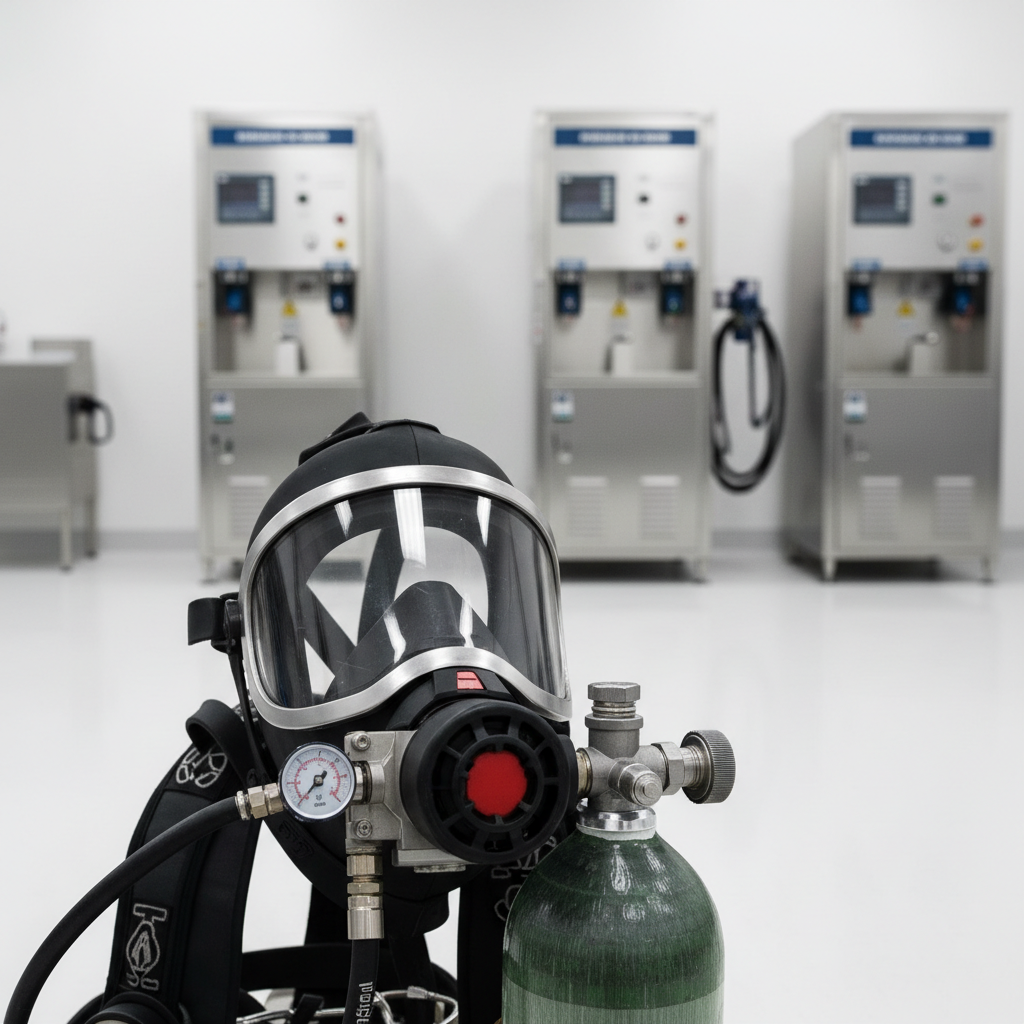
For fire departments and other emergency services that rely on Self-Contained Breathing Apparatus (SCBA), the quality of the air filling those cylinders is a matter of life and death. The National Fire Protection Association (NFPA) 1989 standard, "Standard on Breathing Air Quality for Emergency Services Respiratory Protection," sets the stringent requirements for this life-sustaining air. It's the definitive benchmark for ensuring that the air firefighters breathe is free from contaminants that could impair their health or performance in critical situations. This guide provides a comprehensive overview of the NFPA 1989 standard, detailing the required quarterly testing parameters, the sampling process, and how your department can maintain a state of constant audit-readiness. We will explore what gets measured, why it matters, and the steps to ensure your breathing air is safe, compliant, and ready for any emergency.
NFPA 1989 Breathing Air Testing: The Complete Guide for Fire Departments
What is NFPA 1989 and Why Does it Matter for Breathing Air?
NFPA 1989 is the industry-specific standard that dictates the minimum quality requirements for breathing air used by emergency service organizations. First established to create a safer environment for firefighters, its primary purpose is to prevent the introduction of harmful contaminants into the breathing air supply. Contaminated air can cause immediate health effects like dizziness and nausea or long-term respiratory problems. In a high-stress, physically demanding fire ground environment, the last thing a firefighter should worry about is the quality of the air in their SCBA pack.
The Scope of NFPA 1989
The standard applies to any organization that fills SCBA cylinders, including fire departments, municipal fill stations, and mobile air units. It specifically addresses the quality of the air after it has been compressed and is ready to be delivered to the cylinder. This means the standard evaluates the entire compression system, including the compressor itself, filtration, and storage vessels. Compliance isn't just about a single test; it's about a holistic approach to air system management and regular, documented verification.
Parallels with CGA Grade D and E Air
Many in the industry are familiar with the Compressed Gas Association (CGA) standards, particularly CGA G-7.1, which specifies grades for air quality. NFPA 1989 is largely harmonized with CGA Grade E air quality requirements, with some specific modifications tailored for the fire service. The core principle is the same: to limit contaminants to levels that are safe for human respiration under demanding conditions.
Why this matters for compliance: Failure to meet NFPA 1989 standards can have significant consequences beyond health risks. It can lead to liability issues, failing an audit, and potential decertification. Regular, documented testing by a qualified provider like Medical Testing Solutions is your first line of defense.
The Core Components of NFPA 1989 Air Quality Testing
To comply with the standard, breathing air must be tested at least quarterly (every three months) by an accredited laboratory. The test measures the concentration of several key components to ensure they fall within acceptable limits. This regular cadence ensures that any potential issue with the air compressor or filtration system is caught early before it becomes a significant risk.
Here is a breakdown of the maximum allowable contaminant levels as specified in NFPA 1989:
| Component | NFPA 1989 Maximum Limit | Notes |
|---|---|---|
| Oxygen (O2) | 20.9% ± 1% | Must be within the normal range for atmospheric air. |
| Carbon Monoxide (CO) | 5 ppm | Reduced from older standards to protect against toxicity. |
| Carbon Dioxide (CO2) | 1,000 ppm | Prevents physiological effects like increased heart rate. |
| Condensed Hydrocarbons (Oil) | 5 mg/m³ | Protects respiratory system from oil mist/particulates. |
| Moisture (Water Vapor) | 24 ppm v/v or -65°F dew point | Prevents regulator freeze-up in cold environments. |
| Odor | No pronounced odor | Air should be free of any noticeable smells. |
A Breakdown of Required Analytes
Each analyte measured during an NFPA 1989 test plays a crucial role in the overall safety and quality of the breathing air.
Oxygen (O2)
The oxygen content must be between 19.9% and 21.9%. This ensures the air is not oxygen-deficient, which can cause asphyxiation, nor oxygen-enriched, which can pose a fire hazard.
Carbon Monoxide (CO)
CO is a toxic gas produced by the incomplete combustion of carbon-containing fuels. It can enter an air system through compressor intake malfunction. NFPA 1989 sets a very low limit of 5 ppm to prevent CO poisoning.
Carbon Dioxide (CO2)
While a natural component of air, elevated CO2 levels can cause hyperventilation and reduce cognitive function. The limit is set at 1,000 ppm.
Condensed Oil & Particulates
Oil vapor or mist from improperly maintained compressors can be inhaled, causing respiratory distress. The standard limits this to 5 mg/m³.
Odor and Taste
There should be no discernible odor. The presence of an odor indicates a potential contamination problem that requires immediate investigation.
Moisture Content (Dew Point)
The amount of water vapor is critically important. Too much moisture can cause SCBA regulators to freeze and fail in cold weather. The standard requires a dew point of -65°F or lower, which is why a reliable annual medical gas inspection of your system is crucial.
The Quarterly Testing Process: Step-by-Step
Medical Testing Solutions simplifies the NFPA 1989 testing process. Our goal is to make compliance seamless and straightforward.
- Receive Your Test Kit: We ship a complete, easy-to-use air sampling kit directly to your firehouse or fill station.
- Collect the Sample: Following simple instructions, you'll connect the kit to your compressor or cascade system and collect an air sample.
- Ship it Back: Place the collected sample back in the provided pre-paid shipping box and send it to our accredited laboratory.
- Receive Your Results: Once the analysis is complete, we provide a detailed Certificate of Analysis via email, confirming your compliance or detailing any issues found. All documentation is stored securely for your records, keeping you audit-ready.
Ready to get started? Request a quote for our NFPA 1989 air testing program today.
Understanding Your Test Results and Staying Audit-Ready
A "Pass" result means your air meets or exceeds all NFPA 1989 requirements. This report is your proof of compliance and should be kept on file for at least five years. In case of a "Fail" result, the report will pinpoint exactly which analyte was out of spec. This allows you to take immediate corrective action, such as inspecting the compressor intake, changing filters, or scheduling professional service. Medical Testing Solutions can assist with this process, offering everything from medical gas maintenance services to complete system diagnostics.
Keeping detailed records of your quarterly tests, system maintenance, and any corrective actions is the key to being audit-ready. This documentation demonstrates a proactive approach to safety and compliance.
Beyond NFPA 1989: System Maintenance and Verification
Quarterly testing is a snapshot in time. It verifies the quality of your air at that moment. However, true safety and reliability come from a comprehensive maintenance program. The integrity of your breathing air system relies on proper initial installation and ongoing care.
At Medical Testing Solutions, our ASSE-certified technicians provide expert services to ensure your entire system is sound. This includes:
- ASSE 6010 Installation: Ensuring your medical gas systems are installed correctly from day one. Learn more about our medical gas installation services.
- ASSE 6030 Verification: A crucial step to confirm that a new or modified system performs to code before it goes into service. Read about our medical gas verification process.
- Preventative Maintenance: Regular checks and servicing of your compressors, filtration, and monitoring equipment to prevent failures before they happen.
Frequently Asked Questions
Request a quote for your facility
Talk with Medical Testing Solutions about your next inspection, repair or equipment request.