Medical Gas Verification in Bonita Springs FL: Your Guide to ASSE 6030 Compliance
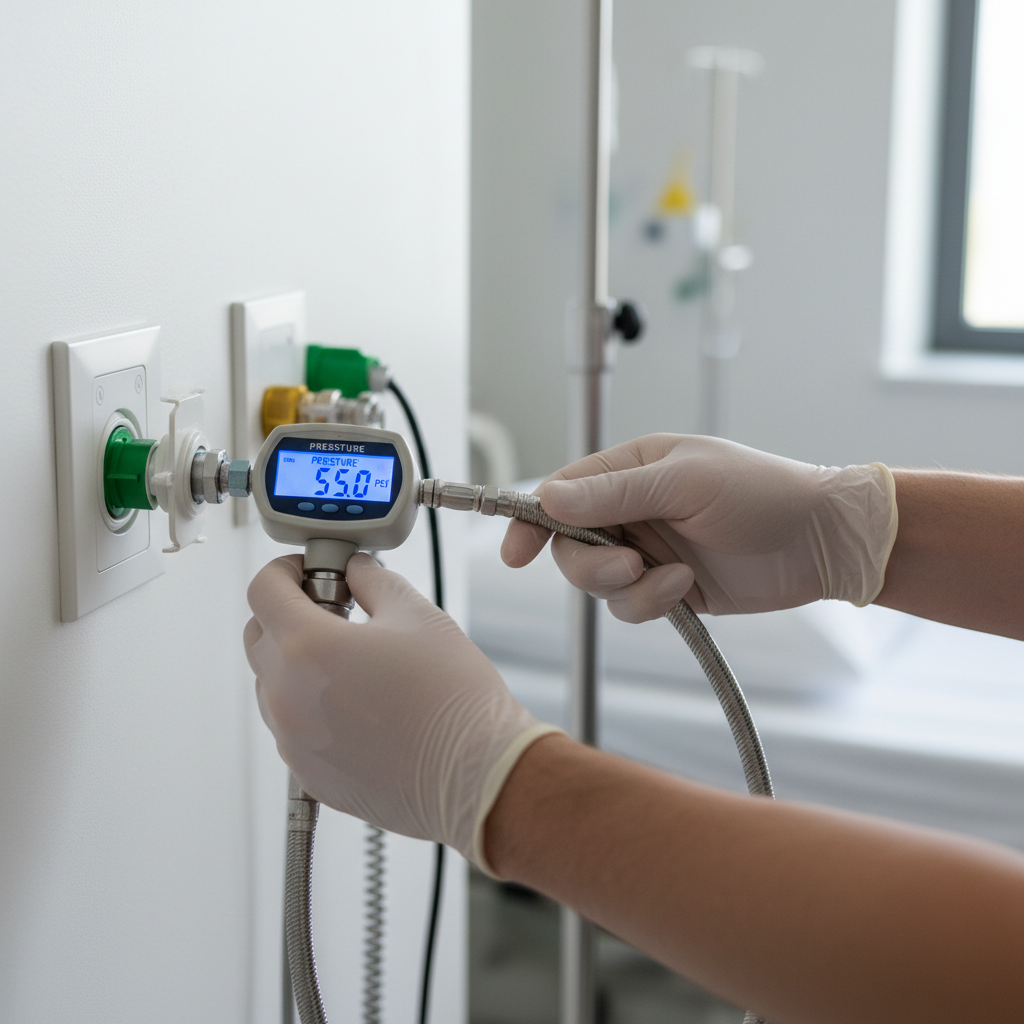
For any healthcare facility in Bonita Springs, from surgical centers to dental offices, a functional medical gas system is not a luxury—it's a life-sustaining utility. But how do you ensure that the oxygen, medical air, or nitrous oxide flowing through your walls is pure, delivered at the correct pressure, and free of contaminants? The answer is through professional medical gas verification. This process, governed by stringent standards, is the ultimate check on the safety and reliability of your piped gas infrastructure. This guide provides a definitive overview of the verification process, explaining why it's essential for patient safety, what the ASSE 6030 standard requires, and how to choose a certified partner in the Bonita Springs area.
What is Medical Gas Verification?
Medical gas verification is a series of tests performed on new or modified piped medical gas and vacuum systems. Its purpose is to confirm that the system is safe for patient use before it is put into service. It's a critical final step that follows the initial medical gas installation and must be performed by a certified, independent third party.
Verification is distinct from ongoing maintenance or general inspections. While annual medical gas inspections are vital for routine operational checks, verification is a more comprehensive and technical process. It serves to "verify" that the system was installed correctly and meets the strict purity and performance requirements outlined in the National Fire Protection Association's code, NFPA 99, Health Care Facilities Code. The ultimate goal is to ensure the integrity, purity, and proper function of the entire distribution system, from the source equipment to the patient-use outlets.
Why Annual Verification is Crucial for Bonita Springs Facilities
Patient safety is the absolute, number one reason for rigorous medical gas verification. A cross-connection, a contaminated pipeline, or incorrect gas concentration can lead to catastrophic patient outcomes. But beyond this primary concern, there are several other critical drivers for regular, professional verification.
Patient Safety & Risk Mitigation
The most dangerous failure in a medical gas system is a cross-connection, where, for example, a patient receives nitrogen instead of oxygen. Verification testing is designed specifically to detect these critical errors before they can cause harm. It also checks for particulates, contaminants, and incorrect pressure levels that could damage sensitive equipment like ventilators and anesthesia machines or pose a direct risk to patients.
Regulatory Compliance
Why this matters for compliance: NFPA 99 mandates that all new, modified, or repaired medical gas and vacuum systems be verified by a party technically competent and experienced in the field of medical gas system testing and meeting the requirements of ASSE 6030. Failure to comply can result in fines, loss of accreditation from bodies like The Joint Commission, and potentially, the shutdown of facility operations until the system is deemed safe.
Ensuring System Integrity after Construction or Modification
Even minor changes to your facility—a single new outlet, a relocated wall, or a system repair—can introduce contamination or compromise the integrity of the sealed, pressurized system. Residue from brazing, dust, and other particulates can enter the pipes during construction. Verification is the only way to ensure the system is clean and safe for use after any such work.
As a leading provider in Florida, Medical Testing Solutions has the certified personnel and advanced equipment to perform every test required by code, ensuring your system is 100% compliant and patient-ready.
The ASSE 6030 Standard: Who Can Perform Verification?
Not just anyone can or should perform medical gas verification. NFPA 99 explicitly requires that testing be conducted by a credentialed ASSE 6030 Medical Gas Verifier. This certification is issued by the American Society of Sanitary Engineering (ASSE) and is the industry's gold standard for competence.
An ASSE 6030 Verifier must have completed a rigorous training program and passed a comprehensive exam covering all aspects of medical gas systems, testing procedures, and safety protocols as defined by NFPA 99. The standard demands an impartial, third-party assessment. This means your installation contractor cannot verify their own work. This independent verification ensures there is no conflict of interest and that the results are unbiased and trustworthy. If you're interested in the qualifications required for technicians, you can learn more about the medical gas certification process.
The Verification Process: A Step-by-Step Overview
While every facility is unique, a full medical gas verification follows a standardized, systematic procedure to ensure every component of the system is checked thoroughly.
- Initial Documentation Review: The verifier will start by reviewing the system design drawings and the installer's paperwork to understand the layout and confirm the correct materials and procedures were used during installation.
- System Inspection: A visual inspection checks every accessible component, including source equipment (manifolds, air compressors, vacuum pumps), alarms, zone valves, and outlets/inlets to ensure they are correctly labeled and installed.
- Initial Pressure Testing: Before introducing medical gases, the system is typically pressurized with dry, oil-free nitrogen to check for leaks. The system must hold pressure for a set period without any drop.
- Piping Purge Test: The system is purged at a high flow rate to blow out any particulate matter left over from the installation process.
- Gas-Specific Testing: Once gases are introduced, the verifier conducts a battery of tests to confirm gas identity at each outlet, ensuring no cross-connections exist.
- Purity & Contaminant Analysis: Samples are taken to test for purity, dew point (moisture), and the presence of specific contaminants.
- Alarm Testing: Every local and master alarm panel is tested to ensure it activates at the correct high/low pressure setpoints.
- Final Reporting & Certification: Once all tests are passed, the verifier provides a comprehensive report detailing the results and officially certifies the system as safe for patient use.
Key Tests in a Medical Gas Verification Audit
The following table outlines some of the core tests performed during a verification audit, as specified by NFPA 99. These procedures are complex and require specialized, calibrated equipment.
| Test Type | Applicable Gas Systems | NFPA 99 Reference (Ch. 5) | Purpose |
|---|---|---|---|
| Piping Purity | All gas systems | 5.1.12.3.9 | To ensure no contaminants were introduced during installation. |
| Particulate Test | All gas and vacuum systems, at each outlet | 5.1.12.3.5 | To verify the absence of solid contaminants by filtering a large volume of gas. |
| Gas Concentration | All gas systems, at each outlet | 5.1.12.3.11 | To verify the specific gas is present and meets minimum purity requirements (e.g., Oxygen ≥ 99%). |
| Pressure Test | All gas systems | 5.1.12.2 | To confirm the system can hold pressure without leaks for a 24-hour period. |
| Alarm Testing | All systems with master and area alarm panels | 5.1.9 | To ensure all warning systems function correctly to alert staff of abnormal pressure conditions. |
| System Purge | All gas systems | 5.1.12.2.4 | To use high-velocity gas flow to remove any fine particulate matter remaining in the piping. |
Choosing Your Verification Partner in Bonita Springs
The safety of your patients is on the line, so choosing the right verification partner is a critical decision. Here’s what to look for:
- Credentials: Insist on an ASSE 6030 Certified Verifier. Ask to see their current credentials.
- Experience & Reputation: Look for a company with a long track record of working with healthcare facilities in Florida. They should understand the specific requirements and challenges of the region.
- Thorough Reporting: A professional verifier will provide a detailed, multi-page report that documents every test performed and its result. This report is a crucial part of your compliance documentation.
- Cost & Value: While cost is a factor, it should not be the only one. Medical Testing Solutions is proud to offer same-day quotes and no travel fees anywhere in Florida, providing exceptional value and transparent pricing for facilities in Bonita Springs and throughout Lee County.
FAQs about Medical Gas Verification
How often is medical gas verification required?Verification is required for any new system, or whenever a system is extended, modified, or repaired. It is not based on a time interval like annual inspections unless work has been performed on the system.
What's the difference between verification and certification?Verification is the process of testing a system. Certification is the outcome—the final documentation provided by the verifier that attests the system has passed all tests and is safe for use.
Can our own maintenance staff perform the verification?No. NFPA 99 requires an independent, third-party verifier who is ASSE 6030 certified and is not employed by the installing contractor or the facility itself. This ensures an unbiased assessment.
How long does a full medical gas verification take?The duration depends on the size and complexity of the system. A small dental office modification may take a few hours, while a new hospital wing can take several days of systematic testing.
What happens if my system fails verification?If a failure occurs, the verifier will document the issue in their report. The responsible contractor must then correct the deficiency (e.g., repair a leak, re-braze a joint, fix a cross-connection), and the system must be re-tested until it passes before it can be certified for patient use.
Your Partner for Compliance in Bonita Springs
Ensuring your medical gas systems are safe and compliant is a non-negotiable responsibility. From initial installation reviews to final system certification, the process requires expertise, precision, and a deep understanding of NFPA codes. For healthcare facilities in Bonita Springs, Medical Testing Solutions is your local, certified partner for ensuring system integrity.
Ready to ensure your facility's compliance and safety? Request a quote for your project and get a same-day estimate with no hidden travel fees. For immediate assistance, contact us today or call us at +1 (754) 315-1078 to speak with a specialist.
'''
This article is provided for educational purposes and reflects industry standards as of publication. Always verify against current NFPA 99, CGA, and AHJ requirements. Medical Testing Solutions is ASSE-certified and ready to help — contact us for facility-specific guidance.
Need Medical Gas Services?
Contact our certified team for inspections, verifications, installations, and more.
Get a Free Quote