NFPA 99 mandates that all medical gas systems, including surgical nitrogen, undergo rigorous testing and verification before being used for patient care. For healthcare facilities in Jupiter, Florida, ensuring these systems are installed and functioning correctly is not just a matter of compliance, it's a critical component of patient safety. This guide provides a definitive overview of the hospital nitrogen system testing process, from initial installation verification to ongoing purity analysis, as outlined by ASSE 6000 standards.
Medical Gas Service
Compliance & Standards
Hospital Nitrogen System Testing in Jupiter, FL: A Guide to NFPA 99 Verification
Medical Testing SolutionsOctober 13, 20265 min read
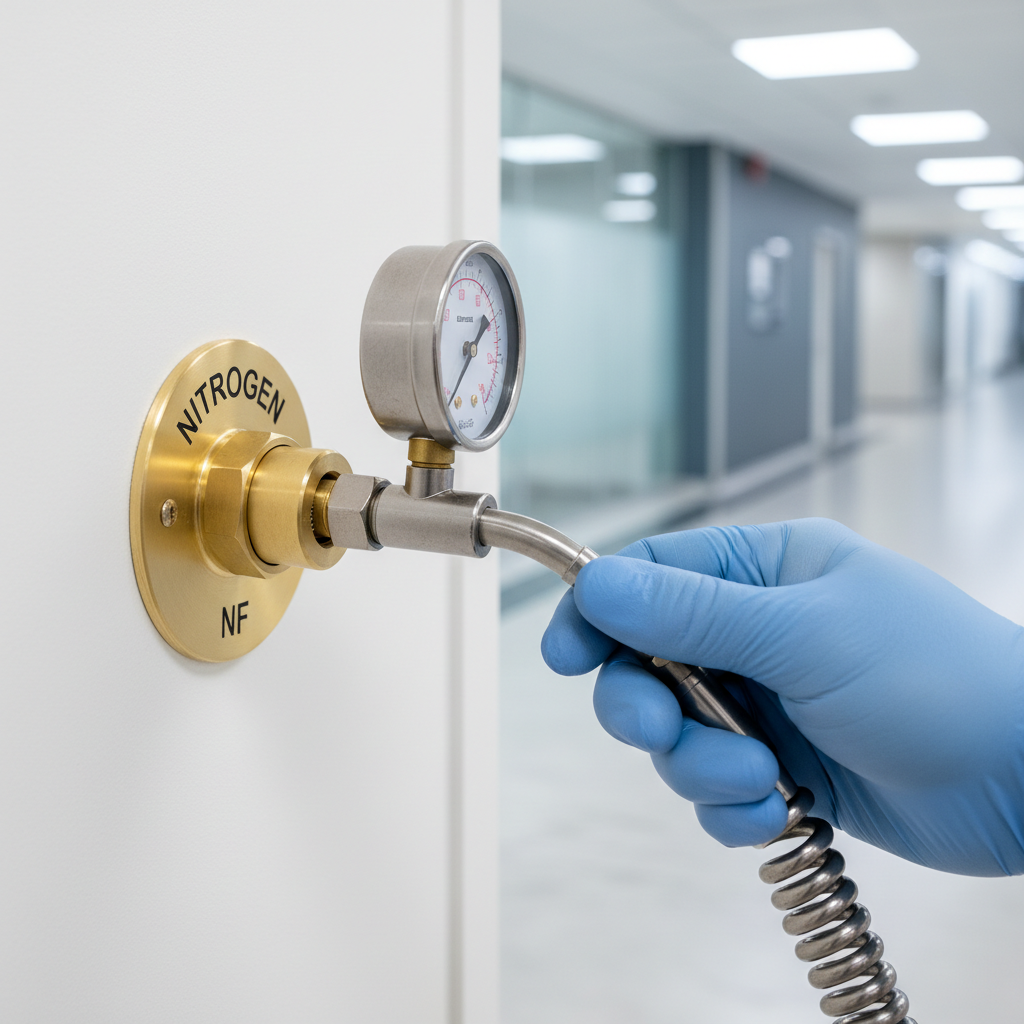
The Role of Nitrogen (NF) in a Hospital Setting
Nitrogen in its medical-grade form (Nitrogen, NF - National Formulary) is a critical utility in surgical settings. Unlike medical air or oxygen, its primary role is to power surgical tools and equipment. Because it is an inert gas, it provides a safe, reliable, and dry source of pneumatic pressure for a variety of high-powered medical devices.
Common Applications:
- Pneumatic Surgical Tools: Drills, saws, and other instruments used in orthopedic and neurological procedures.
- Instrument Air: Though often supplied by a dedicated "instrument air" compressor, nitrogen is a suitable and often-used alternative for powering automated equipment.
- Pressure Regulation: Used to calibrate and test other medical devices.
Why This Matters for Compliance: Per NFPA 99, Health Care Facilities Code, any gas used to power surgical tools must meet specific purity and pressure standards. A failure in the nitrogen system can lead to equipment malfunction during a critical procedure, posing a direct risk to patient safety. Proper medical gas verification by an ASSE 6030 certified technician is the only way to confirm a system is safe for use.
Understanding the Nitrogen System Verification Process (ASSE 6030)
Before a new or modified nitrogen system can be placed into service, it must be "verified" by an independent, third-party ASSE 6030 Certified Medical Gas Verifier. This is not a simple check; it's a comprehensive battery of tests to ensure the system is safe, from the source equipment to the wall outlet. Medical Testing Solutions provides ASSE 6030 verification services across South Florida.
Key Stages of Verification:
- Initial Piping Inspection: The verifier first ensures the piping distribution system is correctly installed per NFPA 99 and local codes. This includes checking for proper pipe material (Type K/L copper), brazing quality (using nitrogen purge), and labeling.
- Pressure Testing: The system is subjected to a high-pressure test (1.5x working pressure) to check for any leaks in the piping network. This ensures the integrity of the joints and prevents gas loss.
- Cross-Connection Testing: This is a critical safety test. The verifier ensures that the nitrogen outlets are connected only to the nitrogen source and not accidentally crossed with any other medical gas, like oxygen or medical air.
- Purity and Quality Testing: A sample of the gas is taken from the outlets to test its composition and purity. This ensures the gas meets the stringent requirements for Nitrogen NF as defined by the US Pharmacopeia (USP).
Nitrogen Purity Testing: What Are We Looking For?
Purity testing confirms that the gas being delivered to the surgical suite is, in fact, medical-grade nitrogen and free from contaminants. The test is performed using specialized analyzers.
Contaminants Tested For:
- Oxygen (O2): The presence of oxygen indicates a potential cross-connection or a failure at the source.
- Carbon Monoxide (CO) & Carbon Dioxide (CO2): These can indicate issues with the source equipment or contamination from the ambient environment.
- Moisture (Dew Point): High moisture content can damage expensive surgical tools and create an environment for bacterial growth within the pipeline. NFPA 99 has strict limits on the allowable dew point.
- Particulate Matter: The test verifies that the pipeline is free of any construction debris or other particulates that could foul equipment.
This rigorous process ensures that every component of your facility's nitrogen system, from the source to the patient-care area, is fully compliant and safe. Our annual medical gas inspections can help maintain this level of safety long after the initial verification.
Comparing Nitrogen Source Equipment: Manifolds vs. Generators
Hospitals in Jupiter have two primary options for their nitrogen NF supply: high-pressure cylinder manifolds or on-site nitrogen generators. Each has distinct operational and cost profiles.
| Feature | High-Pressure Cylinder Manifold | Nitrogen Generator (PSA) |
|---|---|---|
| Upfront Cost | Lower | Higher |
| Operating Cost | High (ongoing cylinder rental/delivery) | Low (electricity to operate) |
| Supply Chain | Reliant on gas supplier deliveries | Independent, generated on-site |
| Footprint | Requires significant, secure storage | Smaller, integrated into equipment room |
| Purity | USP Grade (as delivered) | USP Grade (with proper filtration/maintenance) |
Choosing the right source depends on a facility's size, surgical caseload, and capital budget. Medical Testing Solutions can help you evaluate your needs and also provides medical gas installation services for either system type.
The Importance of ASSE 6000 Certification
The American Society of Sanitary Engineering (ASSE) 6000 series provides the professional qualifications for individuals working with medical gas systems. When seeking a company for hospital nitrogen system testing in Jupiter FL, ensuring their technicians hold the correct credentials is non-negotiable.
- ASSE 6010 Certified Installers: Qualified to perform the physical installation of the piping systems.
- ASSE 6030 Certified Verifiers: Qualified to perform the third-party verification testing detailed above.
- ASSE 6040 Certified Maintenance Personnel: Qualified to perform ongoing maintenance and repairs on the systems.
At Medical Testing Solutions, our team holds these critical certifications, ensuring every job is done to the highest standard of safety and compliance.
Get a Quote for Nitrogen System Testing in Jupiter, FL
Ensuring your medical gas systems are compliant and safe is our top priority. The team at Medical Testing Solutions has provided ASSE-certified medical gas services, including verification, installation, and maintenance services, to healthcare facilities across Florida for over 40 years. If you need to schedule a verification for your nitrogen system or have questions about NFPA 99 compliance, we are here to help.
Contact our certified experts today for a free, no-obligation quote. Call us at (754) 315-1078 or request a quote online to get started.
Frequently Asked Questions
A full ASSE 6030 verification is required for any new installation, modification, or addition to a medical gas system. After that, annual inspections of the source equipment, alarms, and pressure regulators are required by NFPA 99. Purity does not need to be re-verified annually unless a system breach is suspected.
No. NFPA 99 requires that system verification be performed by a party that is independent of the installer and the facility. The verifier must be ASSE 6030 certified.
If a system fails any part of the verification, it cannot be put into service. The verifier will issue a report detailing the deficiencies, which must be corrected by an ASSE 6010 installer. The system must then be re-tested before it can be certified as safe.
Both are used to power surgical tools. Nitrogen NF is supplied in cylinders or from a generator at 99.0% purity. Instrument Air is compressed from the ambient air by a special compressor with dryers and filters to achieve the required pressure and dew point. While they can often be used interchangeably, the source equipment and maintenance requirements differ.
Request a quote for your facility
Talk with Medical Testing Solutions about your next inspection, repair or equipment request.