Comprehensive Medical Gas Testing in Wellington, FL: An NFPA 99 Guide
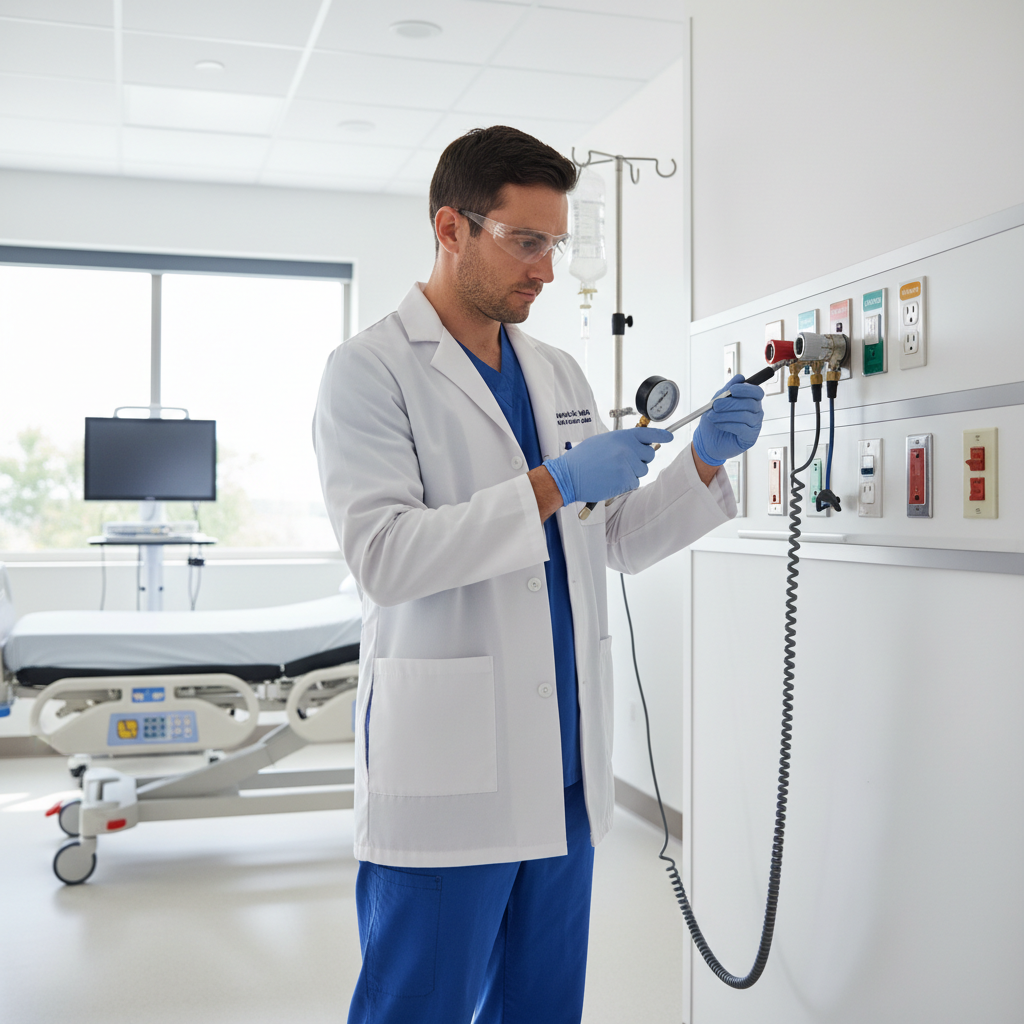
Medical gas systems are a critical life-support utility in any healthcare setting. From oxygen and medical air to nitrous oxide and surgical tool nitrogen, these gases are integral to patient care. However, their potential for harm is just as significant as their capacity for healing if the systems delivering them are compromised. For healthcare facilities in Wellington, Florida, rigorous medical gas testing isn't just a best practice—it's a mandate for patient safety and regulatory compliance. This definitive guide explains the critical requirements of NFPA 99, the different types of testing, which facilities are affected, and how to partner with an ASSE-certified provider to ensure your systems are safe, accurate, and fully compliant.
What is Medical Gas Testing and Why is it Critical?
Medical gas testing is the process of verifying and inspecting the components of a medical gas system to ensure it operates safely and meets the strict standards set by the National Fire Protection Association (NFPA). This involves checking everything from the source equipment (like oxygen tanks and air compressors) to the piping, alarms, and patient-use outlets at the wall.
The Lifeblood of Your Healthcare Facility
The primary gases found in a hospital, ambulatory surgery center (ASC), or dental clinic include:
- Oxygen (O2): Used for resuscitation and inhalation therapy.
- Medical Air: A compressed air source used for patient respiration, often mixed with other gases.
- Nitrous Oxide (N2O): An anesthetic and analgesic agent, commonly used in dental and surgical procedures.
- Nitrogen (N2): Used to power surgical tools and pneumatic equipment.
- Carbon Dioxide (CO2): Used for insufflation during minimally invasive surgery.
- Medical Vacuum: Used to remove fluids and other materials from the patient's airway or surgical site.
A failure in any of these systems can have immediate and catastrophic consequences. The core purpose of testing is to mitigate risks such as cross-connections, contamination, improper gas concentration, and inadequate pressure or flow, all of which pose a direct threat to patient lives.
Understanding NFPA 99 Medical Gas Testing Requirements
NFPA 99, "Health Care Facilities Code," is the primary standard governing medical gas and vacuum systems. It outlines specific testing protocols that must be performed by qualified individuals. The requirements generally fall into two categories: initial verification for new systems and ongoing inspections for existing ones.
System Verification (ASSE 6030) for New Installations
Before any new or modified medical gas system can be used for patient care, it must undergo a thorough series of tests known as verification. This process is conducted by a third-party ASSE 6030 Certified Medical Gas Verifier who is independent of the installer. The goal is to confirm the system was installed correctly and is safe to use. Key verification steps include:
- Initial Piping Tests: Checking for leaks and ensuring the piping can withstand required pressures.
- Cross-Connection Tests: Confirming that gases cannot flow from one system to another.
- Purity & Concentration Tests: Verifying that the correct gas is present at each outlet and meets the purity standards defined by the United States Pharmacopeia (USP).
- Alarm Testing: Ensuring that all warning systems for pressure, flow, and supply changes are functioning correctly.
For facilities undertaking new construction or renovations, partnering with a firm like Medical Testing Solutions for medical gas verification is a critical final step before patient occupancy.
Annual Inspections for Existing Systems
For systems already in service, NFPA 99 requires regular inspections to ensure they continue to operate safely. These inspections are typically performed annually and are less intensive than a full verification. An ASSE 6020 certified inspector or ASSE 6040 certified maintenance technician will check:
- Function of pressure switches and alarms.
- Proper operation of outlets and inlets.
- Gas pressures and vacuum levels.
- Labeling of system components.
- Condition of source equipment.
These annual medical gas inspections are essential for preventative maintenance and ensuring long-term compliance.
Who Needs Medical Gas Testing in Wellington?
The standards for medical gas testing apply to any facility where patients are rendered helpless by anesthesia or medical condition. This includes a wide range of Wellington-area facilities:
- Hospitals: The most complex systems, requiring diligent testing across all departments.
- Ambulatory Surgery Centers (ASCs): Subject to the same rigorous standards as hospitals for their surgical and recovery areas.
- Dental Clinics: Offices that use nitrous oxide/oxygen sedation systems must comply with NFPA 99.
- Veterinary Clinics: While not always subject to the same human-centric regulations, best practices for animal safety mirror the NFPA 99 standards, especially for veterinary anesthesia equipment.
Verification vs. Inspection vs. Certification: Key Differences
Understanding the terminology is crucial for facility managers. While often used interchangeably, these terms have distinct meanings under ASSE and NFPA standards.
| Feature | Verification | Inspection | Certification |
|---|---|---|---|
| Trigger | New build, addition, or system modification | Routine, typically annual | Professional credentialing |
| ASSE Standard | ASSE 6030 | ASSE 6020 / ASSE 6040 | ASSE 6000 Series (6010, 6030, etc.) |
| Purpose | Confirm a new system is 100% safe and ready for patient use | Check an existing system for ongoing safety and function | Prove an individual has the knowledge to install, test, or maintain systems |
| Provider | A third-party testing agency | A service company or in-house personnel | A national credentialing body |
Why this matters for compliance: Using an individual who only holds an ASSE 6010 Installer certification to perform the final ASSE 6030 verification is a direct violation of NFPA 99. The code mandates a qualified, third-party verifier to prevent conflicts of interest and ensure unbiased testing results. An improper verification can invalidate your system's compliance and put your facility's accreditation at risk.
Choosing a Certified Medical Gas Testing Provider in Wellington, FL
Your choice of a testing partner is critical. The safety of your patients and compliance of your facility depend on their expertise.
The Importance of ASSE 6000 Series Certification
Always insist on a provider whose technicians are certified to the ASSE 6000 series standards. An ASSE 6030 certification is non-negotiable for system verification, and an ASSE 6040 certification is required for competent medical gas maintenance services. This certification proves the technician has undergone extensive training and passed a rigorous exam on the nuances of NFPA 99.
Medical Testing Solutions employs a team of ASSE-certified professionals who are experts in all aspects of medical gas systems, from installation and verification to ongoing maintenance and medical gas certification support.Questions to Ask Your Testing Company
- Are your technicians ASSE 6030 and ASSE 6040 certified? Can you provide proof?
- What is your experience with facilities like mine in the Wellington area?
- What type of documentation and reporting will I receive after the testing is complete?
- How soon can you schedule an inspection or verification?
FAQs about Medical Gas Testing
How often do my medical gas systems need to be tested?According to NFPA 99, existing systems require a routine inspection, typically conducted annually. However, a full system verification is mandatory anytime a new system is installed or an existing one is modified.
What gases require testing?All gases used for medical purposes in a patient care setting must be tested. This includes, but is not limited to, Oxygen, Medical Air, Nitrous Oxide, Carbon Dioxide, Nitrogen, and the medical vacuum system.
Who is qualified to perform medical gas testing?Only individuals with current, appropriate ASSE 6000 series credentials can legally and safely perform these services. An ASSE 6030 Verifier is required for verifications, and an ASSE 6040 Maintenance Person is qualified for specific maintenance tasks.
What happens if my system fails a test?If a system fails any part of the verification or inspection, it cannot be placed into service. The certified technician will document the failure and provide a detailed report. The issue must be corrected by a qualified installer, and the system must be re-tested and pass before it can be used for patient care.
Does this apply to my dental office in Wellington?Absolutely. If your dental practice utilizes a nitrous oxide and oxygen system for patient sedation, that system must be installed, verified, and maintained in accordance with NFPA 99. This is critical for patient safety and liability.
Your Partner for Compliance in Wellington, FL
Navigating the complexities of NFPA 99 and ensuring the absolute safety of your medical gas systems requires a dedicated, expert partner. From Jupiter to Fort Lauderdale, facilities trust Medical Testing Solutions for our unwavering commitment to standards and safety. Our ASSE-certified team has the expertise to handle everything from initial verification of a new surgical center to the annual inspections of a hospital's complex network.
Don't leave patient safety to chance. Ready to ensure your Wellington facility is safe, compliant, and ready for patient care? Contact the experts at Medical Testing Solutions today for a comprehensive quote on your medical gas testing needs. Call us at +1 (754) 315-1078 or request a quote online to get started.
'''
This article is provided for educational purposes and reflects industry standards as of publication. Always verify against current NFPA 99, CGA, and AHJ requirements. Medical Testing Solutions is ASSE-certified and ready to help — contact us for facility-specific guidance.
Need Medical Gas Services?
Contact our certified team for inspections, verifications, installations, and more.
Get a Free Quote