Medical gas systems are the silent, critical lifelines of any healthcare facility. From oxygen delivered to a patient in distress to the vacuum systems used in operating rooms, their flawless function is non-negotiable. For hospitals, ambulatory surgery centers (ASCs), and dental clinics in Pompano Beach, Florida, ensuring these systems are safe, pure, and effective is a matter of patient safety and regulatory compliance. This comprehensive guide covers the essential requirements for medical gas testing under NFPA 99, the role of ASSE 6000 certifications, and how to ensure your facility meets the highest standards of care. You will learn the different types of testing, the certification process, and what to look for in a qualified testing partner.
Medical Gas Testing in Pompano Beach, FL: A Guide to NFPA 99 Compliance
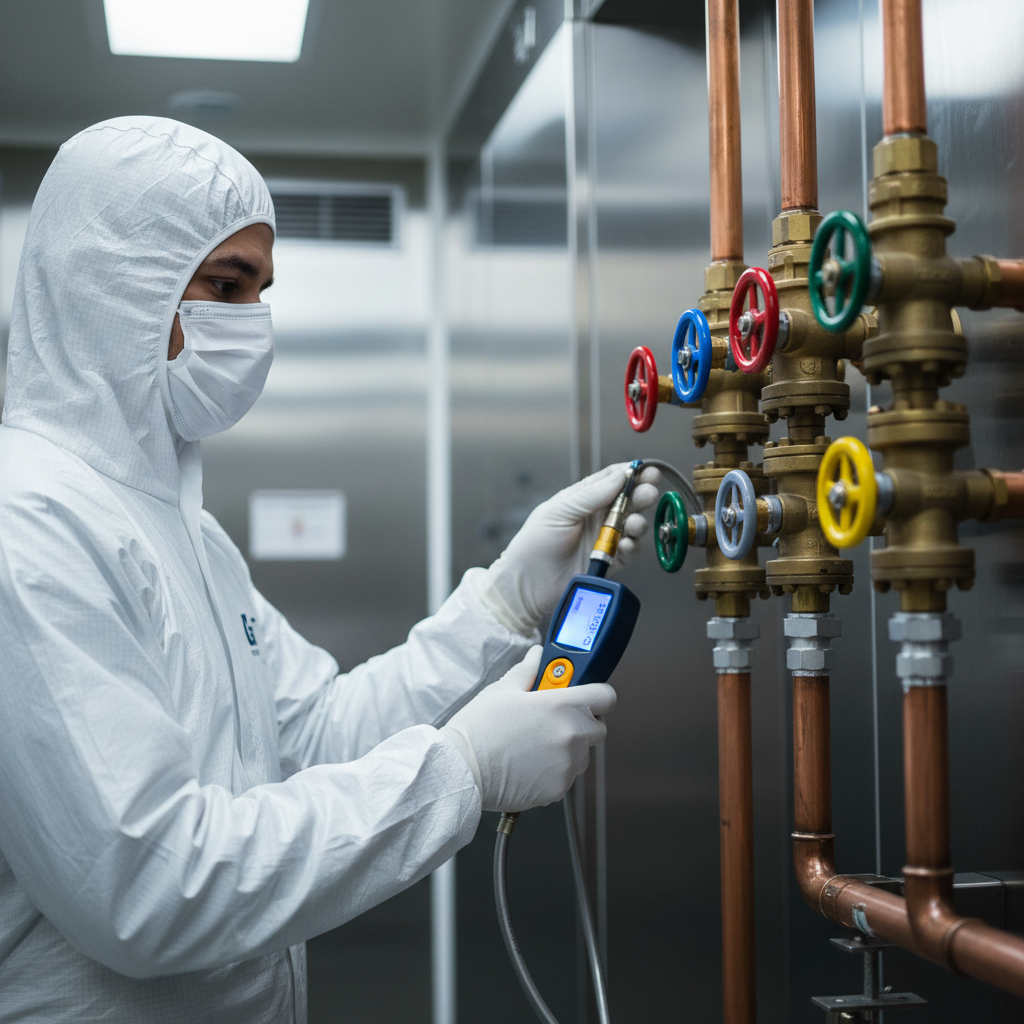
Understanding Medical Gas Systems: The Lifeline of Your Facility
A medical gas system is more than just pipes in a wall; it's a complex network designed to deliver specific gases or create suction reliably and safely. Understanding the basic components is key to appreciating the importance of rigorous testing.
What Are Medical Gases?
These are gases administered to patients for medical or anesthetic purposes. They are regulated as drugs by the FDA. The most common piped gases include:
- Oxygen (O2): Used for resuscitation and respiratory therapy.
- Medical Air: A purified blend of compressed air used for patient respiration, often in neonatal intensive care units (NICUs).
- Nitrous Oxide (N2O): An analgesic and anesthetic gas, commonly used in dental and surgical procedures.
- Carbon Dioxide (CO2): Used for insufflation during certain surgeries.
- Nitrogen (N2): Used to power surgical tools.
- Medical Vacuum: A suction system used to remove fluids and debris from a patient's airway or a surgical site.
Key Components of a Piped System
- Source Equipment: This includes bulk oxygen tanks, air compressors, vacuum pumps, and manifolds where cylinders are connected.
- Piping Distribution Network: Typically made of high-purity copper, these pipes transport the gases from the source to patient care areas.
- Valves: Zone and source valves are installed to control gas flow and allow sections of the system to be isolated for maintenance or in an emergency.
- Alarms: Master and area alarms monitor gas pressure and vacuum levels, providing audible and visual alerts if they fall outside a safe range.
- Outlets/Terminals: These are the color-coded and gas-specific connection points in patient rooms and operating theaters where medical devices are attached.
The Critical Role of NFPA 99 in Medical Gas Safety
The National Fire Protection Association (NFPA) 99, Health Care Facilities Code, is the cornerstone standard for medical gas and vacuum systems in the United States. It provides the minimum criteria for the installation, performance, and maintenance of these critical systems.
What is NFPA 99? An Overview
NFPA 99 establishes a risk-based approach to healthcare facility safety. Instead of a one-size-fits-all set of rules, it categorizes systems based on the potential risk to patients, staff, or visitors if the system were to fail. A failure of the oxygen system in a critical care unit carries a much higher risk than in a physical therapy room, and the code reflects that.
Why this matters for compliance: Adhering to NFPA 99 is not optional. It is the accepted standard of care enforced by regulatory bodies like The Joint Commission (TJC), Det Norske Veritas (DNV), and Florida's Agency for Health Care Administration (AHCA). Non-compliance can lead to failed inspections, citations, costly project delays, and immediate patient safety risks.
Types of Medical Gas Testing: From Installation to Annual Checks
Medical gas testing isn't a one-time event. It occurs at different stages of a system's life to ensure ongoing safety and functionality.
Initial Verification (ASSE 6030) for New Installations
This is the most intensive form of testing. Before a new or modified medical gas system can be used for patient care, it must be thoroughly tested and "verified" by an independent, third-party technician certified to the ASSE 6030 standard. This process confirms the system was installed correctly and is safe to use. You can learn more about this detailed process at our medical gas verification page.
Periodic & Annual Inspections for Existing Systems
Ongoing, routine inspections are required to ensure the continued integrity of medical gas systems. These inspections check for component degradation, proper pressure and flow, and alarm functionality. An annual medical gas inspection is a best practice and a requirement for many accrediting organizations. Medical Testing Solutions provides these thorough annual inspections for facilities across South Florida.
The Medical Gas Verification Process (ASSE 6030)
The ASSE 6030 verification is a systematic, multi-step process that leaves no stone unturned. A certified verifier will perform a battery of tests, including:
- Initial Pressure Test: Confirms the piping is free of leaks after installation.
- Cross-Connection Test: Ensures that the gas delivered at an outlet is the correct gas (e.g., oxygen only comes out of the oxygen outlet).
- Valve and Alarm Tests: Verifies that all shut-off valves work correctly and that all master and area alarms function as intended.
- Purity and Concentration Analysis: Confirms that the gases meet the stringent purity requirements of the U.S. Pharmacopeia (USP).
- Particulate Testing: Checks for any solid contaminants within the piping.
- Final Documentation: The verifier provides a comprehensive report detailing the results of every test. This documentation is crucial for accreditation and regulatory review.
Choosing a Certified Testing Partner in Pompano Beach
Not just anyone can or should test your medical gas systems. The complexity and criticality demand specialized expertise.
Why ASSE 6030 Certification is Non-Negotiable
ASSE 6030, Medical Gas Systems Verifier, is the industry benchmark certification. It ensures the technician has undergone extensive training and passed a rigorous exam covering all aspects of NFPA 99 testing procedures. Hiring an uncertified individual or firm puts your facility and patients at significant risk. The team at Medical Testing Solutions holds ASSE 6030 certification, providing facilities in Pompano Beach with the highest level of expertise.
Medical Gas System Standards: NFPA 99 vs. ASSE 6000
NFPA 99 sets the what, the safety requirements. The ASSE 6000 series of standards define the who, the qualifications required for personnel who install, inspect, verify, and maintain these systems.
| Standard | Focus | Who It's For | Key Requirement |
|---|---|---|---|
| NFPA 99 | Overall system safety, performance, and installation criteria. | Healthcare Facilities, Designers, Installers | Defines risk categories and sets minimum safety standards for all med gas systems. |
| ASSE 6010 | Installation | Medical Gas Installers | Certifies individuals who perform the physical installation and brazing of medical gas piping. |
| ASSE 6030 | Verification | Third-Party Verifiers | Certifies individuals who test and verify new or modified systems. This is the core of medical gas verification. |
| ASSE 6040 | Maintenance | Facility Maintenance Personnel | Certifies individuals who perform routine maintenance on medical gas systems. |
Specialized Testing for South Florida Healthcare Facilities
Different healthcare settings have unique needs when it comes to medical gas systems.
Dental Clinic Gas Systems
Dental clinics in Pompano Beach using nitrous oxide/oxygen for patient sedation must ensure their systems are safe and accurate. This includes not just the piping but the flowmeters themselves, which require regular calibration. For specialized services, visit our page on dental flowmeter repair and calibration.
Line Isolation Monitor (LIM) Testing
Operating rooms and other "wet procedure locations" are required to have isolated power systems to protect patients and staff from electric shock. Line Isolation Monitors (LIMs) are a critical part of these systems and require annual testing. Learn more about this crucial service on our Line Isolation Monitor Testing page.
Your Partner for Compliance in Pompano Beach
Ensuring your medical gas systems are compliant is a critical responsibility. For comprehensive medical gas testing in Pompano Beach, FL, trust the ASSE-certified experts at Medical Testing Solutions. We provide thorough, compliant testing, maintenance, and certification for hospitals, dental clinics, and surgery centers across South Florida. Protect your patients and your facility.
Request a quote today to schedule your inspection, or call us directly at +1 (754) 315-1078 to discuss your facility’s needs. '''
Frequently Asked Questions
Request a quote for your facility
Talk with Medical Testing Solutions about your next inspection, repair or equipment request.