Medical Gas Testing in Jupiter, FL: A Guide to NFPA 99 Compliance
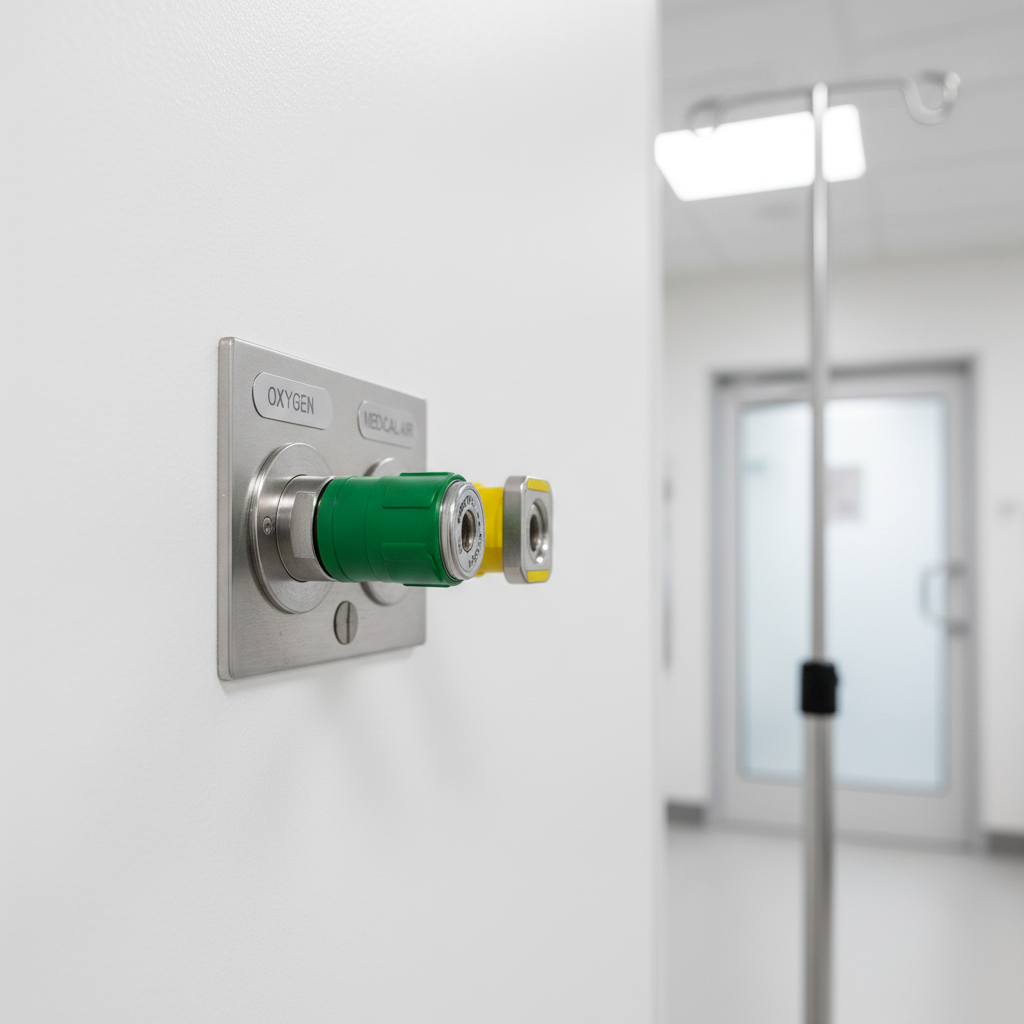
For hospitals, ambulatory surgery centers (ASCs), and dental clinics in Jupiter, Florida, the reliability of medical gas systems is not just a matter of operational efficiency—it's a fundamental pillar of patient safety. A continuous supply of pure, correctly pressurized medical gases like oxygen, medical air, and nitrous oxide is critical for life support and patient care. This guide provides a definitive overview of the standards, procedures, and requirements for medical gas testing, ensuring your facility remains safe, compliant, and prepared. You will learn the key differences between system verification and annual inspections, the specific requirements for various healthcare settings, and how to choose a certified partner to protect your patients and your practice.
What is Medical Gas Testing? A Deep Dive into NFPA 99 Requirements
Medical gas testing is a comprehensive set of procedures designed to verify and inspect the piped medical gas and vacuum systems within a healthcare facility. The primary goal is to ensure that the entire system—from the source equipment to the patient-use outlets—is safe, functions as designed, and delivers uncontaminated medical gases at the correct pressures. The definitive standard governing these systems in the United States is the NFPA 99, Health Care Facilities Code.
According to NFPA 99, Chapter 5 (Piped Gas and Vacuum Systems), all such systems must be periodically inspected, tested, and maintained. These requirements are not suggestions; they are legally enforceable standards adopted by federal, state, and local jurisdictions, as well as accrediting organizations like The Joint Commission (TJC), DNV, and the Accreditation Association for Ambulatory Health Care (AAAHC). A complete program of testing and maintenance is essential for achieving and maintaining medical gas system certification.
These tests confirm several critical parameters:
- Gas Identity: Verifies that the gas delivered at the outlet (e.g., Oxygen) matches the label on the outlet.
- Purity: Ensures no cross-contamination between gas systems and that the gas is free of particulates, moisture, and other contaminants.
- Pressure & Flow: Confirms that static and dynamic pressures are within the precise ranges required for medical devices and patient care.
- System Integrity: Checks for leaks, faulty components, and proper installation practices.
The Core Components of a Compliant Medical Gas System
A medical gas system is a complex network. Understanding its core components is crucial for appreciating the scope of comprehensive testing.
H3: Source Equipment
This is the heart of the system. It includes:
- Manifolds: High-pressure cylinder banks that serve as the primary or secondary supply for gases like oxygen and nitrous oxide.
- Medical Air Compressors: Specialized, oil-free compressors that generate medical-grade breathable air.
- Vacuum Pumps: Create the suction necessary for surgical and respiratory procedures.
H3: Distribution Network
This is the circulatory system that transports the gases. It consists of:
- Piping: Seamless copper tubing (Type K or L), cleaned for oxygen service, that runs throughout the facility.
- Valves: Source valves, main line valves, and zone valves that isolate specific areas of the facility for maintenance or in an emergency.
- Alarms: Master, area, and local alarms that provide audible and visual warnings of pressure changes or equipment failure.
H3: Patient-Use Terminals
These are the points of delivery. They include:
- Outlets/Inlets: Gas-specific, quick-connect or DISS (Diameter Index Safety System) fittings in patient rooms, operating rooms, and procedure areas.
- Hose Assemblies & Accessories: Flexible hoses and regulators that connect medical devices to the wall outlets.
Every component must be properly installed by ASSE 6010 certified technicians to ensure the system is safe from the very beginning.
ASSE 6030 Verification vs. Annual Inspections: What's the Difference?
A common point of confusion for facility managers is the distinction between a full system verification and a routine annual inspection. Both are required by NFPA 99, but they serve different purposes and occur at different times.
| Feature | ASSE 6030 Verification | Annual Inspection |
|---|---|---|
| When | After new construction, system modification, or addition. Must be completed before placing the system into service. | Every 12 months for existing, operational systems. |
| Scope | Complete system validation from source to terminal. Includes component verification, cross-connection tests, purity analysis (particulate and gas concentration), and pressure/flow tests for every single outlet. | Functional testing of system components. Includes checks on source equipment, alarm function, pressure readings at outlets, and labeling. Purity testing is typically not part of a standard annual test unless a problem is suspected. |
| Governing Standard | NFPA 99, Section 5.1.12, "Piped Gas and Vacuum System Installation and Testing" | NFPA 99, Section 5.1.14, "Piped Gas and Vacuum System Operation and Management" |
| Outcome | The system is certified as safe for patient use. This is the final step before a new or modified system can be turned over to the facility. | Confirms the system remains compliant, safe, and reliable for ongoing patient care. Provides a record for accrediting agencies. |
For any new facility construction or renovation in Jupiter, FL, a complete medical gas verification by an ASSE 6030 certified third-party agency is non-negotiable.
The Medical Gas Testing Process: A Step-by-Step Overview
While the specifics vary between a full verification and an annual inspection, a certified technician from Medical Testing Solutions will follow a rigorous, documented process. A typical annual inspection includes:
- Documentation Review: Examining previous inspection reports, system drawings, and maintenance logs.
- Source Equipment Inspection: Checking the condition and function of manifolds, compressors, and pumps, including lubricant levels, filter change dates, and alarm sensors.
- Alarm Testing: Activating master and area alarms by simulating system failures to ensure they function correctly and report to the proper locations.
- Zone Valve & Shut-off Valve Checks: Confirming all zone valves are accessible, correctly labeled, and function properly.
- Outlet & Inlet Testing: Checking a representative percentage of terminals for correct gas-specific indexing, static pressure, and dynamic flow.
- Labeling Integrity: Ensuring all piping, valves, and outlets are clearly and correctly labeled per NFPA 99 standards.
- Reporting: Providing a detailed, actionable report that documents all tests performed, their results, and any deficiencies found, along with recommended corrective actions.
Why This Matters for Compliance: A single failed component, like a miscalibrated alarm or a leaky valve, can jeopardize your facility's accreditation from agencies like The Joint Commission (TJC) or DNV. Regular testing by a certified provider like Medical Testing Solutions is not just about safety—it's a critical part of maintaining your license to operate and avoiding costly shutdowns.
Specialized Testing for Jupiter's Healthcare Facilities
Different healthcare environments have unique needs and risk profiles.
H3: Hospitals & Ambulatory Surgery Centers (ASCs)
The complexity of a hospital or ASC requires rigorous testing. Operating rooms, in particular, need careful evaluation of all gas systems, including Nitrogen for powering surgical tools and Waste Anesthetic Gas Disposal (WAGD) systems. Regular checks on these systems, as well as proactive Waste Anesthetic Gas (WAG) monitoring, are essential for protecting both patients and staff from hazardous exposure.
H3: Dental Clinics & Oral Surgery Offices
For dental practices in Jupiter that offer sedation, the nitrous oxide and oxygen delivery systems are a primary focus. Testing ensures there are no leaks that could lead to chronic exposure for staff and confirms the accuracy of the delivery equipment. This includes ensuring proper dental flowmeter calibration and repair to guarantee patient safety during sedation procedures.
Choosing a Certified Medical Gas Testing Provider in Jupiter, FL
When selecting a partner for medical gas testing, credentials matter. Your facility's safety and compliance depend on the expertise of the individuals performing the tests. Look for a company that:
- Employs ASSE 6030 and 6040 Certified Technicians: This is the gold standard for qualification.
- Is an Independent Third Party: For new installations (ASSE 6030 verification), the testing agency must be independent of the installer to provide unbiased results.
- Provides Detailed, Digital Reports: Comprehensive documentation is essential for demonstrating compliance to surveyors.
- Has Experience with Florida Facilities: A provider familiar with state regulations and local AHJs is invaluable.
Headquartered in Fort Lauderdale, Medical Testing Solutions is a premier, ASSE-certified provider serving Jupiter and all of South Florida. Our deep expertise in NFPA 99 ensures your facility receives the most thorough and reliable testing and certification available. You can request a quote for your facility directly from our certified professionals.
FAQs about Medical Gas Testing
Q: How often do I need medical gas testing?A: Per NFPA 99, your medical gas systems require a comprehensive inspection at least annually. A full ASSE 6030 verification is required for any new construction, system modification, or addition before the system is used for patient care.
Q: Who is qualified to perform medical gas testing?A: Only personnel certified to the ASSE 6000 standard, such as an ASSE 6030 Medical Gas Verifier or ASSE 6040 Medical Gas Maintenance Personnel, are qualified. The verifier must be a third party, independent of the installer.
Q: What happens if my system fails an inspection?A: The certified inspector will provide a detailed report of all deficiencies. Critical issues must be corrected immediately. Medical Testing Solutions can assist with both identifying and performing the necessary repairs and maintenance to bring your system back into compliance.
Q: Does this testing apply to dental offices?A: Yes. Any facility using piped medical gases like nitrous oxide or oxygen for patient care, including dental and oral surgery clinics, must comply with NFPA 99 standards for installation, verification, and maintenance.
Q: What records do I need to keep?A: You must maintain detailed records of all inspections, tests, and maintenance performed on your medical gas systems. These documents are critical for audits by regulatory bodies like The Joint Commission, AHCA, and DNV.
Ensure Your Facility's Safety and Compliance Today
Medical gas systems are a lifeline for your patients. Proactive, professional testing is the only way to ensure they remain safe, reliable, and compliant with all regulatory standards. Don't leave patient safety to chance. For expert, ASSE-certified medical gas testing in Jupiter and across South Florida, trust the experts at Medical Testing Solutions.
Our team is ready to help you navigate the complexities of NFPA 99 and ensure your facility meets the highest standards of safety. Contact us today for a comprehensive quote or to schedule your annual inspection. Call us at +1 (754) 315-1078 or request a quote online to get started.
'''
This article is provided for educational purposes and reflects industry standards as of publication. Always verify against current NFPA 99, CGA, and AHJ requirements. Medical Testing Solutions is ASSE-certified and ready to help — contact us for facility-specific guidance.
Need Medical Gas Services?
Contact our certified team for inspections, verifications, installations, and more.
Get a Free Quote