Medical Gas Testing in Estero, FL: A Guide to NFPA 99 Compliance
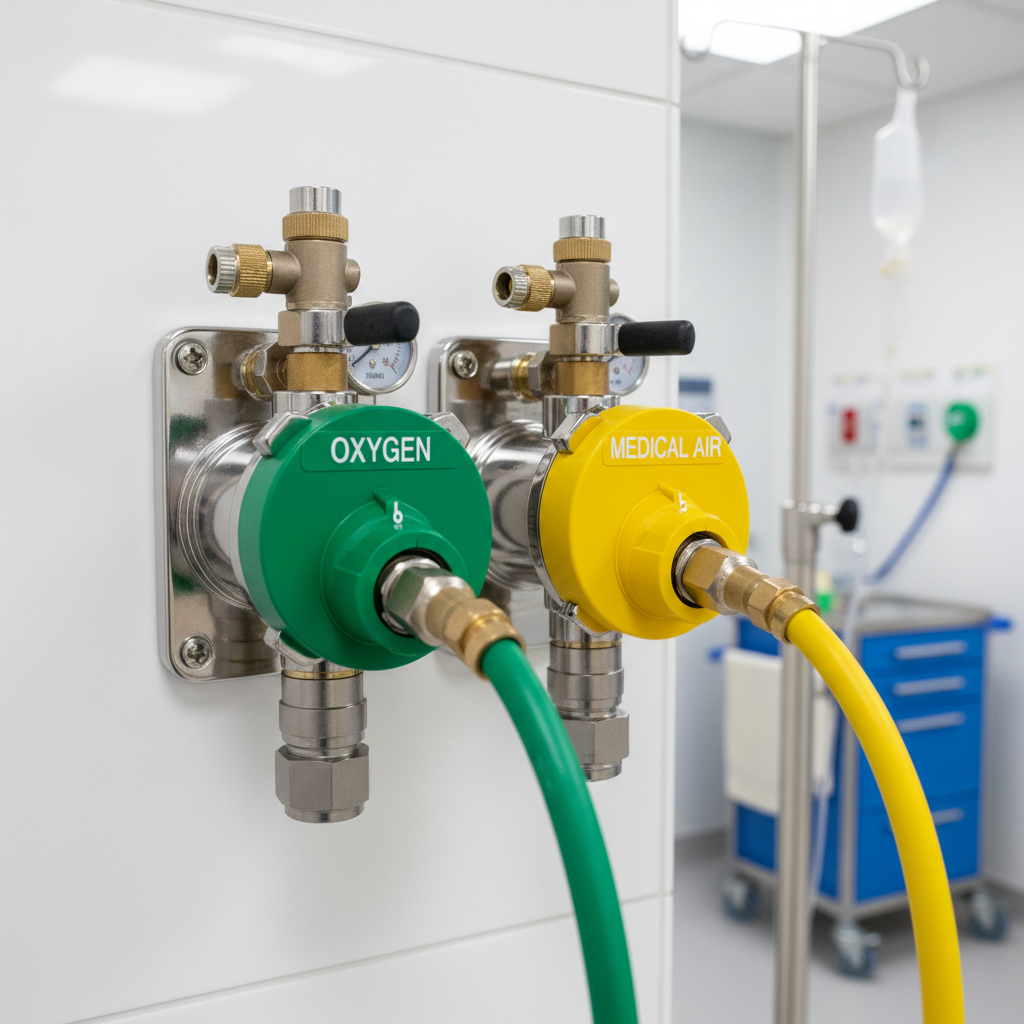
Medical gas systems are a critical life-support utility in healthcare facilities, from large hospitals to specialized dental clinics. The proper function of these systems is non-negotiable for patient safety. That's why rigorous testing and inspection are mandated by national standards. For healthcare administrators in Estero, Florida, understanding the requirements for medical gas testing is a crucial part of maintaining compliance and ensuring the highest level of patient care. This comprehensive guide explains the what, why, and how of medical gas testing, detailing the specific procedures required under NFPA 99 and the importance of using ASSE-certified professionals for this vital service.
What Are Medical Gas Systems?
Medical gas and vacuum systems are the circulatory system of a healthcare facility, delivering essential gases for patient respiration, anesthesia, and powering surgical tools. These systems include:
- Oxygen (O2): Used for respiration and life support.
- Medical Air: A compressed air source used for patient breathing and to power medical devices.
- Nitrous Oxide (N2O): Primarily used in dental and surgical settings for its anesthetic and analgesic properties.
- Carbon Dioxide (CO2): Used for insufflation during minimally invasive surgeries.
- Nitrogen (N2): Powers surgical tools and equipment.
- Medical Vacuum: Used to remove fluids and waste from the patient's airway or surgical site.
A typical system consists of a central supply source (like cylinders or a bulk tank), a network of pipes running throughout the facility, and station outlets or terminals in patient rooms, operating suites, and procedure areas.
Why is Regular Medical Gas Testing Essential?
Failure in a medical gas system can have catastrophic consequences, from patient injury to death. Regular, professional testing ensures these systems deliver the correct gas, at the correct pressure, without any contaminants. The primary driver for testing is NFPA 99, the Health Care Facilities Code, which sets the minimum criteria for the installation, performance, and inspection of these systems.
Key reasons for testing include:
- Patient Safety: Preventing the delivery of the wrong gas (cross-connection), system contamination, or inadequate pressure.
- Regulatory Compliance: Adherence to codes set by The Joint Commission (TJC), Centers for Medicare & Medicaid Services (CMS), and other accrediting bodies that reference NFPA 99.
- System Integrity: Identifying and correcting leaks, blockages, or malfunctioning components before they lead to system failure.
Why this matters for compliance: NFPA 99 mandates that all new, modified, or repaired medical gas systems must be verified by a third-party certifier, such as Medical Testing Solutions, before being placed into service. This process, known as medical gas verification, is performed by an ASSE 6030 Certified Verifier.
The Medical Gas Testing Process: An Overview
Medical gas testing isn't a single event but a series of inspections and tests performed at different stages of a system's life. The most comprehensive testing occurs during the initial verification of a new installation or modification, but annual medical gas inspections are also required to ensure ongoing safety and performance.
A full system verification involves several key steps:
- Initial Pipe Inspection: Before closing the walls, the piping is pressure tested with oil-free nitrogen to check for leaks in the joints.
- Cross-Connection Test: Each outlet is checked to ensure it only delivers the gas specified for it. This test confirms that pipes were connected correctly at the source.
- Valve and Alarm Tests: All zone and mainline valves are tested to ensure they operate correctly and that the associated warning alarms function as designed.
- Particulate and Purity Tests: Gas samples are taken from each outlet to test for contaminants and to verify gas purity meets USP (United States Pharmacopeia) standards.
- Pressure and Flow Tests: Technicians confirm that both static and dynamic pressures are within the ranges specified by NFPA 99 and that flow rates are adequate for the intended clinical use.
NFPA 99 Testing Requirements: A Comparison
NFPA 99 categorizes healthcare systems based on risk. Medical gas systems are typically classified as Category 1, meaning their failure is likely to cause major injury or death to patients. This classification dictates the stringent testing requirements.
Here’s a simplified comparison of testing requirements for different events:
| Test Type | Initial Verification (ASSE 6030) | Annual Inspection (ASSE 6040) | Maintenance |
|---|---|---|---|
| Piping Purity (Particulate) | Required | Not Required | Not Required |
| Gas Concentration Test | Required | Required | As Needed |
| Cross-Connection Test | Required | Not Required | Required if system is breached |
| Alarm & Warning System Test | Required | Required | As Needed |
| Outlet/Inlet Flow | Required | Required for patient care areas | As Needed |
| System Pressure Test | Required | Required | Required after modifications |
For facilities looking to build or expand, understanding the complete medical gas verification process is critical for a smooth and compliant project.
The Role of ASSE 6000 Certifications
NFPA 99 explicitly requires that individuals who work on medical gas systems be qualified for the task. The American Society of Sanitary Engineering (ASSE) 6000 series of professional certifications is the industry's benchmark for demonstrating this qualification.
- ASSE 6010 Certified Installers: Qualified to perform the physical installation of medical gas piping and components.
- ASSE 6030 Certified Verifiers: The experts qualified to perform the comprehensive third-party testing and verification of new or modified systems.
- ASSE 6040 Certified Maintenance Personnel: Qualified to maintain and repair existing medical gas systems.
When hiring a company for medical gas testing in Estero, FL, it is imperative to ensure their technicians hold the appropriate ASSE credentials. The team at Medical Testing Solutions includes personnel certified to these rigorous standards, ensuring every inspection and verification is performed with the highest level of expertise.
Specialized Testing: LIM, WAG, and More
Beyond the standard gas system tests, many Estero-area facilities have specialized needs that require additional compliance testing.
- Line Isolation Monitors (LIM): Used in "wet procedure locations" like operating rooms, LIMs provide crucial protection against electrical shock. These devices must be tested and calibrated regularly. More information can be found on our Line Isolation Monitor Testing page.
- Waste Anesthetic Gas Disposal (WAGD): Systems that scavenge waste anesthetic gases from operating rooms must be tested to ensure they are protecting staff from long-term exposure hazards.
- Dental Flowmeters: Dental offices using nitrous oxide sedation rely on precisely calibrated flowmeters. Regular maintenance ensures patient safety and accurate gas delivery. We specialize in dental flowmeter repair and calibration.
Choosing Your Medical Gas Testing Partner in Estero
When you need a trusted partner for medical gas services, look for a company with a proven track record, deep knowledge of NFPA 99, and a team of fully certified professionals. Medical Testing Solutions, headquartered right here in South Florida, provides comprehensive services from initial medical gas installation and verification to routine maintenance and annual inspections.
We serve hospitals, ambulatory surgery centers (ASCs), dental clinics, and veterinary facilities across Estero and the greater Lee County area. Our focus is on providing thorough, code-compliant testing and clear, actionable reports that help you maintain a safe environment for patients and staff.
Ready to ensure your facility is compliant and safe? Contact our team of experts today.
Get Your Quote
For a free, no-obligation quote for medical gas testing at your Estero facility, call us directly at +1 (754) 315-1078 or request a quote online.
Frequently Asked Questions about Medical Gas Testing
Q: How often do my medical gas systems need to be tested?A: All new, modified, or repaired medical gas systems must be fully verified by an ASSE 6030 Verifier before use. After that, NFPA 99 requires system components like alarms, outlets, and source equipment to be inspected annually by a qualified ASSE 6040 technician.
Q: Who can perform medical gas testing?A: Only individuals with current ASSE 6000 series certifications are considered qualified by NFPA 99. An ASSE 6030 Verifier must certify new systems, while an ASSE 6040 Maintenance person can perform annual inspections.
Q: What happens if you find a problem during an inspection?A: If a problem is found, it is documented in a detailed report. Critical issues that pose an immediate risk to patients require the system to be taken out of service until a repair is made and the system is re-verified. Non-critical issues are flagged for repair on a scheduled basis.
Q: Our facility is in Estero, do you service our area?A: Yes, Medical Testing Solutions provides comprehensive medical gas testing, verification, and maintenance services to healthcare facilities throughout Estero, Fort Myers, and all of Lee County, Florida.
Q: What is the difference between verification and certification?A: While often used interchangeably, "verification" is the formal term used in NFPA 99 for the third-party testing of a new or modified system (performed by an ASSE 6030 Verifier). "Certification" is often used to refer to the overall process or the documentation that results from a successful verification.
'''
This article is provided for educational purposes and reflects industry standards as of publication. Always verify against current NFPA 99, CGA, and AHJ requirements. Medical Testing Solutions is ASSE-certified and ready to help — contact us for facility-specific guidance.
Need Medical Gas Services?
Contact our certified team for inspections, verifications, installations, and more.
Get a Free Quote