Medical Gas Testing Bonita Springs, FL: A Guide to NFPA 99 Compliance
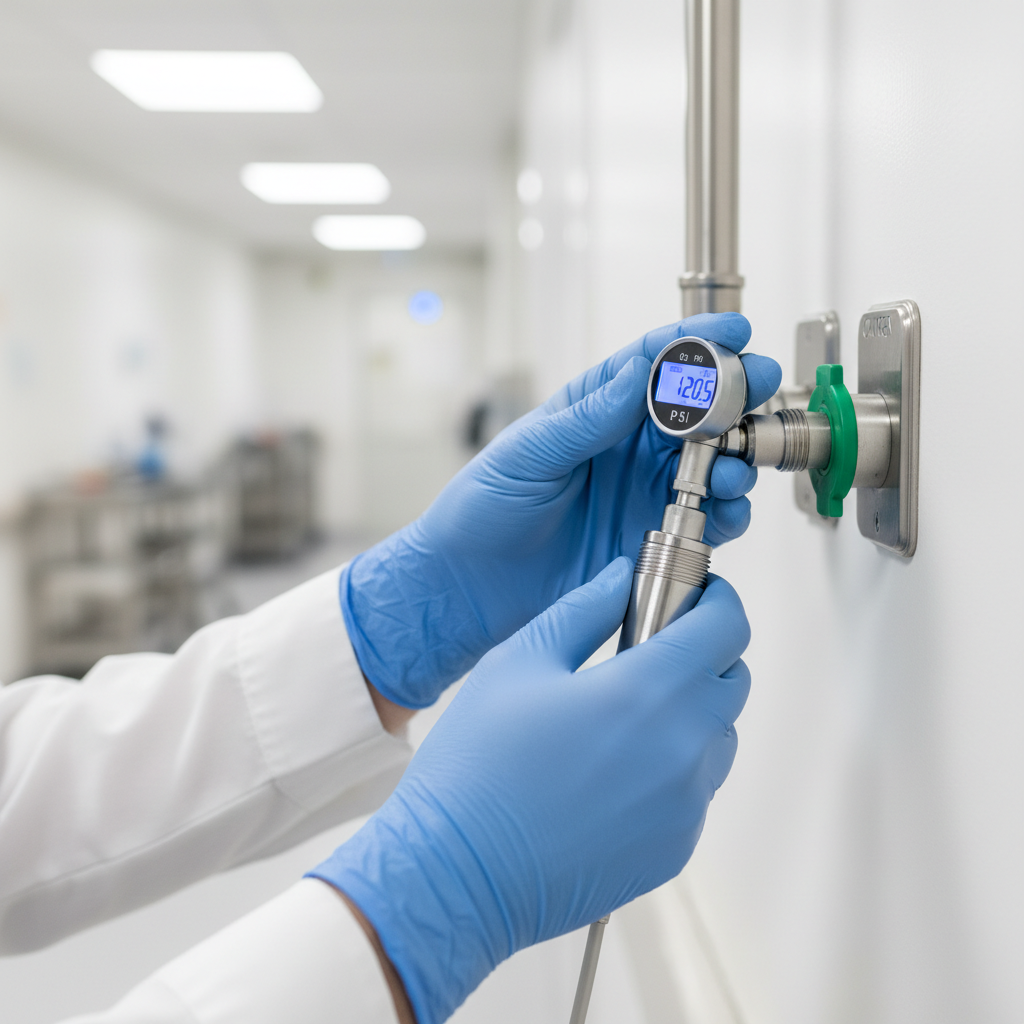
Medical gas systems are a silent, life-sustaining utility in virtually every healthcare setting. From the oxygen (O2) that aids a patient's breathing to the nitrogen (N2) that powers surgical tools, these systems are fundamental to modern medicine. However, their reliability and safety can never be taken for granted. For healthcare facilities in Bonita Springs, Florida, rigorous medical gas testing is not just a best practice—it is a mandatory requirement for patient safety and regulatory compliance. This comprehensive guide explains the critical processes behind medical gas testing, the standards set by NFPA 99, and how to ensure your facility meets every requirement. You will learn the difference between system verification and annual inspections, what tests are performed, and how to partner with a certified provider to protect your patients and your facility's accreditation.
The Life-Sustaining Backbone of Healthcare: Understanding Medical Gas Systems
Medical gas systems are complex networks of pipes, valves, and outlets that deliver specific gases from a central supply source to various points of use throughout a facility. These systems are distinct from standard plumbing and require specialized knowledge for design, installation, and maintenance.
Common gases found in hospitals, ambulatory surgery centers (ASCs), and dental clinics include:
- Oxygen (O2): Used for respiration and life support.
- Medical Air (MedAir): A purified air supply used for patient respiration, often in neonatal intensive care units (NICUs), and to power specific medical devices.
- Nitrous Oxide (N2O): An anesthetic and analgesic agent, commonly used in dental and minor surgical procedures.
- Nitrogen (N2): An inert gas used to power pneumatic surgical tools and equipment.
- Carbon Dioxide (CO2): Used for insufflation during minimally invasive surgeries.
- Medical Vacuum (VAC): Used for suctioning fluids and waste during procedures.
Because these gases are administered directly to patients or used in critical procedures, their purity, pressure, and flow must be precise. A cross-connection, a leak, or a contaminant in the system can have catastrophic consequences.
NFPA 99 Compliance: The Gold Standard for Medical Gas Safety
The National Fire Protection Association's standard, NFPA 99, Health Care Facilities Code, is the primary document governing medical gas systems in the United States. It provides the minimum criteria for the installation, performance, and maintenance of these systems. Adherence is mandatory and is enforced by accrediting bodies like The Joint Commission (TJC), the Centers for Medicare & Medicaid Services (CMS), and the Agency for Health Care Administration (AHCA) in Florida.
Why this matters for compliance: Failure to comply with NFPA 99 can result in severe consequences, including loss of facility accreditation, hefty fines, and shutdown of operations. More importantly, it jeopardizes patient safety. Regular, documented testing by a certified provider like Medical Testing Solutions is your primary evidence of compliance and due diligence.
NFPA 99 outlines three core areas of testing and service:
Initial System Verification (ASSE 6030 Standard)
Any new medical gas system, or any existing system that has been modified, extended, or repaired, must undergo a complete system verification before being placed into service. This is not a simple check; it is an exhaustive set of tests performed by a technician holding an ASSE 6030 Certified Medical Gas Verifier credential. The goal is to ensure the system is safe, free of contaminants, and performs exactly as designed. A proper Certified medical gas verification ensures that the work done by the ASSE 6010 Installer was completed correctly.
Routine Inspections: Your Annual Compliance Checkpoint
NFPA 99 mandates that a full inspection of the medical gas system be conducted annually. These inspections are proactive measures to identify potential issues before they become critical failures. An ASSE 6040 Certified Medical Gas Maintenance Person or an ASSE 6030 Verifier can perform these checks. These annual medical gas inspections are crucial for maintaining a facility's good standing and ensuring ongoing operational readiness.
Ongoing System Maintenance (ASSE 6040 Credential)
Beyond annual inspections, systems require periodic maintenance. This includes tasks like replacing filter elements on a medical air compressor, repairing a faulty alarm, or addressing a low-pressure issue. Any maintenance that breaches the system requires re-verification of the affected portion of the system to ensure it is safe to return to patient use. Partnering with a firm offering comprehensive medical gas maintenance services ensures you have support for both planned and unplanned events.
What Does a Certified Medical Gas Test Involve?
A certified test is a multi-point process that examines every critical component of your medical gas system. While the full verification for a new system is the most extensive, annual inspections cover many of the same areas. Key tests include:
- Particulate Testing: Checks for solid contaminants within the piping.
- Purity Testing: Ensures the gas being delivered is the correct type and meets USP purity requirements (e.g., Oxygen >99.0%).
- Pressure and Flow Tests: Confirms that static and dynamic pressures are within the ranges specified by NFPA 99 at each outlet.
- Alarm Testing: Verifies that every master alarm, area alarm, and local alarm functions correctly, from pressure switches to the alarm panels themselves.
- Valve and Outlet/Inlet functionality: Confirms that zone valves are accessible and work correctly, and that every gas outlet and inlet is properly indexed, labeled, and functions as intended.
- Source Equipment Evaluation: Checks the performance of compressors, vacuum pumps, manifolds, and cryogenic vessels to ensure they operate correctly and that automatic changeovers function.
Specialized Testing for Bonita Springs Healthcare Facilities
The specific testing needs can vary depending on the type of facility.
Hospitals and Ambulatory Surgery Centers (ASCs)
Hospitals and ASCs in the Bonita Springs area have the most complex systems, often involving all major gas types and extensive alarm networks. Testing here is comprehensive, covering everything from the bulk oxygen tank to the patient room outlets. For these facilities, a detailed report from a company like Medical Testing Solutions is a critical compliance document for TJC and AHCA surveys.
Dental Clinics and Oral Surgery Offices
Dental facilities frequently use nitrous oxide and oxygen for patient sedation. These systems, while often smaller, fall under the same NFPA 99 requirements for safety. Verification after proper installation is mandatory. Annual checks of the manifold, alarms, and scavenging systems are vital. Furthermore, ensuring the accuracy of the delivery equipment is key, and MTS can provide services for dental flowmeter repair and calibration to ensure patient safety and precise anesthetic delivery.
Choosing a Certified Medical Gas Testing Partner in Southwest Florida
Selecting the right company to test your systems is a decision that directly impacts patient safety and your facility's legal standing.
Why ASSE 6030 Certification is Non-Negotiable
The American Society of Sanitary Engineering (ASSE) 6000 series provides the nationally recognized credentials for professionals working with medical gas systems. The ASSE 6030 Verifier certification requires extensive training, experience, and passing a rigorous exam. Asking for a company’s medical gas certification credentials is your first step in vetting a potential partner. Never allow an uncertified individual to test or verify your medical gas systems.
What to Expect from Medical Testing Solutions
As an ASSE-certified authority in medical gas services, Medical Testing Solutions provides Bonita Springs and the greater Southwest Florida region with a comprehensive, code-compliant testing program. Our process is designed for clarity and compliance:
- Consultation & Quoting: We discuss your facility's specific needs, whether it's a new construction verification or a routine annual inspection.
- On-Site Testing: Our ASSE 6030 certified technicians arrive with calibrated, state-of-the-art testing equipment.
- Thorough Evaluation: We conduct all required NFPA 99 tests methodically, with minimal disruption to your operations.
- Comprehensive Reporting: You receive a detailed digital report outlining every test performed, the results, and a clear pass/fail status for the system. This report is your proof of compliance for surveyors.
Medical Gas System Components & NFPA 99 Testing Requirements Comparison
This table provides a simplified overview of key components and their testing focus during an annual inspection.
| Component | NFPA 99 Test Requirement | Typical Frequency |
|---|---|---|
| Outlets/Inlets | Test for flow, pressure, gas identity, and leaks | Annually & post-maintenance |
| Zone Valves | Ensure proper operation, labeling, and accessibility | Annually |
| Alarms (Master/Area) | Test all functions, signals, and pressure switches | Annually |
| Source Equipment | Check pressures, changeover, and performance | Per manufacturer/Annually |
| Manifolds | Test for leaks and automatic changeover function | Annually |
Frequently Asked Questions (FAQs)
What is medical gas testing?
Medical gas testing is the process of verifying and inspecting the piped medical gas systems in a healthcare facility to ensure they are safe, effective, and compliant with codes like NFPA 99. It involves checking for purity, pressure, flow, and the proper function of all components.
How often do our medical gas systems need to be tested?
According to NFPA 99, all new, modified, or repaired medical gas systems require a complete ASSE 6030 verification. Additionally, a comprehensive inspection of the entire system should be performed annually to ensure ongoing safety and compliance.
Who can perform medical gas testing in Bonita Springs?
Medical gas testing must be performed by individuals certified to the ASSE 6030 standard for Verifiers. Companies like Medical Testing Solutions employ certified technicians who have the training and equipment to perform these critical tests accurately.
What happens if we fail a medical gas inspection?
If a system fails inspection, the certified technician will provide a detailed report of the deficiencies. These issues must be corrected by a qualified ASSE 6010 installer, and the system must be re-verified before it can be put into patient use.
Does this testing apply to dental offices?
Yes. Dental offices, particularly those using nitrous oxide/oxygen for sedation, must comply with NFPA 99 standards. This includes proper installation and verification and regular system checks to ensure patient safety.
Ensure Compliance and Patient Safety in Bonita Springs
The integrity of your medical gas systems is a foundational element of patient care. Proactive, certified testing is the only way to ensure these systems are safe, reliable, and fully compliant with NFPA 99 standards. Don't leave your facility's accreditation or your patients' well-being to chance.
If your hospital, surgery center, or dental clinic in the Bonita Springs area needs a new system verification or is due for its annual inspection, contact the experts at Medical Testing Solutions. Our ASSE-certified team is ready to provide a thorough, compliant service with the detailed documentation you need.
Request a quote online or call us today at +1 (754) 315-1078 to schedule your medical gas testing.'''
This article is provided for educational purposes and reflects industry standards as of publication. Always verify against current NFPA 99, CGA, and AHJ requirements. Medical Testing Solutions is ASSE-certified and ready to help — contact us for facility-specific guidance.
Need Medical Gas Services?
Contact our certified team for inspections, verifications, installations, and more.
Get a Free Quote