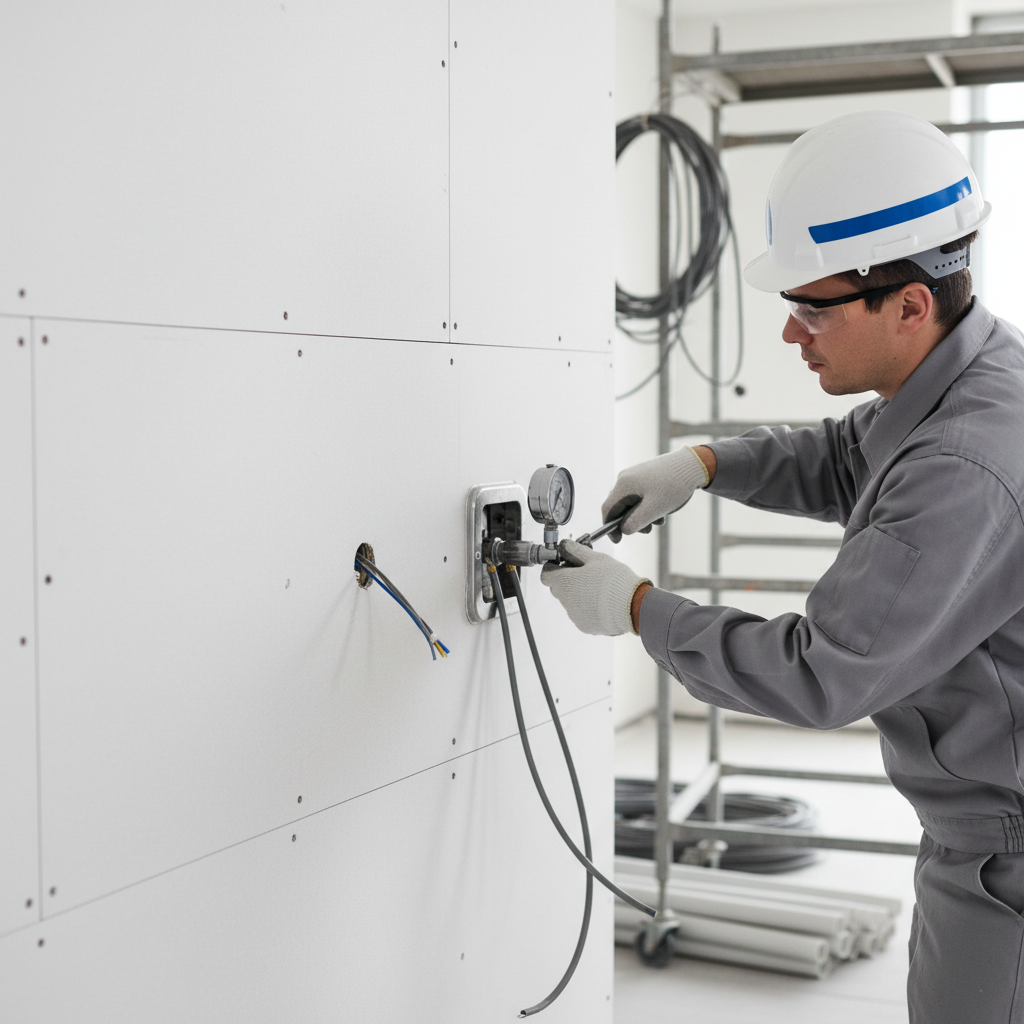
Medical Gas System Commissioning in Kendall, FL: An NFPA 99 Compliance Guide
For any new healthcare facility construction in Kendall, Florida, the medical gas system is the silent lifeblood. Before the first patient arrives, this critical infrastructure must undergo a rigorous commissioning process to ensure it is safe, effective, and compliant. This process, governed by stringent codes, isn'''t just a line item on a construction checklist, it'''s a fundamental requirement for patient safety. This guide will walk you through the essential steps of medical gas system commissioning, focusing on the NFPA 99 requirements for new construction, so you can open your doors with confidence.
What is Medical Gas System Commissioning?
Commissioning is the final, crucial step after a new medical gas system has been installed. It'''s a comprehensive series of tests and procedures performed by a certified third party to verify that the system is ready for patient use. Unlike general plumbing or HVAC, medical gas systems deliver life-sustaining gases like oxygen, medical air, and nitrous oxide directly to patients. The slightest impurity, pressure deviation, or cross-connection can have catastrophic consequences.
This verification process must be performed by an individual certified to ASSE 6030, a credential that demonstrates the technician'''s expertise in the complex requirements of NFPA 99. At Medical Testing Solutions, our team holds these certifications, ensuring every medical gas verification we perform in the Kendall area meets the highest standards.
Why this matters for compliance: NFPA 99 (Health Care Facilities Code), specifically section 5.1.12, mandates this third-party verification before the system is placed into service. Failure to comply can result in project delays, costly rework, and, most importantly, a direct threat to patient safety.
The Core Components of NFPA 99 Commissioning
The commissioning process is a multi-faceted evaluation of the entire medical gas piping system, from the source equipment (like oxygen tanks and air compressors) to the patient outlets in operating rooms and patient bays. Per NFPA 99, 5.1.12, the verifier must confirm the system'''s integrity and readiness through several key tests.
Initial Piping Checks
Before any gas is introduced, the verifier confirms the piping is ready. This includes:
- Standing Pressure Test: Ensuring the system can hold pressure without any leaks.
- Brazing and Component Inspection: Visually inspecting all joints and components to ensure they were installed correctly per ASSE 6010 standards.
Particulate Testing: Ensuring a Clean Delivery
One of the first tests performed is the particulate test. The goal is to ensure no contaminants from the construction process, such as dust, dirt, or metal shavings, are present in the pipeline.
- A high flow of nitrogen is used to purge the system.
- A white filter is placed at each outlet.
- The gas flows through the filter for a specified period.
- The verifier inspects the filter for any visible contaminants.
Any sign of particulates requires the zone to be re-purged and re-tested until it is perfectly clean.
Cross-Connection Testing: The Right Gas, Every Time
This is arguably the most critical test in the entire commissioning process. A cross-connection, where one gas line is mistakenly connected to an outlet for another (e.g., nitrogen piped to an oxygen outlet), is a life-threatening error.
To test for this, the verifier systematically pressurizes each gas service, one at a time, with nitrogen. While the oxygen system (for example) is pressurized, the technician checks every single outlet in the facility, medical air, nitrous oxide, vacuum, etc., to ensure that only the oxygen outlets release the test gas. This process is repeated for every single gas service in the building. This meticulous, room-by-room, outlet-by-outlet process is the only way to guarantee against a deadly error.