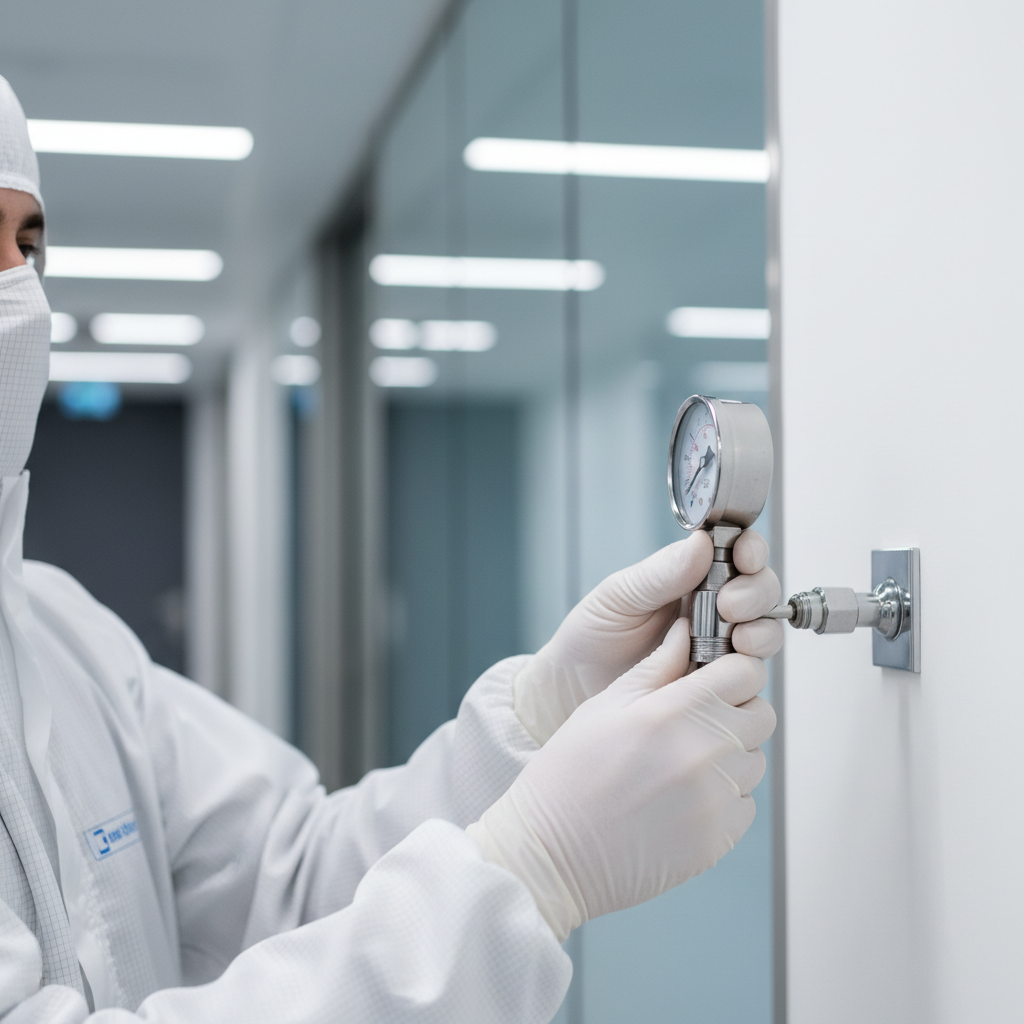
Medical Gas System Commissioning in Jupiter, FL: A Guide to NFPA 99 Compliance
The final steps before a new or renovated healthcare facility can open its doors are among the most critical. For hospital administrators and construction project managers in Jupiter, Florida, ensuring the medical gas and vacuum systems are fully operational, safe, and compliant is a non-negotiable priority. This process, known as commissioning, is a comprehensive set of procedures governed by strict national standards. It culminates in the system's final verification, a formal confirmation that the life-sustaining pipelines are ready for patient use.
This guide will walk you through the essential phases of medical gas system commissioning as required by NFPA 99, Health Care Facilities Code. We'll explore the specific tests involved, the roles of certified personnel, and how Medical Testing Solutions (MTS) provides expert medical gas verification services to ensure your facility meets every requirement for the safety of patients and staff in Jupiter and across Palm Beach County.
What is Medical Gas System Commissioning?
Medical gas commissioning is the systematic process of ensuring that a newly installed or modified medical gas pipeline system performs according to its design intent and, most importantly, is compliant with safety standards. It's more than just flipping a switch; it's a deep, technical evaluation that moves from individual components to the system as a whole. The ultimate goal is to deliver a final report from a qualified ASSE 6030 Verifier that certifies the system is safe for patient use.
This process is formally defined in Chapter 5 of the NFPA 99 (2024 edition), specifically in section 5.1.12, "Final Verification of Piped Gas and Vacuum Systems." This section outlines the series of tests that must be performed after the installer has completed their work and performed their own initial pressure tests.
Why This Matters for Compliance: Failure to properly commission and verify a medical gas system is a major compliance violation under NFPA 99. It can lead to costly project delays, failed inspections by the Authority Having Jurisdiction (AHJ), and most critically, pose a severe risk to patient safety. Partnering with a certified verification company like Medical Testing Solutions is essential for navigating these requirements.
The Three Pillars of Commissioning Tests
NFPA 99 outlines a sequence of tests to validate every aspect of the medical gas system. These tests can be grouped into three core pillars: ensuring the system is clean, ensuring the gas is correct, and ensuring the gas is delivered to the right locations without leaks.
1. Particulate Testing
Before any gas is introduced, the pipeline must be proven to be free of contaminants. During construction, dust, debris, and other particulates can enter the pipes. Particulate testing ensures this construction debris is completely removed.
- Procedure: A high-volume flow of clean, dry, oil-free nitrogen is used to purge the system. At the outlet farthest from the source, a white filter is used to capture any particles.
- Standard: Per NFPA 99, 5.1.12.3.6, the test continues until no discoloration or particulate is visible on the filter. This test verifies the effectiveness of the initial purge.
2. Gas Purity Testing
Once the system is clean, we must ensure the medical gas itself meets stringent purity requirements. This involves testing for specific contaminants.
- Procedure: A specialized gas analyzer is used to sample the gas from each source and outlet.
- Standard: The gas must meet the purity standards outlined in the United States Pharmacopeia (USP). Key parameters include:
- Oxygen (O2): ≥ 99.0%
- Nitrous Oxide (N2O): ≥ 99.0%
- Medical Air: Oxygen between 19.5% and 23.5%, with strict limits on carbon monoxide, carbon dioxide, and other trace gases.
3. Cross-Connection Testing
This is arguably the most critical test in the entire commissioning process. A cross-connection, where one gas line is mistakenly connected to an outlet for another (e.g., nitrogen flowing from an oxygen outlet), can have catastrophic and fatal consequences.
- Procedure: Each gas is tested individually, one at a time, throughout the entire facility. For example, while only the oxygen system is activated, every single gas outlet in the building is checked to ensure that only the designated oxygen outlets are dispensing gas.
- Standard: NFPA 99, 5.1.12.3.3 mandates this test to confirm that no gas is delivered to the wrong outlet. It must be performed by a qualified ASSE 6030 Verifier.