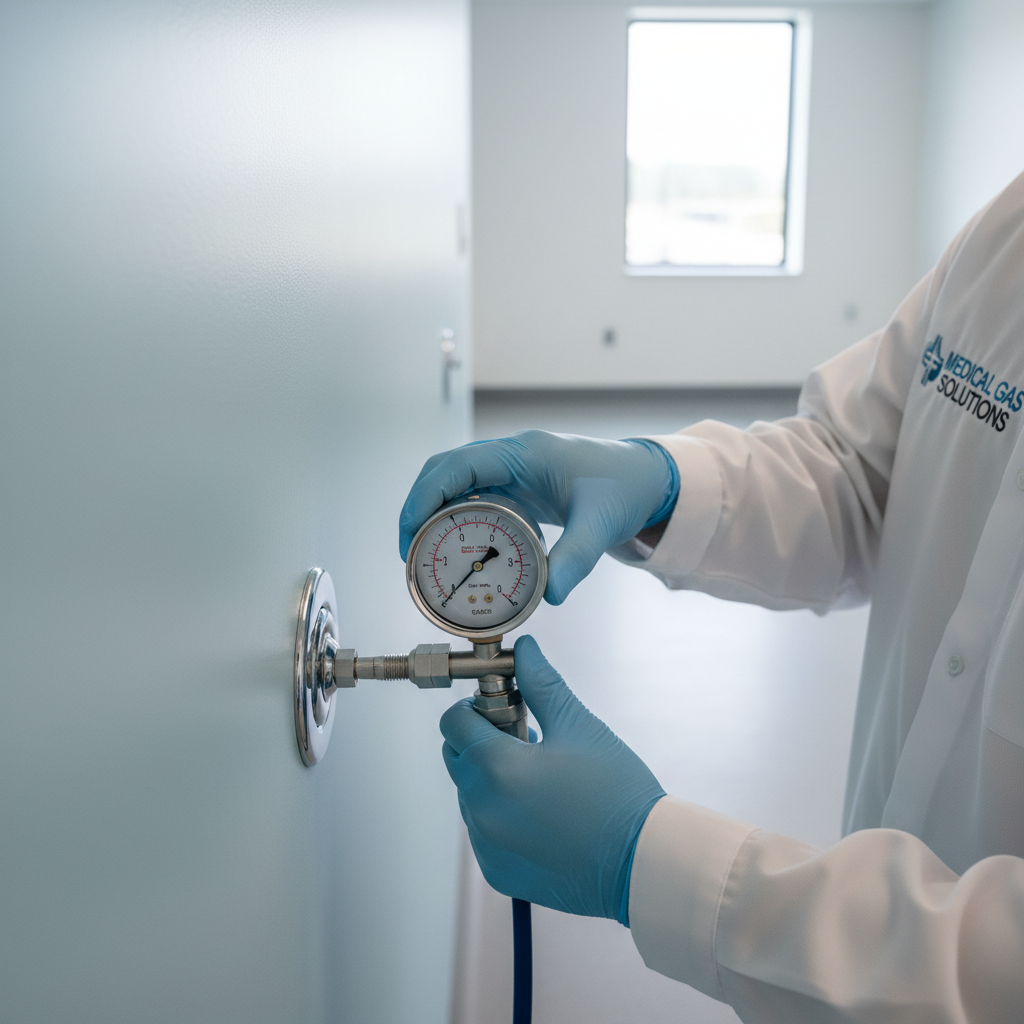
Medical Gas System Commissioning in Boynton Beach, FL: An NFPA 99-Compliant Guide for New Construction
For any new healthcare facility construction in Boynton Beach, Florida, the proper commissioning of medical gas and vacuum systems is not just a final checklist item, it's a critical, life-sustaining process mandated by national standards. Commissioning is the final step that ensures a newly installed system is safe for patient use. It involves a rigorous series of tests to verify that the system was installed correctly, is free of contaminants, and delivers the correct gases without cross-connections. Governed primarily by NFPA 99, the Health Care Facilities Code, this process ensures the system's integrity from the source equipment to the patient-use terminals in operating rooms, patient rooms, and procedure areas. This guide will walk you through the essential steps of medical gas system commissioning for new construction projects in the Boynton Beach area, outlining the specific tests required, the standards that govern them, and how a certified partner like Medical Testing Solutions ensures compliance and patient safety.
What is Medical Gas System Commissioning?
Commissioning is the formal process of documenting and verifying that a medical gas system and its components meet the owner's project requirements and are ready for service. For new construction, this is specifically defined under NFPA 99-2024, Section 5.1.12, "Final Performance Verification." This is the ultimate checkpoint before a system can be used for patient care. It's performed by a party other than the installer, such as Medical Testing Solutions, to provide independent, third-party validation.
This verification must be conducted by an ASSE 6030 Certified Medical Gas Verifier. This certification ensures the individual has the requisite knowledge of the codes, equipment, and procedures to perform the tests accurately and safely. The commissioning process is not a single test but a comprehensive suite of procedures designed to identify any potential hazards before the system is brought online.
Installer Tests vs. Third-Party Verification
It's important to distinguish between the tests performed by the installer (covered in NFPA 99, Section 5.1.12.2) and the final verification performed by a third-party agency (Section 5.1.12.3). While the installer conducts initial pressure tests and blow-downs to confirm the basic integrity of their work, the final verifier performs the comprehensive battery of tests that officially certifies the system for patient use.
Why this matters for compliance: Using a separate, independent ASSE 6030 certified entity for final verification is a core requirement of NFPA 99. It prevents conflicts of interest and ensures an unbiased assessment of the system's safety and readiness. This is a critical step for receiving a certificate of occupancy and for accreditation from bodies like The Joint Commission.
The Core Components of NFPA 99 Commissioning
Final verification is a multi-step process. Our ASSE 6030 verifiers at Medical Testing Solutions follow a strict protocol based on NFPA 99 to ensure every aspect of the system is scrutinized. Here are the key phases of testing for a new medical gas system in Boynton Beach.
1. Cross-Connection Testing
The most dangerous failure in a medical gas system is a cross-connection, where one gas line is mistakenly connected to the outlets of another (e.g., nitrogen flowing from an oxygen outlet). The verifier tests every single outlet in the facility to confirm this has not occurred. The procedure involves pressurizing each gas system, one by one, with oil-free nitrogen and checking all other outlets to ensure no gas is flowing through them. This systematic process guarantees gas specificity and prevents catastrophic accidents.
2. Particulate Testing
During installation, microscopic particulate matter (dust, brazing debris) can be introduced into the piping. Particulate testing ensures the pipelines are clean. A high flow of nitrogen is pushed through the pipes and collected on a white filter disk. According to NFPA 99, the test is passed if there is no visible contamination on the filter. This test is performed at the outlet furthest from the source to ensure the entire length of the pipe is clean.
3. Piping Purity & Purge Gas Analysis
This test verifies that no contaminants were introduced during the brazing process, which uses a nitrogen purge to prevent oxidation inside the copper tubing. The verifier analyzes the nitrogen used for testing the system for trace amounts of contaminants. This analysis confirms that the final purity of the gas delivered to the outlet meets the requirements of USP (United States Pharmacopeia).