Medical Gas Piping Installation in Washington DC: A Guide
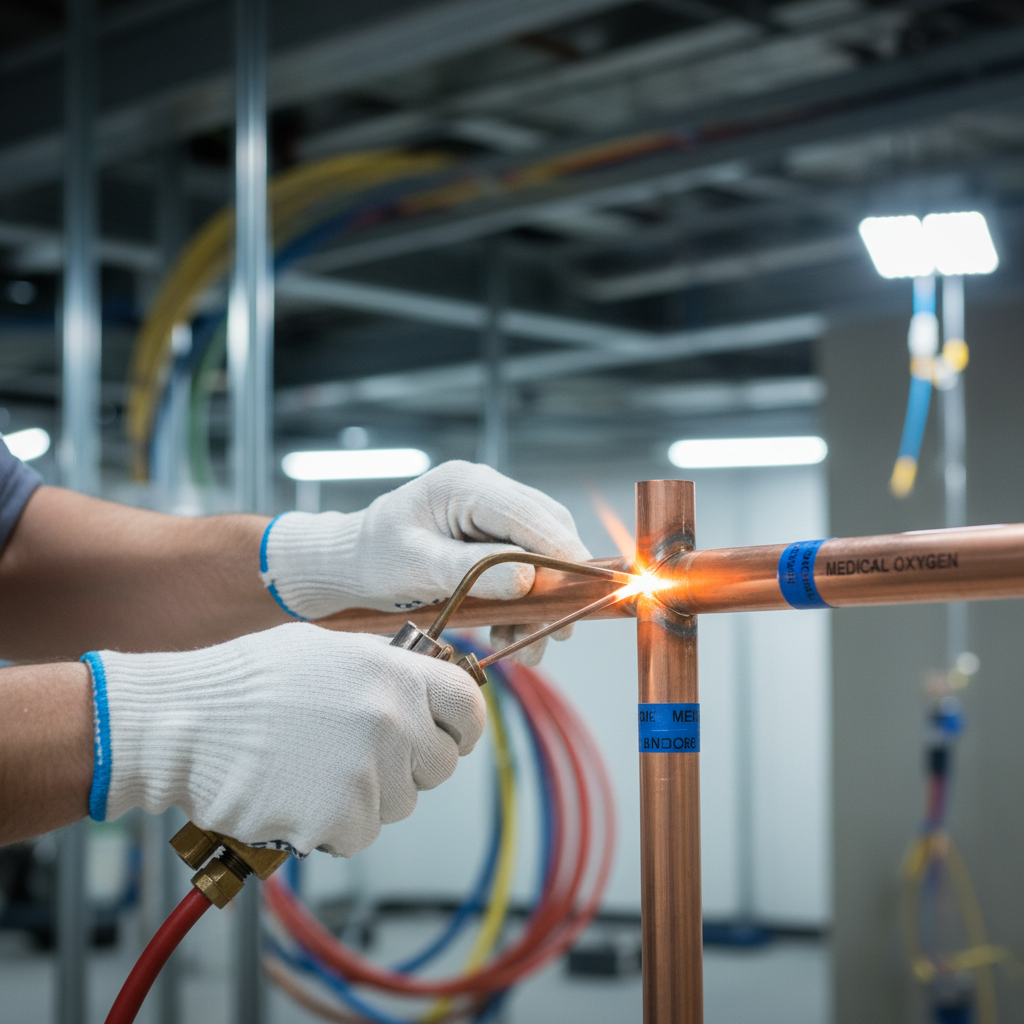
Understanding Medical Gas Piping Systems
Medical gas piping systems are a critical component of life support in healthcare facilities. These networks deliver vital gases like oxygen, medical air, nitrous oxide, and carbon dioxide from the source equipment to patient rooms, operating theaters, and recovery areas. Unlike standard plumbing, these systems are governed by stringent codes to prevent cross-contamination, ensure gas purity, and guarantee patient safety.
In Washington D.C., as in the rest of the United States, the primary governing standard is the National Fire Protection Association's NFPA 99, Health Care Facilities Code. This code outlines the minimum requirements for the design, installation, inspection, testing, and maintenance of medical gas and vacuum systems. For any hospital, ambulatory surgery center (ASC), dental clinic, or veterinary hospital, compliance is not optional.
This guide will walk you through the essential aspects of a compliant medical gas piping installation, from the materials used to the personnel qualifications required. You will learn about the importance of proper planning, the specifics of the installation process, and the critical verification steps that ensure the system is safe for patient use.
The Foundation of a Compliant System: NFPA 99
The entire lifecycle of a medical gas system is dictated by NFPA 99. This comprehensive document categorizes healthcare facilities based on risk levels (Category 1 through 4) to determine the appropriate design and installation requirements. For example, a hospital's critical care wing (Category 1) will have more stringent requirements than a dental office performing minimal sedation (Category 3).
Key chapters relevant to piping installation include:
- Chapter 5: Gas and Vacuum Systems: This is the core chapter, detailing requirements for everything from system components and installation procedures to testing and maintenance.
- Annex A & B: While not mandatory, these annexes provide crucial explanatory material and best practices that inform compliant installations.
Why this matters for compliance: Failure to adhere to NFPA 99 can result in failed inspections, costly rework, project delays, and most importantly, significant risks to patient safety. Regulatory bodies like the Joint Commission and state health departments survey to these standards.
Choosing the Right Materials: Copper Type L
NFPA 99 is explicit about the materials permitted for medical gas piping. The overwhelming standard is ASTM B819 Type L seamless copper tubing. This tubing is specifically cleaned and prepared for medical gas service to prevent the introduction of contaminants.
Why Copper Type L?
- Purity: It arrives from the manufacturer cleaned, capped, and bagged to protect the interior from oil, grease, and other particulates that could be harmful if delivered to a patient.
- Durability: It is strong, corrosion-resistant, and has a long history of reliable use in medical facilities.
- Brazing: The joints in a medical gas system are not soldered; they are brazed using a specific brazing alloy (typically a copper-phosphorus or copper-phosphorus-silver alloy like BCuP-5). Brazing creates a much stronger, more reliable joint capable of withstanding the pressures of the system.
Material Comparison
| Tubing Type | Common Use | Why Not For Med Gas? |
|---|---|---|
| Copper Type K | Underground water lines | Thicker wall not required; costlier |
| Copper Type L | Medical Gas, domestic water | The specified standard for med gas. |
| Copper Type M | Residential water lines | Thin wall, not strong enough for medical gas pressures. |
| ACR Copper | Air conditioning/Refrigeration | Not cleaned to the same medical standard. |
All fittings, valves, and components in the system must also be certified for medical gas use. Using standard plumbing-grade components is a serious violation. Medical Testing Solutions offers a complete catalog of compliant medical gas equipment and components.
The Installation Process: An ASSE 6010 Certified Technician is Key
The installation of medical gas piping is a specialized trade. NFPA 99 requires that the work be performed by individuals qualified under the ASSE 6000 series of standards. Specifically, installers must hold an ASSE 6010 Medical Gas Systems Installer certification.
An ASSE 6010 certified installer has been trained and tested on:
- The specifics of NFPA 99
- Proper brazing techniques, including nitrogen purging
- System and component installation procedures
- Safety protocols
Key Installation Steps
- Plan Review: Before any work begins, the installer reviews the mechanical drawings to ensure the design is compliant and practical.
- Material Handling: All copper tubing and components must be stored and handled carefully to maintain their internal cleanliness.
- Brazing with Nitrogen Purge: During brazing, a continuous, low-pressure flow of dry nitrogen must be maintained within the pipe. This "purge" displaces oxygen, preventing the formation of copper oxides (scale) on the interior pipe wall. This scale can flake off and contaminate the gas stream.
- Proper Support: Piping must be supported at specific intervals to prevent sagging and stress on the joints.
- Labeling: All piping must be clearly labeled with the gas name and direction of flow at specific intervals and on both sides of any wall or partition it crosses.
From Installation to Patient Use: The ASSE 6030 Verification
Once the installation is complete, the system cannot be used until it has been thoroughly tested and verified by an independent, third-party verifier. This critical step is performed by an ASSE 6030 Medical Gas Systems Verifier.
The verification process, detailed in NFPA 99, ensures the system is safe, pure, and operating correctly. It involves a battery of tests:
- Initial Piping Tests: Checking for correct labeling, cross-connections, and pressure testing the system for leaks.
- Purity & Contaminant Testing: Analyzing the gas from each outlet for purity, dew point, and the presence of any contaminants.
- Alarm Testing: Ensuring all local and master alarm panels function correctly, signaling any abnormal conditions.
- Source Equipment Checks: Verifying the proper installation and function of manifolds, air compressors, and vacuum pumps.
Medical Testing Solutions provides comprehensive medical gas verification services in the Washington D.C. area. Our ASSE 6030 certified verifiers work with installers and facilities to ensure new installations are 100% compliant and ready for patient use.
Serving Diverse Healthcare Facilities in Washington D.C.
While hospitals are the most obvious application, many types of healthcare facilities in the D.C. area rely on medical gas systems. The complexity and scale vary, but the core principles of NFPA 99 and ASSE 6000 apply to all.
- Hospitals: The most complex systems, often involving all major medical gases and large, sophisticated source equipment.
- Ambulatory Surgery Centers (ASCs): Typically require oxygen, medical air, and vacuum for operating rooms and recovery areas.
- Dental and Oral Surgery Offices: Primarily use nitrous oxide and oxygen for sedation, as well as dental air and vacuum. Proper installation is critical to avoid cross-contamination and ensure patient safety during procedures. For these facilities, ongoing maintenance, including dental flowmeter calibration, is also essential.
- Veterinary Clinics: Often require oxygen and vacuum systems, with installation standards mirroring those in human healthcare to ensure animal safety.
Why Choose a Certified Partner?
When undertaking a medical gas piping installation, the stakes are incredibly high. Choosing a partner with proven expertise and the right certifications is paramount. Medical Testing Solutions is a leader in the field, providing ASSE 6010 certified medical gas installation and ASSE 6030 verification services across the Washington D.C. metropolitan area.
Our team ensures your project is completed correctly the first time, adhering strictly to NFPA 99 standards. From initial design consultation to final verification and certification, we provide a seamless, compliant process that prioritizes patient safety above all else.
FAQs about Medical Gas Piping Installation
Q: Who can install medical gas piping in Washington D.C.?A: Only technicians holding an ASSE 6010 Medical Gas Systems Installer certification are qualified to perform the installation, as required by NFPA 99.
Q: What is the main difference between medical gas piping and standard plumbing?A: Medical gas piping uses special, cleaned copper (Type L), and joints are brazed with a nitrogen purge to prevent internal oxidation. Standard plumbing uses different materials and soldering methods that are not safe for breathable gas.
Q: How often does a new medical gas system need to be inspected?A: A new system must be fully verified by an ASSE 6030 Verifier before it can be put into service. After that, facilities must conduct regular annual medical gas inspections to ensure ongoing safety and compliance.
Q: Can you use existing copper pipes for a new medical gas line?A: No. You must use new ASTM B819 seamless medical gas tubing that has been cleaned, capped, and prepared for medical gas service. Re-using old pipes, even if they are copper, is a serious violation and safety hazard.
Q: What is a nitrogen purge?A: It is the process of flowing dry nitrogen through the copper pipe while brazing a joint. This displaces oxygen and prevents the formation of harmful black copper oxide scale on the inside of the pipe, ensuring gas purity.
Q: Does Medical Testing Solutions perform installations?A: Yes, Medical Testing Solutions offers comprehensive medical gas services, including installation by ASSE 6010 certified technicians, maintenance, and final verification by our ASSE 6030 certified team.
Your healthcare facility's medical gas system is a life-sustaining utility. Ensure it is installed with the highest level of precision and compliance. Contact Medical Testing Solutions today for a consultation or to get a quote for your Washington D.C. project. Call us at (754) 315-1078 or request a quote online.
This article is provided for educational purposes and reflects industry standards as of publication. Always verify against current NFPA 99, CGA, and AHJ requirements. Medical Testing Solutions is ASSE-certified and ready to help — contact us for facility-specific guidance.
Need Medical Gas Services?
Contact our certified team for inspections, verifications, installations, and more.
Get a Free Quote