Medical Gas Piping Installation in Virginia Beach, VA: A Guide to NFPA 99 Compliance
Proper medical gas piping installation is not just a matter of construction; it's a critical component of patient safety and facility compliance. In Virginia Beach, healthcare facilities from large hospitals to private dental suites rely on a network of pressurized gas lines to deliver life-sustaining gases like oxygen, medical air, and nitrous oxide. Any impurity, leak, or pressure fluctuation can have immediate and severe consequences. This guide provides an in-depth overview of the standards, materials, and procedures required for a compliant medical gas piping installation, ensuring your system is safe, reliable, and meets all regulatory requirements.
We will explore the essential aspects of medical gas plumbing, from the specific type of copper piping required by the National Fire Protection Association (NFPA) to the rigorous testing and verification processes that follow installation. You will learn what to look for in a certified installer, the key differences between piping types, and how to maintain your system for long-term safety and performance.
The Foundation of Safety: NFPA 99 and ASSE 6000 Standards
The entire framework for medical gas and vacuum systems in the United States is built upon NFPA 99, the Health Care Facilities Code. This code is not a suggestion; it carries the force of law in Virginia and is the primary document referenced by inspectors and accrediting bodies like The Joint Commission. For piping installation, Chapter 5, "Gas and Vacuum Systems," is the authoritative source.
Key NFPA 99 requirements for piping include:
- Material: All medical gas piping must be seamless Type L or Type K copper tubing (ASTM B819). It must be cleaned for oxygen service by the manufacturer and delivered capped and sealed.
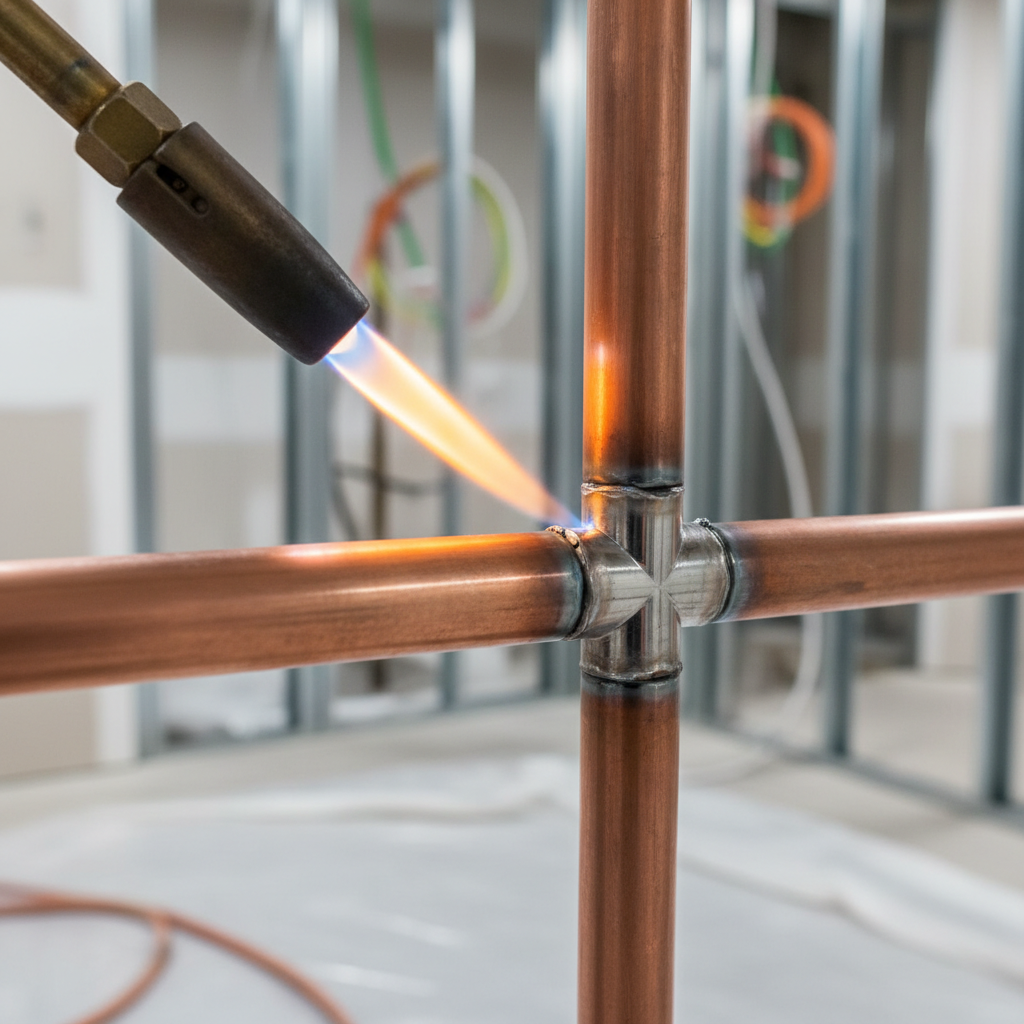
- Brazing: Joints must be brazed, not soldered. During brazing, a continuous purge of oil-free, dry nitrogen must be maintained to prevent the formation of toxic oxides inside the pipe.
- Labeling: Pipes must be clearly labeled with the gas name and flow direction at specific intervals and at every connection point.
Complementing NFPA 99 is the ASSE 6000 series of professional qualifications standards. For installation, the key certification is ASSE 6010, which designates a professional as a Medical Gas Systems Installer. Hiring an ASSE 6010 certified technician is non-negotiable for ensuring your system is installed correctly and safely.
Why this matters for compliance: Failure to adhere to NFPA 99 can result in catastrophic system failures, patient harm, and immediate facility shutdown orders from fire marshals or the Centers for Medicare & Medicaid Services (CMS). Using a certified medical gas installation provider like Medical Testing Solutions is the first step in building a compliant system from the ground up.
Choosing the Right Material: Copper Type L vs. Type M
While standard plumbing often uses various materials, medical gas distribution has strict requirements. The choice of copper tubing is critical for purity and pressure handling. NFPA 99 mandates either Type K or Type L seamless copper tubing.
Here’s a comparison of common copper pipe types:
| Feature | Type L (Medical Gas Standard) | Type M | ACR (Refrigeration) |
|---|---|---|---|
| Wall Thickness | Thicker, more durable | Thinner, lighter | Specific to HVAC pressures |
| Pressure Rating | High; suitable for medical gas pressures | Lower; not for medical gas | Varies; not cleaned for O2 service |
| NFPA 99 Use | Approved for medical gas | Prohibited for medical gas | Prohibited for medical gas |
| Cleaning | Cleaned for oxygen service (ASTM B819) | Not cleaned for oxygen service | Not cleaned for oxygen service |
Using Type M pipe, a common shortcut by uncertified installers, is a serious code violation that can introduce contaminants and risk system integrity. All tubing used by Medical Testing Solutions is certified ASTM B819 medical-grade Type L copper, delivered sealed and ready for installation.
The Installation Process: From Design to Final Connection
A compliant medical gas piping installation is a multi-step process that requires meticulous planning and execution by ASSE 6010 certified installers.
- System Design & Sizing: The process begins with a detailed assessment of the facility's needs. Pipe diameters are calculated based on the number of terminals, gas types, and required flow rates to prevent pressure drops.
- Pipe Routing & Preparation: Pipes are routed through ceilings and walls, carefully avoiding interference with other utilities. Installers cut, ream, and clean the tubing ends to ensure a perfect surface for brazing.
- Nitrogen Purge & Brazing: This is one of the most critical steps. As the installer brazes each joint, they maintain a slow, steady flow of nitrogen through the pipe. This inert gas displaces oxygen, preventing the formation of toxic black copper oxide on the interior pipe surface.
- Zone Valve & Alarm Placement: Zone valve boxes are installed to isolate specific areas of the facility (e.g., an operating room, a patient wing) for maintenance or emergencies. These are integrated with master and area alarm panels.
- Terminal Installation: Outlets and inlets for specific gases (O2, N2O, Med Air, Vac) are installed in patient rooms, operating suites, and procedure areas. These are indexed by gas to prevent accidental cross-connection.