Medical Gas Piping Installation in Roanoke VA: A Guide to NFPA 99 Compliance
Medical gas piping is the circulatory system of a healthcare facility. These critical networks deliver life-sustaining gases like oxygen, medical air, and nitrous oxide to patient care areas. For facilities in Roanoke, Virginia, ensuring this piping is installed correctly isn't just a matter of operational efficiency, it's a fundamental requirement for patient safety and regulatory compliance. A flawless installation, performed by ASSE 6010 certified professionals, is the foundation of a safe and reliable medical gas system.
This guide provides a definitive overview of the medical gas piping installation process, from selecting the right materials to final verification. We will explore the stringent codes of NFPA 99, the specific requirements for copper tubing, the step-by-step installation process, and how to choose a qualified installer. Whether you are managing a hospital, an ambulatory surgery center (ASC), a dental clinic, or a veterinary practice in the Roanoke area, this article will equip you with the knowledge to ensure your project meets the highest standards of safety and compliance.
Understanding the Code: NFPA 99 Requirements
The National Fire Protection Association (NFPA) 99, Health Care Facilities Code, is the cornerstone of medical gas system regulation. It outlines the minimum criteria for the design, installation, inspection, testing, and maintenance of these systems. For piping installation, Chapter 5 is paramount.
Key NFPA 99 mandates include:
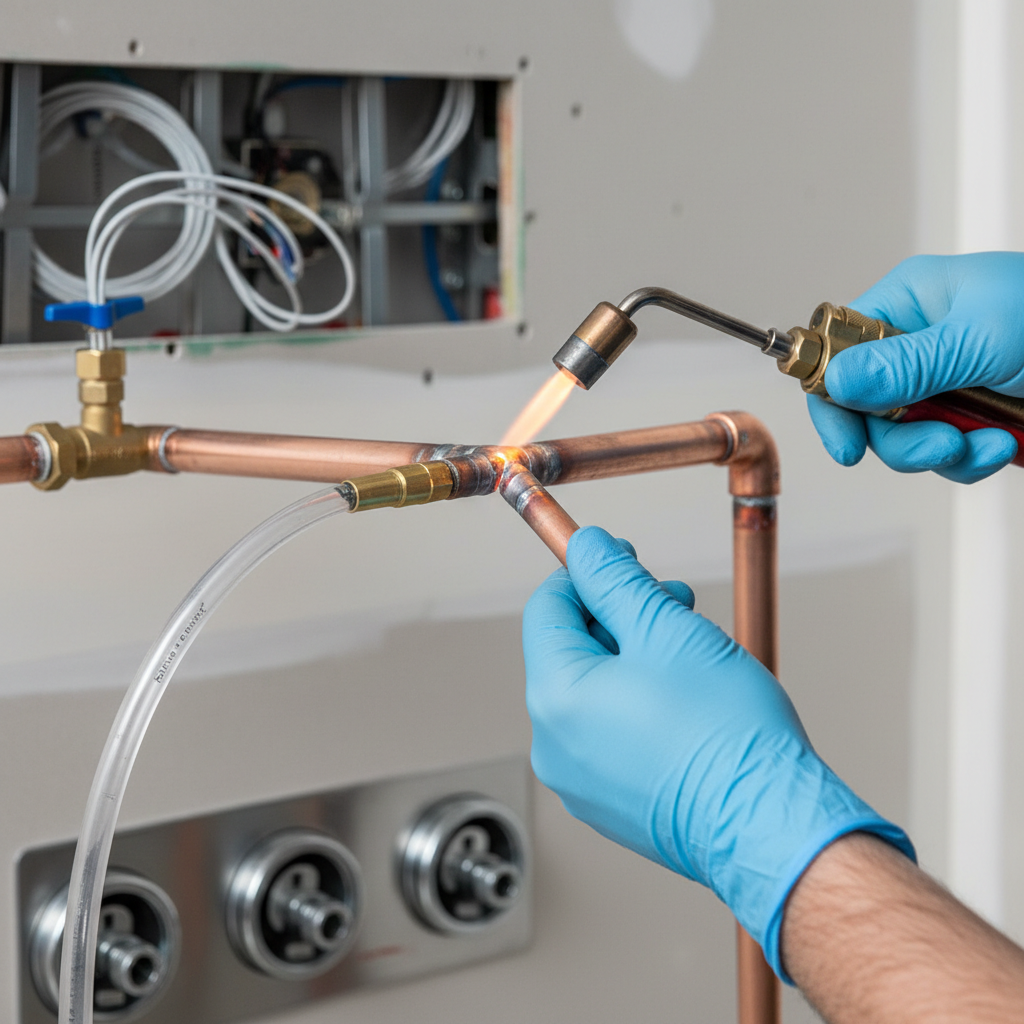
- Material and Brazing: All medical gas piping must be seamless Type K or Type L copper tubing, cleaned for oxygen service (ASTM B819). All joints must be brazed, not soldered. Brazing creates a much stronger, high-temperature bond suitable for medical gas pressures. The brazing process itself is highly regulated, requiring a continuous nitrogen purge to prevent internal oxidation (scaling).
- Installer Certification: The code mandates that all installation work be performed by individuals certified to the ASSE 6010 Professional Qualification Standard for Medical Gas Systems Installers. This certification ensures the technician has the proven knowledge and skill to execute the work safely and correctly.
- System Verification: After installation and before the system is used for patient care, a complete medical gas verification must be performed by an ASSE 6030 certified verifier. This independent, third-party inspection confirms that the system is safe, leak-free, and delivering the correct gas at each outlet.
Why this matters for compliance: Adherence to NFPA 99 is not optional. Regulatory bodies like The Joint Commission (TJC), DNV, and state health departments enforce these standards. Non-compliance can result in costly project delays, failed inspections, and, most importantly, unacceptable risks to patient safety. Partnering with a firm like Medical Testing Solutions, which specializes in ASSE-certified medical gas installation, is the first step toward a compliant system.
Copper Piping: Why Type L is the Standard
NFPA 99 permits both Type K and Type L rigid copper tubing. While both are suitable, Type L has become the de facto standard for most medical gas installations in hospitals, surgery centers, and clinics across Virginia.
Here’s a comparison:
| Feature | Type L Copper | Type K Copper |
|---|---|---|
| Wall Thickness | Standard thickness | Thicker, more robust wall |
| Pressure Rating | More than sufficient for medical gas | Highest pressure rating |
| Common Use | Above-ground medical gas distribution | Underground supply lines, high-pressure mains |
| Cost & Availability | More cost-effective, widely available | More expensive, less common for interior piping |
| Flexibility | Rigid, requires brazed fittings for turns | Rigid, requires brazed fittings for turns |
For the vast majority of applications within a Roanoke facility, from the source equipment to the patient room outlets, Type L copper provides the required durability and performance at a more practical cost. Type K is typically reserved for main supply lines from an outdoor bulk oxygen tank, where it may be buried underground.
The ASSE 6010 Installation Process: Step-by-Step
A compliant medical gas piping installation follows a meticulous, documented procedure executed by an ASSE 6010 certified installer. This isn't general plumbing; it's a specialized trade.
- Project Review and Preparation: The process begins by reviewing the facility's engineering drawings. The installation team verifies pipe sizes, routing, and outlet locations to ensure they meet the design specifications and clinical needs.
- Material Handling: All copper pipes and fittings arrive on-site capped and sealed from the manufacturer. They must be stored in a clean, dry location. Installers handle the materials carefully to prevent any contamination from entering the piping.
- Pipe Cutting and Deburring: Pipes are cut to length using a dedicated, clean tube cutter. The cut end is then carefully deburred to create a smooth surface for the brazed joint.
- Nitrogen Purge: This is a critical, non-negotiable step. During brazing, a low flow of dry nitrogen is passed through the pipe. This inert gas displaces the oxygen, preventing the formation of copper oxide scale on the interior surface. This black scale can flake off, contaminate the gas stream, and damage sensitive medical equipment.
- Brazing: Using an oxy-acetylene torch, the installer heats the joint to the proper temperature. A silver brazing alloy (typically BCuP-5) is applied, which melts and is drawn into the joint by capillary action, forming a permanent, leak-proof seal.
- Labeling and Zoning: All piping is meticulously labeled with the gas name and flow direction at specific intervals, per NFPA 99. Zone valves are installed to isolate different areas of the facility (e.g., an operating room, a patient wing) for maintenance or emergencies.
- Initial Pressure Test: Once the piping network is complete, the installer performs an initial pressure test to check for leaks. This is typically done with nitrogen at a pressure 1.5 times the system's working pressure.
Post-Installation: Verification and Certification
After the ASSE 6010 installer's work is done, the system is not yet ready for patient use. The final, critical phase is third-party verification, performed by a separate entity like Medical Testing Solutions. Our ASSE 6030 certified verifiers conduct a battery of tests required by NFPA 99, including:
- Standing Pressure Test: A 24-hour test to ensure there are no leaks in the system.
- Cross-Connection Test: Verifies that each outlet delivers only the gas specified for it.
- Purity and Particulate Tests: Confirms the gas flowing from each outlet is clean and meets USP requirements.
- Alarm and Valve Testing: Ensures all warning systems and zone valves function as designed.
Only after passing every test in the verification process can the system be certified and turned over to the facility for clinical use. This rigorous process ensures the safety and integrity of the entire medical gas system certification.
Serving All Roanoke Healthcare Facilities
Medical Testing Solutions provides expert medical gas piping installation for a wide range of facilities in the Roanoke, VA area and beyond.
- Hospitals: Complex systems requiring meticulous planning and integration with large-scale source equipment like bulk oxygen tanks and medical air compressors.
- Ambulatory Surgery Centers (ASCs): Require compact, efficient systems for operating rooms, pre-op, and recovery areas.
- Dental and Oral Surgery Offices: Specialized installations for nitrous oxide and oxygen delivery, often integrated with dental flowmeter equipment.
- Veterinary Clinics and Hospitals: Safe and reliable installation of oxygen and other anesthetic gas delivery systems for animal care.