Medical Gas Piping Installation in Lynchburg, VA: A Guide to NFPA 99 Compliance
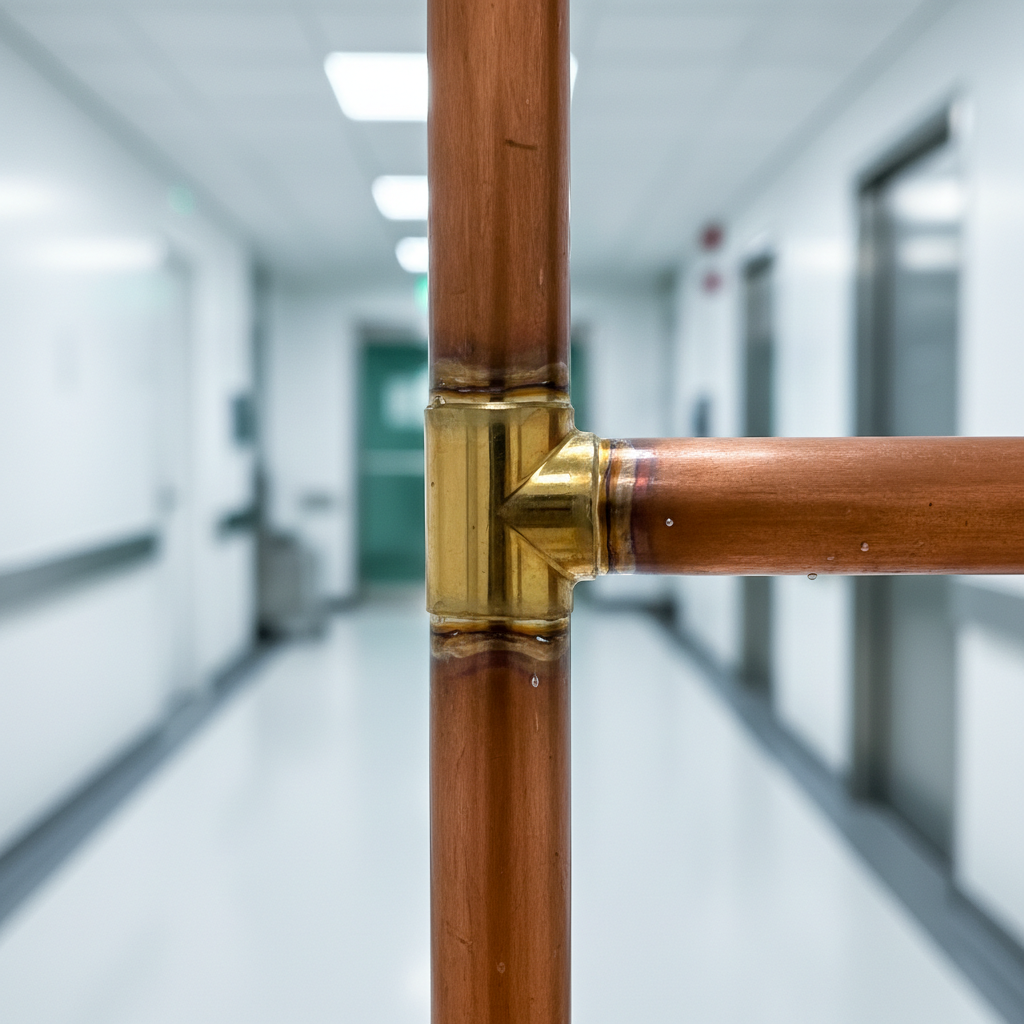
Understanding Medical Gas Piping: The Lifeline of Your Facility
Medical gas piping is the circulatory system of a healthcare facility. These complex networks deliver life-sustaining gases like oxygen, nitrous oxide, and medical air from a central source to patient rooms, operating theaters, and treatment areas. For facilities in Lynchburg, VA, ensuring this "medical gas piping installation" is performed correctly isn't just a matter of operational efficiency—it's a critical patient safety and regulatory compliance issue governed by strict national standards.
This guide will walk you through the essential requirements for a compliant medical gas pipeline system, focusing on the standards set by the National Fire Protection Association (NFPA). You will learn about:
- The role of NFPA 99 in medical gas installation.
- Choosing the right materials, specifically Type L vs. Type K copper tubing.
- The qualifications required for installers, as defined by ASSE 6010.
- The crucial final step: system verification.
- How Medical Testing Solutions can ensure your Lynchburg facility meets every standard.
NFPA 99: The Gold Standard for Medical Gas Systems
The NFPA 99, Health Care Facilities Code, is the foundational document for medical gas and vacuum systems in the United States. It provides a risk-based framework, classifying systems based on the potential impact of their failure on patients. For any "medical gas piping installation in Lynchburg VA," adherence to NFPA 99 is non-negotiable.
Key NFPA 99 Requirements for Piping Installation (Chapter 5):
- Material and Workmanship: The code specifies acceptable materials, primarily seamless copper tubing, and sets a high bar for the quality of installation workmanship.
- Brazing Procedures: All joints in copper medical gas pipelines must be brazed. The brazing process itself is highly regulated, requiring a specific nitrogen purge (NFPA 99, 5.1.10.11) to prevent the formation of harmful oxides inside the pipe.
- System Testing: Before any system is put into service, it must undergo a series of rigorous tests, including initial pressure tests and cross-connection tests.
- Documentation: Every step of the installation, from the initial design to the final verification, must be meticulously documented.
Why this matters for compliance: Failure to comply with NFPA 99 can result in project delays, costly rework, and potential decertification by accreditation bodies like The Joint Commission. More critically, it can create significant risks to patient safety.
Copper Tubing: Why Type L is the Standard
NFPA 99 specifies seamless copper tube meeting ASTM B819 standards. The two primary types you'll encounter are Type K and Type L. While both are high-quality, they differ in wall thickness, which affects pressure rating, durability, and cost.
| Feature | Type L Copper | Type K Copper |
|---|---|---|
| Wall Thickness | Standard | Thicker |
| Typical Use | Medical Gas Distribution | High-Pressure Risers, Underground |
| Flexibility | More flexible | Less flexible |
| Cost | Less expensive | More expensive |
| NFPA 99 Status | Standard for most applications | Required for specific high-pressure situations |
For the vast majority of medical gas distribution lines within walls and above ceilings in a Lynchburg hospital or dental clinic, Type L copper is the specified and appropriate choice. Type K is typically reserved for main supply lines or situations requiring higher pressure ratings.
The Installer: Your Most Important Decision (ASSE 6010)
You can have the best materials in the world, but if they aren't installed by a qualified professional, your system is at risk. This is where the ASSE 6000 series of standards comes in. Specifically, ASSE 6010 is the certification for Medical Gas Systems Installers.
An ASSE 6010 certified installer has demonstrated proficiency in:
- Understanding and applying NFPA 99 requirements.
- Proper brazing techniques, including the critical nitrogen purge.
- Assembling and installing system components like alarms, zone valves, and outlets.
- Performing the initial pressure tests required before the final verification.
When hiring a company for your medical gas piping project, demanding proof of ASSE 6010 certification for the individuals performing the work is essential. This is your primary assurance of a compliant and safe installation. At Medical Testing Solutions, our team holds the necessary credentials to perform these critical tasks.
The Installation and Verification Process
A compliant "medical gas piping installation" is a multi-step process that must be followed precisely.
- System Design & Planning: A thorough review of blueprints and facility needs.
- Material Sourcing: Procuring certified ASTM B819 seamless copper tubing and components.
- Installation & Brazing: The physical installation of pipes by an ASSE 6010 certified technician, including proper support, labeling, and brazing with a nitrogen purge.
- Initial Installer Testing: The installer performs initial pressure tests to ensure the integrity of their work before walls are closed.
- Final Verification: This is a critical, independent step. A certified ASSE 6030 Medical Gas Verifier (a separate and distinct certification from the installer) performs a battery of 18-21 tests on the system. This includes purity testing, pressure testing, and ensuring each outlet provides the correct gas. Learn more about our medical gas verification services.
Only after a successful third-party verification can the system be certified and put into patient use. Medical Testing Solutions provides comprehensive installation and verification services to ensure a seamless and compliant process from start to finish.
Common Applications in Lynchburg, VA
We provide installation services for a wide range of healthcare facilities, each with unique needs:
- Hospitals: Complex systems with a full range of gases, requiring extensive piping networks and alarm systems.
- Ambulatory Surgery Centers (ASCs): Similar to hospitals but on a smaller scale, with a focus on operating and recovery rooms.
- Dental Clinics: Primarily nitrous oxide and oxygen for sedation. We also offer specialized services for these systems, including dental flowmeter calibration.
- Veterinary Clinics: Often require oxygen and medical air, as well as waste anesthetic gas disposal (WAGD) systems.
FAQs about Medical Gas Piping Installation
Q: How often do medical gas systems need to be inspected?A: After the initial installation and verification, systems should undergo regular checks. We recommend annual medical gas inspections to ensure continued safety and performance, which helps maintain your system's integrity over the long term.
Q: Can existing piping be modified or extended?A: Yes, but any modification, no matter how small, must be treated like a new installation. This means it must be performed by an ASSE 6010 installer and independently verified by an ASSE 6030 verifier before the new section is used.
Q: What is a nitrogen purge and why is it important?A: During brazing, the high heat causes the copper to oxidize on the inside of the pipe. A continuous flow of dry nitrogen inside the pipe displaces the oxygen, preventing this oxidation. This is critical because those oxidized flakes can break off, contaminate the gas stream, and harm patients or damage equipment.
Q: Who is responsible for verifying the system?A: The facility owner is responsible for ensuring the system is verified. The verification must be performed by a third-party agency (like Medical Testing Solutions) that is independent of the installer to avoid conflicts of interest.
Your Partner for Compliant Medical Gas Installation in Lynchburg
Ensuring your medical gas piping is installed correctly is one of the most important investments you can make in patient safety and facility compliance. From initial design to final certification, the process requires expertise, precision, and a deep understanding of NFPA 99.
Medical Testing Solutions is your trusted, ASSE-certified partner in the Lynchburg, VA area. Our certified technicians have the experience and training to handle any installation, from a small dental clinic renovation to a new hospital wing.
Don't leave patient safety to chance. Contact us today for a consultation or to get a quote for your project. Call us at (754) 315-1078 or request a quote online to ensure your medical gas system is installed right, the first time.
This article is provided for educational purposes and reflects industry standards as of publication. Always verify against current NFPA 99, CGA, and AHJ requirements. Medical Testing Solutions is ASSE-certified and ready to help — contact us for facility-specific guidance.
Need Medical Gas Services?
Contact our certified team for inspections, verifications, installations, and more.
Get a Free Quote