Medical Gas Piping Installation in Lexington, KY: A Guide to NFPA 99 Compliance
Proper medical gas piping installation is not just a construction detail, it's a critical component of patient safety and facility compliance in Lexington, KY. From major hospitals to specialized dental surgery centers and veterinary clinics, the network of pipes delivering oxygen, nitrous oxide, medical air, and other gases is a lifeline. This guide provides a definitive overview of the process, standards, and materials required for a compliant medical gas pipeline system (MGPS), focusing on the use of Type L copper piping as mandated by NFPA 99.
You will learn the essential requirements for installation, the roles of certified personnel, the stringent testing and verification process, and how to partner with an experienced provider like Medical Testing Solutions to ensure your system is installed correctly from the start.
Understanding the Foundation: NFPA 99 and ASSE 6000 Standards
The installation of medical gas systems is highly regulated for obvious reasons: errors can have catastrophic consequences. The primary standard governing every aspect of medical gas and vacuum systems in U.S. healthcare facilities is the National Fire Protection Association's NFPA 99, Health Care Facilities Code. This code is not a suggestion; it's the law in most jurisdictions, including Kentucky.
For personnel, the ASSE/IAPMO/ANSI 6000 Series provides the nationally recognized certification standards. Key credentials include:
- ASSE 6010 Certified Installer: The only individual qualified to perform the physical work of installing the piping.
- ASSE 6030 Certified Verifier: A third-party professional who inspects and tests the completed installation to ensure it meets all NFPA 99 requirements.
- ASSE 6040 Certified Maintenance Personnel: For ongoing upkeep of the system.
Why this matters for compliance: Failure to use ASSE 6010 certified installers for your medical gas installation not only risks patient safety but will also result in a failed system verification, costly rework, and potential liability for the facility.
Choosing the Right Material: Why Copper Type L is the Standard
NFPA 99 is explicit about the materials used for medical gas distribution. The overwhelming standard is seamless copper tubing, specifically Type L or Type K.
- Type L (Hard-Drawn): Used for most exposed and accessible piping runs.
- Type K (Soft-Annealed): Often used for underground lines or in locations where flexibility is needed.
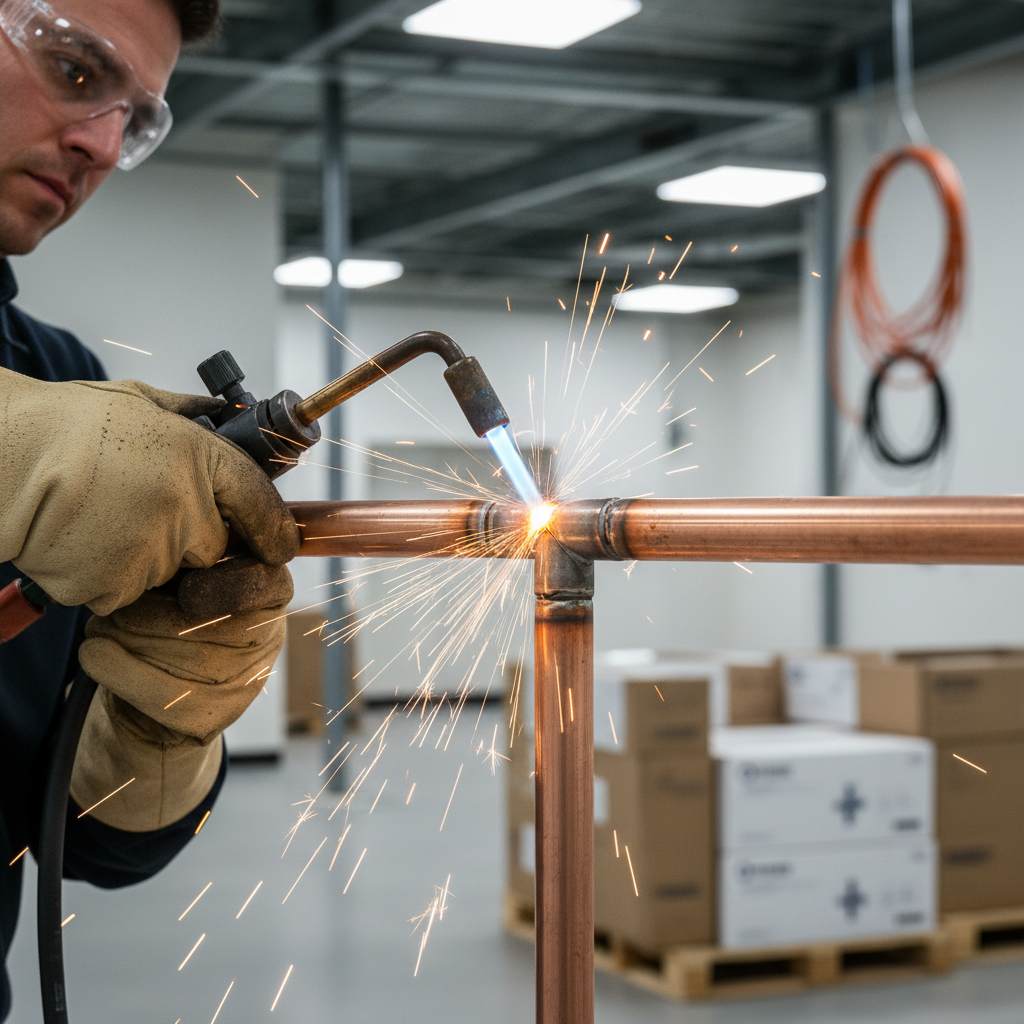
All piping must be medical-grade, meaning it has been cleaned, purged, and capped to prevent interior contamination. The fittings must be brazed, not soldered, using a nitrogen purge to prevent oxidation inside the pipe.
Comparison of Copper Pipe Types for Medical Gas
| Feature | Type K | Type L | Type M (Not for Med Gas) |
|---|---|---|---|
| Wall Thickness | Thickest | Medium | Thinnest |
| Primary Use (NFPA 99) | Medical Gas & Vacuum | Medical Gas & Vacuum | Prohibited for pressure lines |
| Pressure Rating | Highest | High | Lower |
| Cost | Highest | Moderate | Lowest |
| Notes | Often used for below-grade or demanding applications. | The most common type for general MGPS distribution. | Not strong enough for pressurized medical gas applications. |
The Installation Process: An ASSE 6010 Certified Approach
A compliant medical gas piping installation follows a meticulous, multi-stage process overseen by certified professionals. While every project is unique, the core steps remain consistent.
- System Design & Sizing: Engineers design the piping layout and calculate pipe diameters based on the facility's specific needs, including the number of terminals, gas types, and flow rate requirements.
- Material Handling: All pipes and components are stored in a clean, dry environment. End caps are kept on until the moment of installation to prevent contamination.
- Pipe Cutting & Preparation: Tubing is cut with a roller-type cutter to ensure a clean, square edge. The ends are then deburred to remove any sharp edges.
- Brazing with Nitrogen Purge: Using a brazing alloy (typically a copper-phosphorus or silver-based filler metal), fittings are joined to the pipe. During this entire process, oil-free, dry nitrogen is continuously flowed through the pipe. This "purge" displaces oxygen and prevents the formation of copper oxide scale on the interior pipe wall, which could otherwise flake off and contaminate the gas stream.
- Initial Installer Testing: The ASSE 6010 installer performs initial pressure tests (NFPA 99, Section 5.1.12.2) to check for leaks before closing up walls.