Medical Gas Piping Installation in Chesapeake VA: A Guide
Medical Testing SolutionsSeptember 8, 20266 min read
Share
Medical Gas Piping Installation in Chesapeake, VA: A Complete Guide to NFPA 99 Compliance
Proper medical gas piping installation is not just a construction detail, it's a critical component of life support and patient safety. For healthcare facilities in Chesapeake, Virginia, from sprawling hospitals to private dental practices, ensuring your medical gas systems are installed correctly is a matter of regulatory compliance and ethical responsibility. A faulty installation can lead to catastrophic failures, compromising patient care and putting your facility at risk. This guide provides a definitive overview of the process, standards, and expertise required for a compliant medical gas piping installation, focusing on the use of Type L copper tubing as mandated by the National Fire Protection Association (NFPA).
This article will walk you through the essential requirements outlined in NFPA 99, the role of ASSE 6010 certified installers, the critical verification process, and what to expect during a typical installation. You will learn the differences between copper pipe types, the importance of brazing techniques, and the steps necessary to ensure your system is safe, reliable, and fully compliant.
What is Medical Gas Piping?
Medical gas piping is a specialized network of pipes designed to deliver various medical gases from a central supply source to different points of use throughout a healthcare facility. These systems are fundamentally different from standard plumbing or mechanical piping due to the nature of the substances they transport, which include oxygen, medical air, nitrous oxide, nitrogen, and carbon dioxide.
These systems are the circulatory system of a hospital or clinic, essential for:
Patient Respiration: Delivering life-sustaining oxygen to patient beds and operating rooms.
Anesthesia: Supplying nitrous oxide and other gases for surgical procedures.
Surgical Tools: Powering pneumatic surgical equipment with nitrogen or medical air.
Given their critical function, these systems are regulated under stringent codes, primarily NFPA 99, the Health Care Facilities Code.
NFPA 99 Requirements for Piping: Why Copper Type L is Standard
The NFPA 99 code is unequivocal about the materials and methods for medical gas systems. The primary requirement is the use of seamless copper tubing, designated as Type K or Type L. While Type K has a thicker wall, Type L is the most commonly specified and used material for medical gas piping installation due to its excellent combination of pressure tolerance, durability, and cost-effectiveness.
Copper Tube Types Compared
Type
Wall Thickness
Common Applications
NFPA 99 Compliant?
Type L
Standard
Medical Gas, Commercial Plumbing, HVAC
Yes
Type K
Thickest
Underground Lines, Heavy-Duty Applications
Yes
Type M
Thinnest
Residential Plumbing
No
DWV
Drain/Waste/Vent
Non-Pressurized Sanitary Lines
No
All piping used for medical gas systems must be meticulously cleaned by the manufacturer to be suitable for oxygen service and delivered to the job site capped and sealed to prevent contamination. This is a critical step that distinguishes medical-grade copper from standard plumbing pipes.
Why this matters for compliance: Using the wrong type of copper (like Type M) or failing to use properly cleaned and capped tubing is a direct violation of NFPA 99 (Chapter 5). This can lead to immediate project failure during inspection and require a complete, costly replacement of the non-compliant piping.
The Installation Process: From Blueprint to Patient Use
A compliant medical gas piping installation is a multi-stage process that requires meticulous planning and execution by certified professionals. At Medical Testing Solutions, our ASSE 6010 certified installers follow a rigorous, phased approach.
Phase 1: Design and Pre-Construction
System Design: A licensed engineer designs the piping layout based on the facility's needs, calculating flow rates, pipe sizes, and valve locations.
Material Sourcing: All copper tubing (Type L or K), fittings, and components are sourced from reputable manufacturers and verified for compliance (e.g., cleaned for oxygen service).
Site Preparation: The installation area is prepared, ensuring clean and safe access for the installation team.
Phase 2: Brazing and Assembly
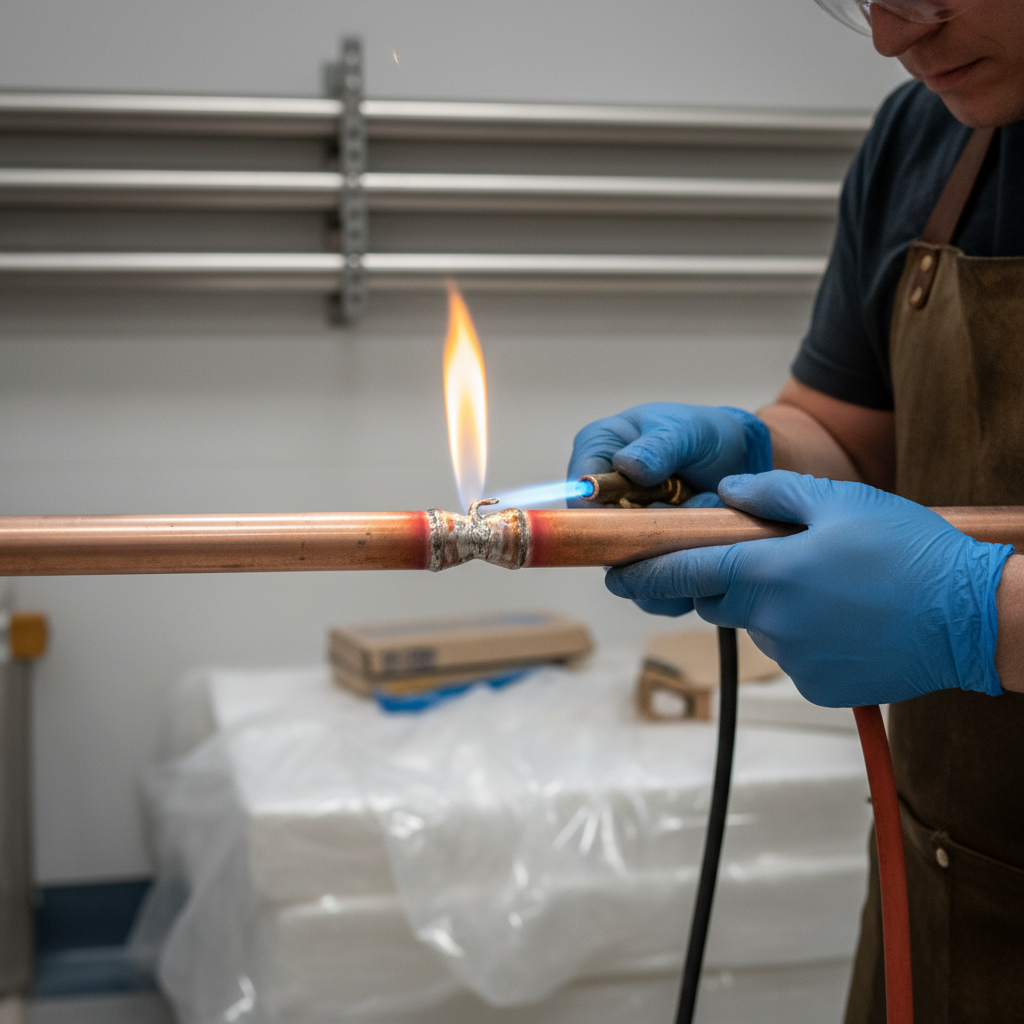
This is where the skill of the ASSE 6010 certified installer is paramount. Unlike soldering, which is prohibited, all joints in a medical gas pipeline must be brazed.
Nitrogen Purge: During brazing, a continuous flow of oil-free, dry nitrogen is passed through the pipe. This "purge" displaces oxygen, preventing the formation of copper oxide scale on the interior surface of the pipe. This scale, if present, can flake off and contaminate the gas stream, posing a serious risk to patients.
Brazing Technique: Using a specific brazing alloy (typically a copper-phosphorus or silver-based alloy), the installer heats the joint to the correct temperature and creates a permanent, leak-proof seal.
Phase 3: Initial Installer Testing
Once the piping is assembled, the installers perform their own series of tests to ensure the integrity of their work before the formal verification process. This includes:
Initial Pressure Test: The system is pressurized to check for any leaks at the joints.
Purity Test: Ensuring the nitrogen purge was effective and the pipe interior is clean.
The Critical Role of ASSE 6030 Verification
After the installation is complete, the system cannot be put into service until it has been independently verified by an ASSE 6030 certified verifier. This is a non-negotiable step required by NFPA 99. The verifier acts as an impartial, third-party inspector to ensure the system is safe and compliant. Medical Testing Solutions provides this crucial third-party medical gas verification service across the Chesapeake area.
The verification process is exhaustive and includes:
Purity-in-Gas Testing: Confirming that each gas outlet delivers the correct gas with no cross-contamination.
Pressure and Flow Tests: Ensuring the system operates at the correct pressures and can deliver the required flow rates to all outlets.
Alarm and Valve Testing: Verifying that all master alarms, area alarms, and zone valves function correctly.
Labeling and Documentation Review: Ensuring all pipes, outlets, and components are labeled correctly and that the installer has provided all necessary documentation.
Only after passing this rigorous inspection can the system be certified and put into patient use.
Finding a Certified Installer in Chesapeake, VA
When selecting a company for your medical gas piping installation, certification is key. Your chosen partner must employ installers holding a current ASSE 6010 credential. This certification ensures the individual has passed a comprehensive exam and has the practical skills to perform the work according to NFPA 99 standards.
Medical Testing Solutions is a premier provider of medical gas services, including ASSE 6010 installation, for the Chesapeake, VA region. Our team has the expertise to handle projects for:
Hospitals: Complex, large-scale installations for new wings and renovations.
Ambulatory Surgery Centers (ASCs): Efficient, code-compliant systems for outpatient surgical environments.
Dental Offices: Specialized installations for nitrous oxide and oxygen sedation systems.
Veterinary Clinics: Safe and reliable systems for animal anesthesia and care.
Get Your Project Done Right the First Time
A compliant medical gas piping installation is foundational to patient safety. It demands specialized knowledge, certified expertise, and an unwavering commitment to quality. Attempting to cut corners by using uncertified installers or non-compliant materials will inevitably lead to failed inspections, costly rework, and dangerous delays.
For healthcare facilities in Chesapeake, VA, partnering with a proven, certified expert is the only path forward. The team at Medical Testing Solutions has the training, credentials, and experience to ensure your installation is performed correctly and efficiently, from the first piece of copper to the final verification report.
If you are planning a new construction, renovation, or system upgrade, contact us today. Call us at (754) 315-1078 or request a quote online to discuss your medical gas piping installation project.
Frequently Asked Questions
Brazing is performed at a much higher temperature than soldering and uses a different filler material. NFPA 99 mandates brazing for medical gas piping because it creates a much stronger, more reliable joint that can withstand the system's pressures and ensure purity.
After the initial installation and verification, all medical gas systems require regular inspection. Annual inspections are a standard requirement to ensure continued safety, performance, and compliance.
No. NFPA 99 requires that medical gas and vacuum systems be installed by qualified individuals who hold an ASSE 6010 certification. Standard plumbers typically do not hold this specialized credential.
If a system fails verification, the ASSE 6030 verifier will provide a detailed report of the deficiencies. The original installer is responsible for correcting all issues (e.g., fixing leaks, re-brazing joints, correcting cross-connections) before a re-inspection can occur. The system cannot be used until it passes verification.
Request a quote for your facility
Talk with Medical Testing Solutions about your next inspection, repair or equipment request.