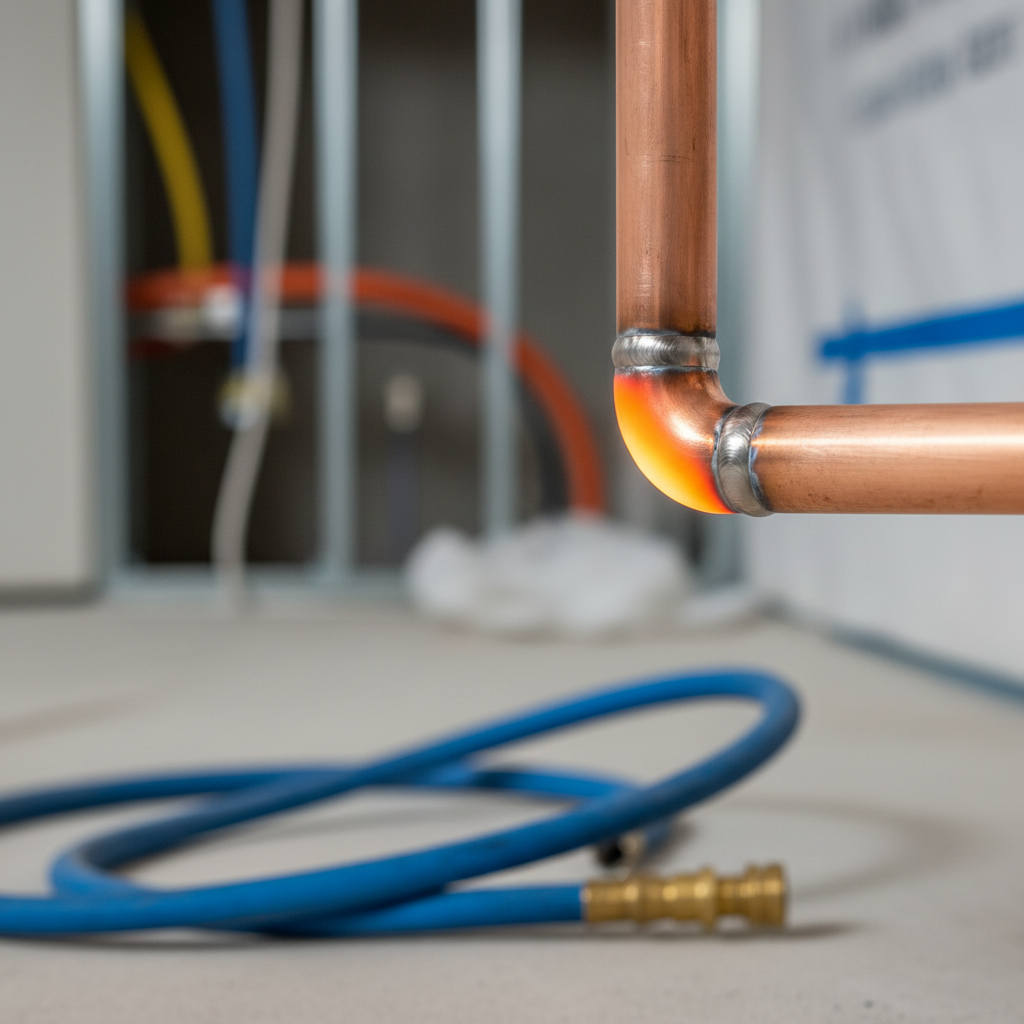
Medical Gas Piping Installation in Charleston, SC: A Comprehensive Guide for Healthcare Facilities
Medical gas systems are a critical life-support utility in healthcare facilities, from large hospitals to specialized dental surgery centers. The proper installation of medical gas piping is not just a matter of operational efficiency but a fundamental requirement for patient safety and regulatory compliance. For facility managers and administrators in Charleston, SC, understanding the nuances of a compliant installation is paramount. This guide provides a definitive overview of the process, standards, and requirements for medical gas piping installation, ensuring your facility meets the stringent demands of NFPA 99 and ASSE 6000 series standards.
This article will walk you through the entire lifecycle of a medical gas installation project. We'll cover the essential design and planning phases, the specifics of using Type L copper piping, the rigorous installation and brazing procedures, and the critical final verification and certification stages. Whether you are building a new facility or upgrading an existing one in the Charleston area, this information will help you ensure your medical gas system is safe, reliable, and fully compliant.
Understanding the Core Components and Standards
The foundation of any compliant medical gas system is a thorough understanding of the governing standards and the materials required. These regulations are in place to mitigate risks such as cross-connections, contamination, and system failures, which could have catastrophic consequences for patients.
NFPA 99: The Health Care Facilities Code
The National Fire Protection Association (NFPA) 99, Health Care Facilities Code, is the cornerstone of medical gas system regulation in the United States. It defines the risk-based categories for healthcare facilities (Category 1 through 4) and specifies the minimum criteria for the design, installation, inspection, testing, and maintenance of these systems. For medical gas piping, Chapter 5 is of particular importance, detailing requirements for everything from pipe materials and joint fittings to labeling and testing.
Why this matters for compliance: Failure to adhere to NFPA 99 can result in costly project delays, failed inspections, and significant safety hazards. A facility in Charleston, SC cannot achieve its certificate of occupancy without a fully verified and compliant medical gas system.
ASSE 6000 Series: Personnel Certification
The American Society of Sanitary Engineering (ASSE) 6000 series provides professional qualification standards for the individuals who work on medical gas systems. Key certifications include:
- ASSE 6010: For Medical Gas Systems Installers. Anyone performing the installation and brazing of medical gas piping must hold this certification.
- ASSE 6030: For Medical Gas Systems Verifiers. These third-party inspectors are responsible for the detailed testing and final verification of the system before it can be used.
- ASSE 6040: For Medical Gas Systems Maintenance Personnel. This covers the ongoing upkeep and repair of the systems.
When hiring a company for medical gas installation, it is crucial to ensure their personnel hold the appropriate ASSE certifications. Medical Testing Solutions ensures all its installers are ASSE 6010 certified, providing the expertise needed for a compliant installation.
Design and Planning: The Blueprint for Success
A successful medical gas piping installation begins long before the first pipe is cut. The design phase is critical and requires collaboration between architects, engineers, and certified medical gas specialists.
System Sizing and Layout
The design must account for the specific needs of the facility. This includes:
- Gas Types: Determining which gases are needed (e.g., Oxygen, Medical Air, Nitrous Oxide, Carbon Dioxide, Nitrogen, WAGD).
- Outlet Locations: Mapping the precise location and number of terminal outlets in patient rooms, operating rooms, and other critical areas.
- Pipe Sizing: Calculating the appropriate pipe diameters to ensure adequate pressure and flow to all outlets, even at peak demand. This calculation is a critical engineering task to prevent pressure drops that could affect life-support equipment.
Material Selection: Why Copper Type L is the Standard
NFPA 99 mandates the use of seamless copper tubing for medical gas distribution. Specifically, Type L or Type K copper is required. Type L is most commonly used for its balance of strength and workability.
| Tubing Type | Description | Common Use Case | NFPA 99 Compliance |
|---|---|---|---|
| Type L | Hard-drawn, seamless copper | Standard for medical gas distribution lines | Yes, required (ASTM B819) |
| Type K | Thicker wall than Type L | Often used for high-pressure or underground runs | Yes, required (ASTM B819) |
| Type M | Thinner wall | Prohibited for medical gas systems | No |
| ACR | Air Conditioning/Refrigeration | Prohibited for medical gas systems | No |
The copper tubing must also be cleaned for oxygen service and delivered to the job site capped and sealed from the manufacturer to prevent contamination.