Proper medical gas installation is not a matter of convenience, it's a critical component of patient safety and facility compliance. For hospitals, dental clinics, and surgery centers in Washington D.C., a correctly installed medical gas system is the lifeblood of the facility, delivering vital gases like oxygen, medical air, and nitrous oxide. This guide provides a definitive overview of the medical gas installation process, from design-build considerations to final verification, all through the lens of NFPA 99 and ASSE 6000 series standards. You will learn what it takes to achieve a safe, reliable, and code-compliant medical gas system built for the long term.
Medical Gas Service
Compliance & Standards
Medical Gas Installation Washington DC DC: A Compliance Guide
Medical Testing SolutionsJune 22, 20266 min read
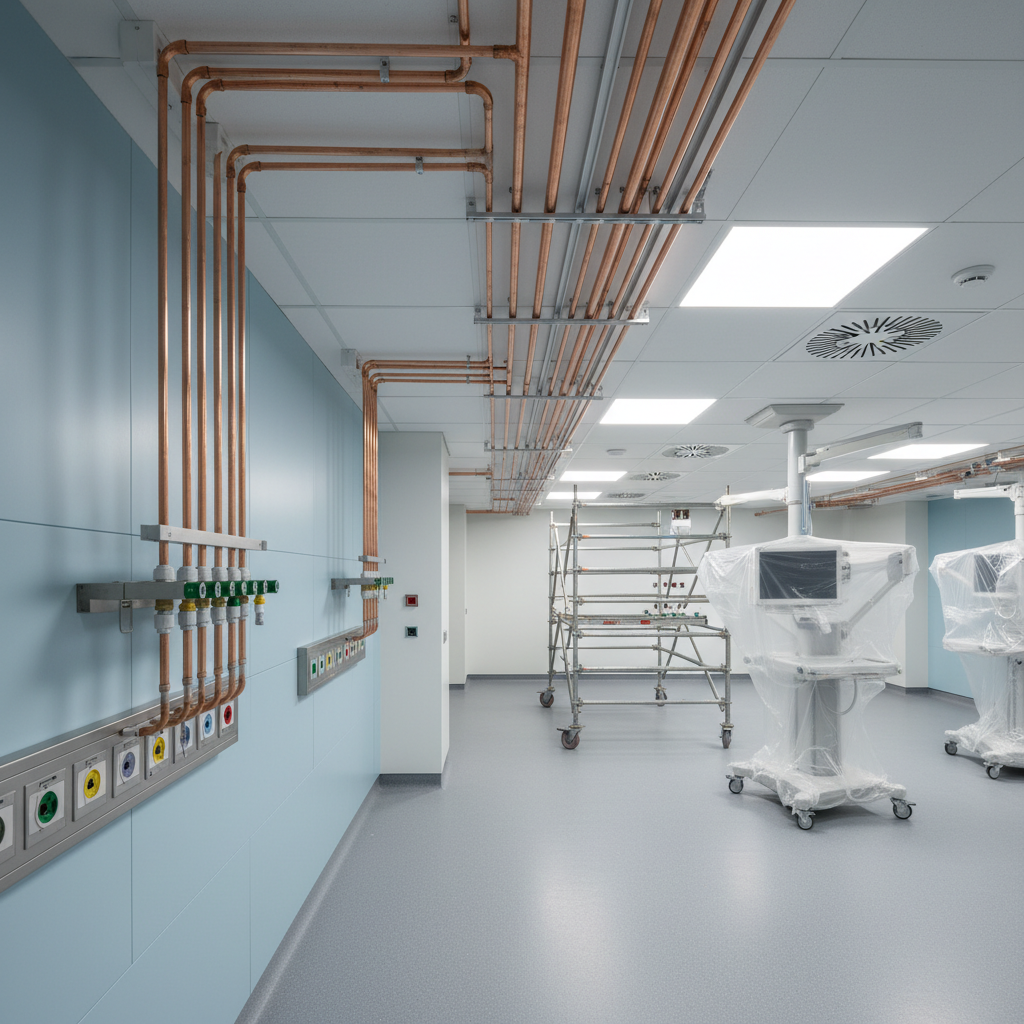
Why Code-Compliant Installation is Non-Negotiable
A medical gas system is a complex network of pipes, valves, alarms, and outlets that must function flawlessly 24/7. Unlike standard plumbing or HVAC, the consequences of failure, or improper installation, can be catastrophic. A crossed pipeline, a contaminated system, or an incorrect pressure level can lead to severe patient harm or death. For this reason, the industry is governed by stringent codes and standards, primarily the National Fire Protection Association's NFPA 99, Health Care Facilities Code.
In Washington D.C., as in the rest of the country, adherence to NFPA 99 is mandatory. The code outlines the minimum requirements for the design, installation, inspection, testing, and maintenance of medical gas and vacuum systems. A failure to comply can result in project delays, costly rework, failed inspections, and, most importantly, unacceptable risks to patients.
Why this matters for compliance: Local and state authorities, as well as accrediting organizations like The Joint Commission, base their inspections on NFPA 99. A non-compliant installation will prevent a facility from receiving its certificate of occupancy and can lead to significant penalties.
The Anatomy of a Medical Gas Piping System
A typical medical gas system consists of several key interconnected components:
- Source Equipment: Central supply systems such as bulk oxygen tanks, compressed medical air plants, and vacuum pumps.
- Main Pipelines: Large-diameter copper pipes that transport the gas from the source to different areas of the facility.
- Risers: Vertical pipes that distribute gas between floors.
- Branch Lines: Smaller pipes that run from the mains or risers to individual rooms.
- Zone Valve Boxes: Assemblies that allow specific "zones" of the facility to be isolated for maintenance or in an emergency.
- Alarms: Master, area, and local alarms that monitor pressure, vacuum levels, and gas quality, providing audible and visual warnings of any deviation from the setpoint.
- Outlets/Terminals: Quick-connect points in patient rooms and procedure areas where medical equipment is attached.
All piping must be Type K or L seamless medical copper (ACR is not a substitute) and be installed by individuals who are certified to the ASSE 6010 standard, which requires a rigorous brazing process to ensure the integrity of the joints.
The Turnkey Medical Gas Installation Process
A truly turnkey installation provides a seamless experience from concept to completion. This is the approach we take at Medical Testing Solutions, ensuring a single point of accountability throughout the project. The process generally follows these steps:
- Design and Engineering: The project begins with a detailed plan. In a design-build scenario, the installer collaborates directly with the facility and architects to create a system that is efficient, code-compliant, and tailored to the facility's specific clinical needs.
- Material Procurement: All materials, especially the copper piping and fittings, must be purchased from reputable suppliers and certified for medical gas use. They must be delivered to the site capped and cleaned.
- Piping Installation & Brazing: This is the core of the installation. ASSE 6010 certified installers cut, fit, and join the copper pipes. Every joint must be brazed in a nitrogen-purged environment to prevent the formation of copper oxides inside the pipe, which could otherwise be blown into a patient's lungs.
- Initial Testing: Throughout the installation, the installer performs initial pressure tests on sections of the piping to check for leaks before the walls are closed up.
- Placement of Components: Zone valves, alarm panels, and outlet rough-in plates are installed.
- Post-Installation System Testing: Once the full system is piped, a standing pressure test is performed on the entire network.
- Third-Party Verification: After the installer has completed their work and is confident in the system, an independent, third-party verifier must perform a series of tests. This crucial step is required by NFPA 99. The verifier ensures the system is safe and compliant. This includes tests for cross-connections, purity, pressure, and flow. Learn more about the importance of independent medical gas verification.
- Final Certification: Once the system passes all verification tests, the verifier provides the final medical gas certification, which is the documentation needed to open the facility.
Choosing a Qualified Medical Gas Installer in Washington D.C.
Not all mechanical or plumbing contractors are qualified to install medical gas systems. When selecting a partner for your Washington D.C. project, it is essential to verify their credentials. Look for:
- ASSE 6010 Certified Personnel: Ask to see the certifications for every individual who will be brazing the pipe. This is non-negotiable. The ASSE 6010 credential ensures the installer has passed a rigorous written exam and a practical brazing test.
- Deep NFPA 99 Expertise: The company should demonstrate a thorough understanding of the latest edition of the code.
- Proven Experience: Ask for a portfolio of similar projects in the D.C. area. A track record of successful installations in hospitals and surgery centers is a strong indicator of capability.
- Turnkey Capabilities: A company that can manage the entire process from design-build to providing preventive maintenance programs post-installation offers significant advantages in project coordination and long-term system reliability.
Medical Testing Solutions is a premier provider of turnkey medical gas installation services in the Washington D.C. metropolitan area. Our team consists of licensed and insured ASSE 6010 certified professionals with decades of experience in healthcare construction.
Comparing ASSE 6000 Series Certifications
The ASSE 6000 series provides a framework of qualifications for everyone involved in medical gas systems. Understanding the different roles is key to a compliant project.
| Certification | Professional Role | Key Responsibilities |
|---|---|---|
| ASSE 6010 | Medical Gas Systems Installer | Assembles, brazes, and installs medical gas and vacuum systems. Must ensure joints are leak-free and purified. |
| ASSE 6020 | Medical Gas Systems Inspector | Inspects the installation to ensure it meets code requirements (e.g., proper pipe sizing, support, and labeling). |
| ASSE 6030 | Medical Gas Systems Verifier | Performs the final, independent testing of the system for purity, pressure, flow, and cross-connections. |
| ASSE 6040 | Medical Gas Systems Maintenance | Performs routine maintenance, repairs, and service on existing medical gas system components. |
Your Compliance Partner in Washington D.C.
Navigating the complexities of a medical gas installation project requires a partner with specialized expertise. From ensuring every braze is perfect to coordinating with third-party verifiers, the process demands precision at every step. At Medical Testing Solutions, we provide the certified expertise and project management needed to deliver a safe, reliable, and fully compliant medical gas system for your Washington D.C. facility. Our commitment extends beyond the initial build, with comprehensive services including annual medical gas inspections to ensure your system remains in peak condition for years to come.
Frequently Asked Questions
ASSE 6010 is the credential for medical gas systems installers. To earn it, individuals must pass a challenging written and practical exam that proves their understanding of NFPA 99 and their ability to create a clean, leak-proof braze. It is the gold standard for ensuring the person installing your life-support system is qualified.
The timeline depends entirely on the project's scale and complexity. A small dental office renovation might take a few weeks, while a new hospital wing can take many months. A proper design-build approach can help streamline the schedule.
Installation is the physical act of building the system, performed by an ASSE 6010 professional. Verification is the independent, third-party testing performed by an ASSE 6030 certified individual *after* the installer is finished. NFPA 99 mandates that the verifier be an independent entity, not employed by the installer, to ensure unbiased testing and patient safety.
Yes. Medical gas work is considered a specialized part of the plumbing and mechanical scope. Permits must be filed with the D.C. Department of Consumer and Regulatory Affairs (DCRA) or the relevant local authority. The installer is typically responsible for securing the necessary permits.
NFPA 99 (Chapter 5) requires seamless copper tube of Type K or L, identified by its green (medical gas) or white (medical vacuum) color. It must be installed with specific brazing procedures using a nitrogen purge, appropriately supported, and labeled every 20 feet.
Request a quote for your facility
Talk with Medical Testing Solutions about your next inspection, repair or equipment request.