Medical Gas Installation Sarasota: A New Construction Playbook
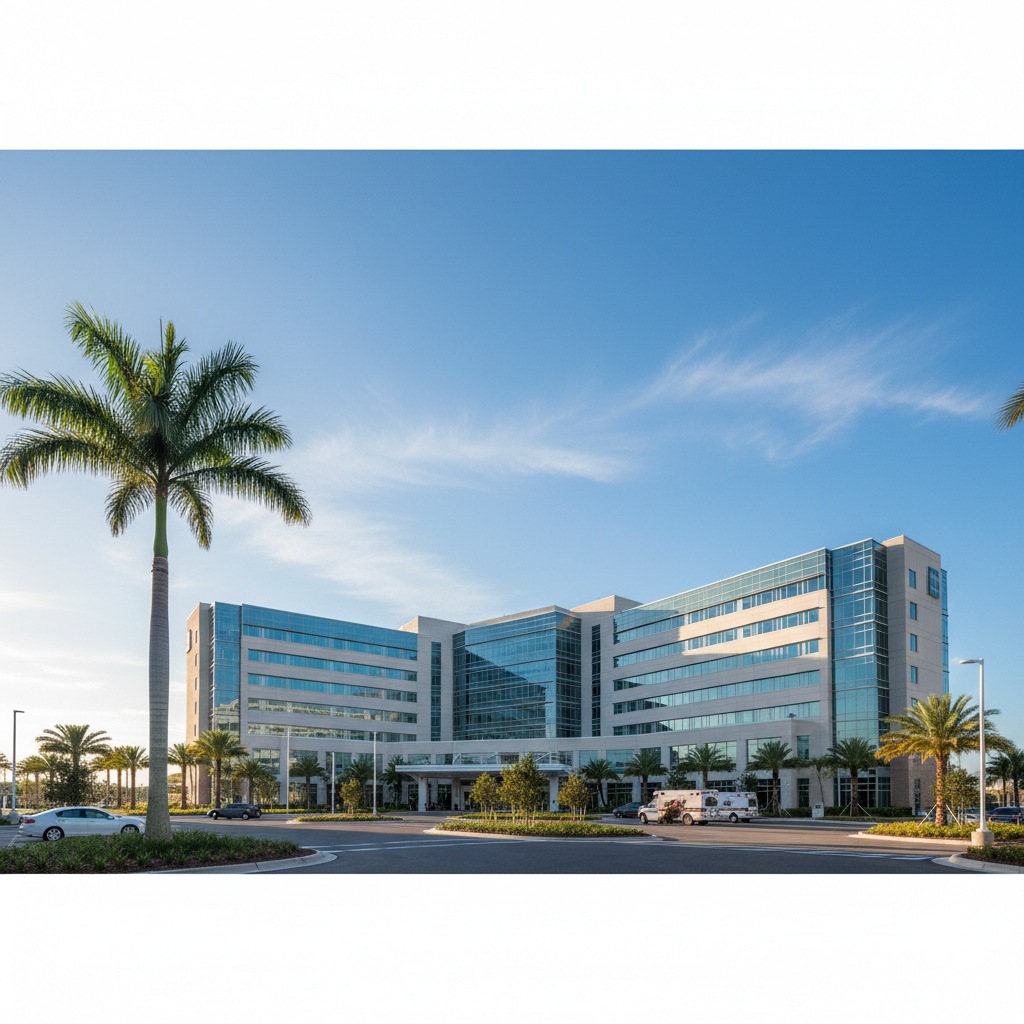
Planning a new healthcare facility, hospital expansion, or clinic renovation in Sarasota, Florida? The most critical life support system you'll install is one that's largely invisible: the medical gas network. A compliant, properly installed medical gas system is the functional heart of patient care, delivering life-sustaining gases from a central source to the point of use. For project managers, architects, and facility directors in Sarasota County, executing this installation flawlessly is non-negotiable for both patient safety and regulatory approval.
This definitive guide is your playbook for a successful medical gas installation in Sarasota. You will learn the entire process, from the initial design and engineering phase to the final ASSE 6030 verification required by the Florida Agency for Health Care Administration (AHCA). We'll cover the specific codes, certifications, and local requirements you need to know to bring your project online safely, on time, and on budget.
Understanding Medical Gas Installation for New Construction
A medical gas system installation is far more than plumbing. It's a complex, engineered network of specialized pipes, alarms, and outlets that deliver oxygen, medical air, nitrogen, nitrous oxide, and carbon dioxide, while also providing crucial suction through medical-surgical vacuum systems. In a new construction project, this system is integrated into the very bones of the building.
These systems are fundamental to operations in:
- Operating Rooms
- Recovery Areas (PACU)
- Intensive Care Units (ICU)
- Emergency Departments
- Patient Rooms
- Dental Offices and Surgical Suites
The design must account for the specific needs of the facility, calculating peak demand for each gas to ensure the system can perform under maximum load without failure. Getting it right from the blueprint stage is paramount, as post-construction modifications are disruptive and exponentially more expensive.
The Critical Role of ASSE Certification and NFPA 99 Standards
Compliance is the central pillar of medical gas installation. The codes and standards governing this work are rigorous, and for good reason. The primary standard is the NFPA 99, Health Care Facilities Code, which sets the safety criteria for all medical gas and vacuum systems. Florida, like most states, has adopted NFPA 99 into its building codes and healthcare regulations.
However, the code itself is just paper. The expertise to implement it comes from personnel certified under the ASSE 6000 Series standards. For a new construction project in Sarasota, you will encounter several key certifications:
- ASSE 6010 Medical Gas Systems Installer: The credential for the professional physically installing the piping network. They must prove their knowledge of NFPA 99, proper brazing techniques, and system components.
- ASSE 6015 Medical Gas Systems Brazer: A specialized certification ensuring that every joint in the copper piping is brazed to a standard that prevents leaks and ensures purity.
- ASSE 6030 Medical Gas Systems Verifier: The credential for the third-party inspector who performs the final, comprehensive tests on the system to certify it is safe for patient use. This is a non-negotiable step for AHCA approval.
Why This Matters for Compliance: Using uncertified personnel for installation or verification is a guarantee for project delays, failed inspections, and costly rework. AHCA reviewers and The Joint Commission (TJC) auditors will specifically look for documentation proving the work was performed by appropriately credentialed ASSE professionals.
Step-by-Step Medical Gas Installation Process in Sarasota
Every new construction project is unique, but the core process for a compliant medical gas installation follows a structured path.
Phase 1: Design & Pre-Construction
This is the most critical phase. A certified firm like Medical Testing Solutions (MTS) collaborates with your architects and engineers to design a system that meets the facility's clinical needs and all NFPA 99 requirements. This includes source equipment sizing (air compressors, vacuum pumps, manifolds), pipe sizing calculations, and placement of key components like zone valve boxes and alarms.
Phase 2: Rough-In & Installation
Once the designs are approved, ASSE 6010 certified installers begin the physical installation.
- Piping: Type L copper tubing, cleaned for oxygen service, is installed.
- Brazing: All joints are brazed by an ASSE 6015 certified individual using a nitrogen purge. This prevents the formation of carbonaceous-like residue inside the pipes, which could otherwise be delivered to patients.
- Component Placement: Outlets, alarms, and valves are placed according to the blueprints.
Phase 3: Initial Installer Testing
Before the walls are closed, the installing company performs an initial pressure test to check for leaks. This allows for corrections to be made easily. The installer provides a signed document attesting the system is ready for final verification.
Phase 4: Final Third-Party Verification
The moment of truth. An independent ASSE 6030 Verifier performs a battery of more than 20 tests on the system. This includes, but is not limited to, pressure tests, cross-connection tests, gas concentration tests, and particulate tests. The verifier is an unbiased party whose job is to find any issues before the system is used on a patient. This ASSE 6030 final verification is the key deliverable for your regulatory paperwork.
Florida-Specific Requirements: Navigating AHCA and Local Regulations
Installing a medical gas system in Sarasota means meeting the stringent requirements of the Florida Agency for Health Care Administration (AHCA).
- AHCA Form 3110: The final verification report is a primary component of the documentation required by AHCA for licensure and project completion. The report must be signed by an ASSE 6030 Verifier and demonstrate full compliance with Chapter 59A of the Florida Administrative Code.
- Hurricane Re-Verification: Given Sarasota's location, hurricane preparedness is essential. NFPA 99 Section 5.1.12 mandates re-verification of the system if it loses pressure for any reason, including storm-related damage or shutdowns. Medical Testing Solutions' South Florida crews can mobilize quickly post-storm to ensure facilities like those in the BayCare Health System or AdventHealth networks can get back online safely.
- Joint Commission (TJC) Requirements: A proper installation and verification report are your baseline for future success. TJC surveyors for hospitals like UF Health Shands will scrutinize your ongoing maintenance and annual inspections records, which all originate from a compliant initial installation.
Choosing Your Medical Gas Partner in Florida: The MTS Advantage
When selecting a company for your medical gas installation and verification, local expertise and availability are key. Medical Testing Solutions (MTS) is an ASSE-certified medical gas service and equipment company headquartered right here in Florida, at 501 East Las Olas Blvd, Ste 300, Fort Lauderdale, FL 33301.
For projects in Sarasota, this presents a massive advantage. Because our teams are based in-state, we charge absolutely NO travel fees, NO lodging costs, and NO per-diem for work anywhere in Florida. For most new construction projects, this results in savings of 10–25% compared to out-of-state verifiers who must pass on those costs.
We provide certified installation (ASSE 6010) and verification (ASSE 6030) services, ensuring a seamless, expert-led process from start to finish. Our deep experience working with AHCA means we deliver compliant, audit-proof documentation every time.
Common Medical Gas Systems in Sarasota Healthcare Facilities
Below is a quick reference table for the primary gases used in a hospital setting.
| Gas System | NFPA 99 Color | Common Uses | Key Installation Concern |
|---|---|---|---|
| Oxygen (O2) | Green | Respiration, life support | Fire risk, cleanliness of components, and leak-free joints |
| Medical Air (MedAir) | Yellow | Patient breathing, driving pneumatic surgical tools | Contaminant-free air source, dew point, proper filtration |
| Medical-Surgical Vacuum | White | Suctioning fluids and debris from patients | Proper pump sizing for demand, consistent negative pressure |
| Nitrous Oxide (N2O) | Blue | Anesthesia, pain management | Proper scavenging (WAGD), preventing cross-connection |
| Waste Anesthetic Gas (WAGD) | Purple | Scavenges excess anesthetic gases from the OR | Active and adequate suction to protect staff from exposure |
Post-Installation: Verification, Certification, and Ongoing Maintenance
Once your system passes the final verification, the verifier provides the signed documentation necessary for your Certificate of Occupancy. But the work doesn't stop there. A medical gas system requires ongoing preventative maintenance and annual inspections to remain compliant and safe. MTS provides comprehensive service plans to ensure your facility remains audit-ready for its entire lifecycle.
As a Florida-based company, we serve healthcare facilities across Florida, providing a single point of contact for all your medical gas needs, from the initial build to long-term maintenance.
Frequently Asked Questions (FAQs)
What is the first step in a medical gas installation project?The first step is a comprehensive design and planning phase, involving architects, engineers, and a certified installer like Medical Testing Solutions to develop blueprints that comply with NFPA 99 and meet the facility's specific needs.
How long does a medical gas installation take in a new Sarasota facility?The timeline varies with project size and complexity, from a few weeks for a small clinic to several months for a large hospital. Key factors include design approval, equipment lead times, and coordination with other construction trades.
Why is an ASSE 6010 certified installer important?An ASSE 6010 certified installer has proven expertise in the complete installation process, ensuring the system is built safely and according to strict NFPA 99 code. Using a certified professional is a critical step for compliance and patient safety.
Do I need a separate company for verification after installation?While the same company can have separate, certified individuals for installation (ASSE 6010) and verification (ASSE 6030), using a third-party verifier is the industry best practice to ensure unbiased testing and reporting, which is often required for AHCA compliance. MTS provides both services with dedicated, certified personnel for each stage.
Your Partner for Compliant Medical Gas Installation in Sarasota
Don't leave the most critical life-support system in your new facility to chance. Partner with a local Florida expert who understands the codes, the climate, and the regulatory landscape. Call our Fort Lauderdale office at +1 (754) 315-1078 for same-day dispatch and consultation in South Florida, and expert service statewide. Let us show you how our local presence can save you time and money on your Sarasota project.
Get your free quote today and ensure your medical gas installation is done right the first time.'''
This article is provided for educational purposes and reflects industry standards as of publication. Always verify against current NFPA 99, CGA, and AHJ requirements. Medical Testing Solutions is ASSE-certified and ready to help — contact us for facility-specific guidance.
Need Medical Gas Services?
Contact our certified team for inspections, verifications, installations, and more.
Get a Free Quote