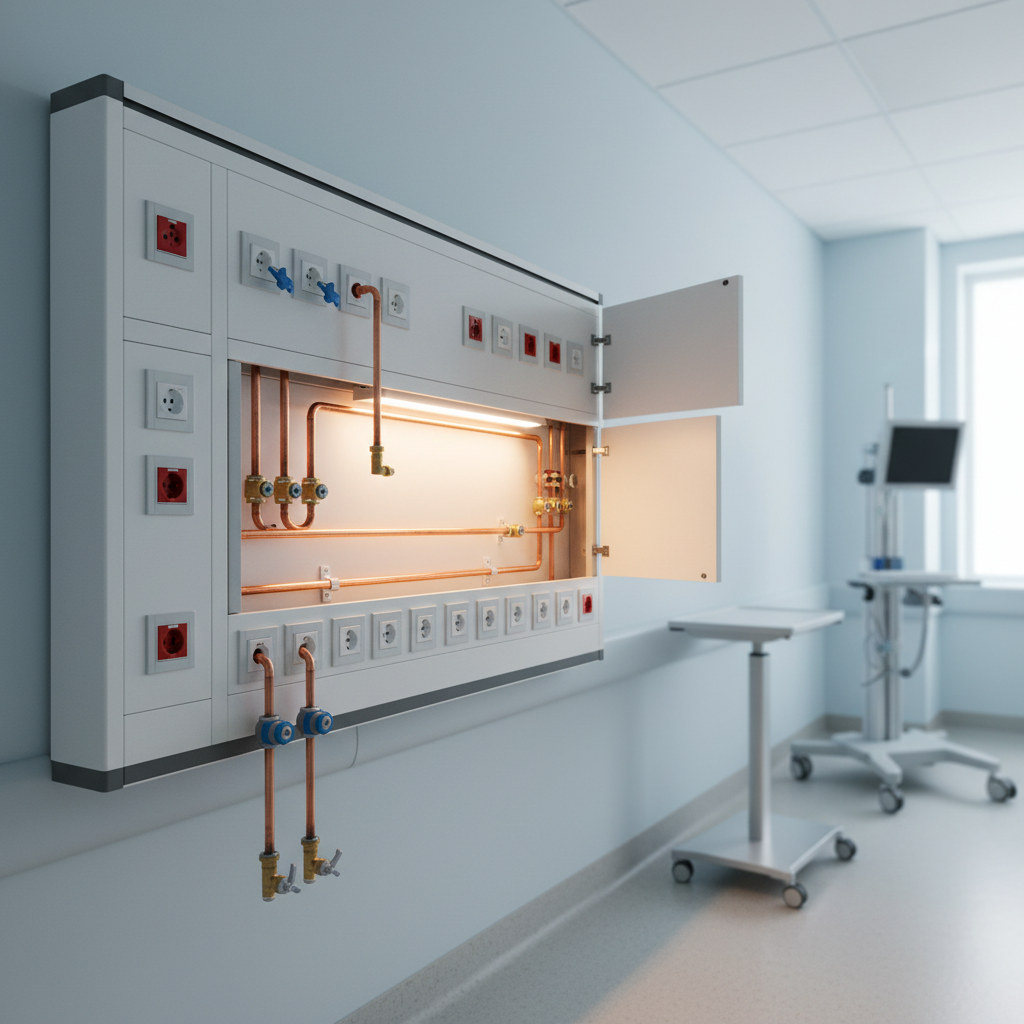
A compliant medical gas system is the silent, life-sustaining backbone of any healthcare facility. From operating rooms to patient bedsides, the reliable delivery of oxygen, medical air, and other gases is not just a convenience, it's a critical component of patient care. For facility managers, construction project leaders, and administrators in Greenville, South Carolina, undertaking a new medical gas installation is a high-stakes project that leaves no room for error. A single faulty braze or an incorrectly sized pipe can lead to catastrophic failures, costly rework, and severe regulatory penalties.
This comprehensive guide walks you through the entire process of medical gas installation in the Greenville area. We will explore the critical importance of code compliance, the qualifications you must demand from your installers (specifically ASSE 6010 certification), the step-by-step installation process, and the final verification required to bring your system online. By the end of this article, you will have a clear roadmap for ensuring your project is completed safely, efficiently, and in full compliance with all standards.
Why Compliant Medical Gas Installation is Non-Negotiable
Patient safety and regulatory compliance are two sides of the same coin. An improperly installed medical gas system is a direct threat to patients and a significant liability for your facility.
Patient Safety and Risk Mitigation
The primary reason for stringent regulations is to protect patients from harm. A cross-connection can deliver the wrong gas to a patient, a contaminated system can introduce particulates into a patient's lungs, and a system failure can cut off life support. A professional, code-compliant installation is the first and most important step in mitigating these risks.
NFPA 99 Code Compliance in South Carolina
The National Fire Protection Association's NFPA 99, Health Care Facilities Code, is the foundational document for medical gas systems in the United States, and it is the legally adopted standard in South Carolina. This code outlines the minimum requirements for the design, performance, installation, testing, and maintenance of these critical systems. Adherence is not optional.
Why this matters for compliance: NFPA 99 categorizes systems based on risk to patients (Category 1 being the highest). A Category 1 system failure is likely to cause major injury or death. Understanding and meeting the specific requirements for your facility's category is the core of a compliant installation.
The Cost of Non-Compliance
Cutting corners on a medical gas installation inevitably costs more in the long run. Potential consequences include:
Failed Inspections: Requiring expensive and time-consuming disassembly and rework.
Regulatory Fines: Health departments and accrediting organizations can levy heavy fines.
Facility Shutdown: In severe cases, a non-compliant system can lead to a partial or full shutdown of the affected area.
Legal Liability: In the event of an adverse patient outcome, a non-compliant system is an indefensible liability.
Choosing a Qualified Medical Gas Installer: ASSE 6010 is Key
The most critical decision you will make is selecting your installation partner. Not all plumbers or mechanical contractors are qualified to install medical gas piping. The essential credential you must look for is ASSE 6010 certification.
An ASSE 6010 Certified Medical Gas Systems Installer has been trained and tested on the specifics of the NFPA 99 code. They possess the knowledge to correctly size systems, handle medical-grade materials, and understand the intricate requirements of a healthcare environment. Furthermore, the actual brazing, the process of joining copper pipes, must be performed by a qualified individual whose technique has been tested to create clean, strong, and leak-proof joints.
When vetting an installer for your Greenville, SC project, ask these questions:
Are your installers ASSE 6010 certified? Request to see their current credentials.
Are your brazers qualified according to NFPA 99? Can you provide the documentation?
Are you fully licensed and insured for this type of work in South Carolina?
Medical Testing Solutions provides ASSE 6010 certified installers who are experts in the NFPA 99 code, ensuring your project is compliant from the very start.
The Installation Process: A Step-by-Step Overview
A professional medical gas installation follows a meticulous, multi-stage process from design to final verification.
System Design & Engineering: Our process begins with a thorough consultation and design phase. We work with your facility's architects and engineers to map out a system that meets your specific clinical needs, ensuring proper sizing for flow rates and future expansion, all while adhering to NFPA 99 standards.
Piping Rough-In and Brazing: Once the design is approved, our ASSE 6010 certified installers begin the physical installation. This involves running medical-grade copper piping, meticulously cleaned and prepared for this specific use. Every joint is brazed using a nitrogen purge technique, which prevents the formation of harmful oxides inside the pipe that could later be flushed into a patient's airway.
Initial Pressure Testing: After the piping network is installed, but before terminal units or source equipment are connected, the system is filled with high-pressure nitrogen and allowed to stand, typically for 24 hours. This initial test is designed to verify the integrity of every brazed joint and ensure there are no leaks.
Source Equipment & Alarm Placement: With the piping proven to be sound, the team installs the source equipment (like manifolds, compressors, and vacuum pumps) and the critical master and area alarm panels. These alarms are essential for monitoring system pressure and alerting staff to any potential issues.
Final Verification and System Go-Live: The final, crucial step before any system can be used for patient care is a comprehensive, third-party verification by an ASSE 6030 certified verifier. This is not a step the installer can perform on their own work; it must be done by an independent agent to ensure unbiased validation. Medical Testing Solutions is a trusted provider of both installation and independent ASSE 6030 verification services across the Southeast.
Medical Gas System Verification (ASSE 6030): The Final Check
After your ASSE 6010 installer has completed their work, an ASSE 6030 certified verifier must be brought in. This verifier acts as an independent auditor, confirming that the system is safe for patient use. Their job includes:
Confirming proper pressures and flow rates at every outlet/inlet.
Conducting particulate tests to ensure the piping is clean.
Testing for gas purity and cross-connections to guarantee the gas at the outlet is the correct gas.
Verifying that all alarms and warning systems function correctly.
Only after the system passes this rigorous inspection can it receive its official certification and be cleared for use. Many facilities find value in partnering with a company like Medical Testing Solutions, which can provide a seamless transition from the installation phase to the required verification phase, ensuring continuity and singular accountability. It is also wise to schedule annual medical gas system inspections to ensure continued compliance and patient safety long after the initial install.
Common Medical Gas Systems & Requirements
Different gases have different properties and installation requirements. Here's a quick comparison table for common systems found in Greenville-area healthcare facilities:
Your Turnkey Installation Partner in Greenville, SC
For healthcare facilities in Greenville and across the Upstate, Medical Testing Solutions is your single source for compliant medical gas systems. Headquartered in Florida but serving clients across the Southeast, we bring ASSE-certified expertise to every project. We offer true turnkey solutions, managing the entire lifecycle of your system:
Design-Build: Collaborative planning and engineering.
Installation: ASSE 6010 certified installation and brazing.
Verification: Independent ASSE 6030 third-party system verification.
When you partner with us, you're investing in peace of mind, knowing your facility's lifeblood is in the hands of certified experts.
Start Your Greenville Project with Confidence
Your medical gas system is too important to leave to chance. Ensure the safety of your patients and the compliance of your facility by partnering with a certified expert. If you're planning a new construction, renovation, or upgrade in the Greenville, SC area, we invite you to request a comprehensive quote for your project.
Contact our team today to discuss your medical gas installation needs. Call us directly at +1 (754) 315-1078 to speak with a specialist.
'''
Frequently Asked Questions
An ASSE 6010 is a certified *Installer* who physically builds the system. An ASSE 6030 is a certified *Verifier* who inspects and tests the finished system, ensuring it is safe and compliant. The verifier must be a third party, independent of the installer.
The timeline depends entirely on the project's scope, from a few days for a small dental clinic renovation to many months for a new hospital wing. Proper planning during the design phase is key to establishing a realistic schedule.
The primary code is NFPA 99, Health Care Facilities Code. Other relevant standards may include local building codes and guidelines from the ASSE 6000 series and the Compressed Gas Association (CGA).
Yes, this is common. It requires meticulous planning, infection control procedures (ICRA), and coordination to minimize disruption to patient care. Work is often phased and performed during off-hours.
Certification (specifically ASSE 6010) is the only way to ensure the installer has been formally trained and tested on the complex requirements of NFPA 99. It's the highest level of assurance that the job will be done correctly, safely, and compliantly.
Request a quote for your facility
Talk with Medical Testing Solutions about your next inspection, repair or equipment request.