A compliant medical gas installation is the functional backbone of any modern healthcare facility. These complex networks of piping deliver life-sustaining gases like oxygen, medical air, and nitrous oxide to patient rooms, operating theaters, and recovery areas. Getting the installation right from the start is not just a matter of operational efficiency; it's a critical issue of patient safety and regulatory compliance. For facility managers and construction contractors in Asheville, North Carolina, understanding the process, codes, and qualifications involved is paramount. This definitive guide explains the entire turnkey process for medical gas piping installation, from initial design and engineering to the final third-party verification, ensuring your facility is safe, compliant, and ready for patient care.
Medical Gas Installation Asheville NC: A Turnkey Guide
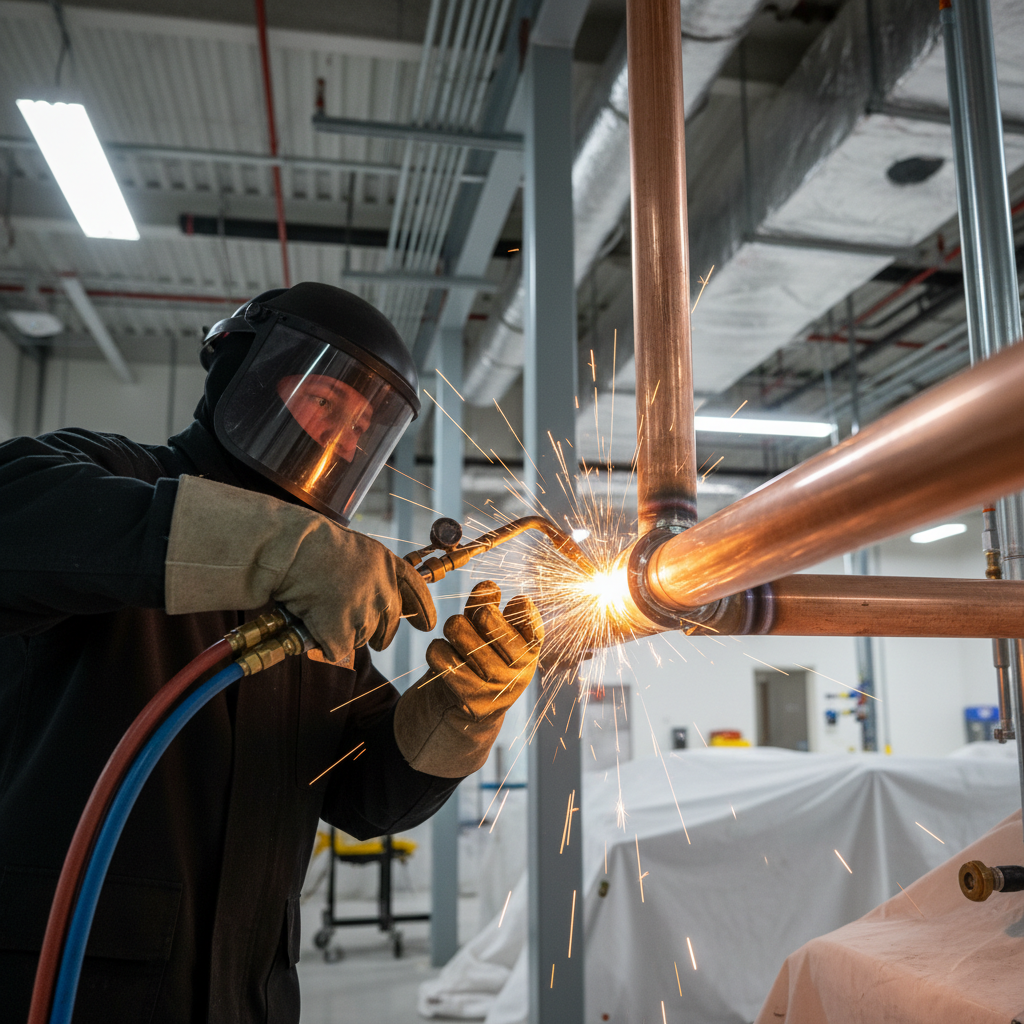
The Anatomy of a Medical Gas System
A medical gas system is more than just pipes in the walls. It's a highly regulated and complex assembly of components designed to deliver specific gases at precise pressures, free from contaminants. Understanding these components is the first step in appreciating the scope of a proper installation.
Key System Components
- Source Equipment: This includes bulk oxygen tanks, air compressors, vacuum pumps, and manifold systems that automatically switch from primary to reserve cylinders.
- Piping Network: The core of the system, this is typically Type K or L copper tubing, which must be cleaned for oxygen service and installed by certified professionals.
- Zone Valve Boxes: These allow specific areas or "zones" of the hospital to be shut off for maintenance or in an emergency without disrupting flow to the entire facility.
- Area and Master Alarms: These panels provide audible and visual alerts for changes in pressure or other system faults, continuously monitoring the integrity of the gas delivery.
- Outlets/Terminals: These are the points of connection in patient rooms and ORs where medical devices are plugged in. They are gas-specific, preventing accidental cross-connection.
The Critical Role of ASSE 6010 Certified Installers
You wouldn't hire an unlicensed electrician to wire a critical care unit, and the same principle applies with greater force to medical gas systems. The American Society of Sanitary Engineering (ASSE) provides the benchmark for competency through its 6000 series of professional certifications. For installation, the ASSE 6010 Medical Gas Systems Installer certification is the non-negotiable requirement.
An ASSE 6010 certified installer has undergone rigorous training and passed a comprehensive exam covering:
- The contents of NFPA 99 (Health Care Facilities Code)
- Proper brazing techniques, including nitrogen purging
- System and component installation procedures
- Safety protocols
- Testing procedures required of an installer
Brazing, the process of joining copper pipes, is a focal point of the certification. When performed correctly, a continuous nitrogen purge is maintained to prevent the interior of the pipe from oxidizing. If this step is skipped or done incorrectly, the resulting carbonaceous scale can be dislodged, posing a significant risk to patients if it reaches their lungs.
Why this matters for compliance: The NFPA 99 Health Care Facilities Code explicitly requires that installers of medical gas and vacuum systems be certified to the ASSE 6010 standard. Using uncertified personnel is a direct code violation that can result in failed inspections, costly rework, and delayed facility openings. It also introduces immense liability.
Decoding NFPA 99: The Rulebook for Medical Gas
The National Fire Protection Association's NFPA 99 is the foundational code governing all aspects of healthcare facilities, with Chapter 5 dedicated entirely to gas and vacuum systems. A compliant turnkey medical gas installation project is essentially a project executed in strict accordance with NFPA 99.
Key Installation Requirements from NFPA 99
- Piping Material: Must be seamless copper tube, Type K or L, identified as "ACR/MED" and cleaned for oxygen service.
- Brazing Procedures: All joints must be brazed using a specific silver alloy. As mentioned, a continuous purge of oil-free, dry nitrogen must be maintained during brazing.
- Support and Spacing: The code dictates the maximum distance between pipe supports to prevent sagging and stress on the joints.
- Labeling: Pipes must be clearly labeled with the gas name and direction of flow at specific intervals and on both sides of walls and partitions.
- System Testing: The installer is responsible for initial pressure tests to check for leaks before the final, independent verification.
Medical Testing Solutions has a team of seasoned installers who are not only ASSE 6010 certified but possess a deep, practical understanding of NFPA 99, ensuring every installation is built to code from the ground up.
Our Turnkey Medical Gas Installation Process in Asheville
We approach every project, from small dental clinics to large hospital wings in the Asheville area, with a systematic, turnkey process that guarantees compliance and quality.
- Design & Engineering: We can work with existing engineering plans or provide a full design-build service, creating plans that are efficient, code-compliant, and tailored to your facility's specific needs.
- Material Sourcing: We procure all necessary pipe, fittings, valves, alarms, and source equipment from trusted medical gas vendors, ensuring every component meets NFPA 99 standards.
- Piping Installation: Our ASSE 6010 certified team performs the installation, meticulously following the engineered plans. All brazing is done under a nitrogen purge, and every joint is visually inspected.
- Installer Testing: Upon completion, our team conducts the initial pressure and leak tests as required by the code to ensure the system is sound.
- Final Verification: The crucial final step is the independent, third-party medical gas verification performed by an ASSE 6030 certified verifier. This unbiased inspection tests for purity, pressure, flow, and cross-connections, providing the final documentation required to certify the system for patient use. Medical Testing Solutions coordinates this verification to provide a seamless, end-to-end service.
Choosing a Qualified Installer vs. a Low-Bid Contractor
The temptation to select the lowest bid is always present, but with medical gas systems, this can be a catastrophic mistake. A qualified installer's price reflects the cost of certification, proper materials, and adherence to time-consuming but critical code requirements.
| Feature | Qualified Installer (like MTS) | Low-Bid Contractor |
|---|---|---|
| Certifications | ASSE 6010 Installers, ASSE 6030 Verifiers | Often uncertified or uses unverified claims |
| Code Knowledge | Deep, practical NFPA 99 expertise | Superficial at best; often cuts corners |
| Brazing & Purging | Nitrogen purge on 100% of joints | Skips purging to save time and money |
| Documentation | Comprehensive turnover package with certifications | Minimal or non-existent paperwork |
| Final Verification | Guarantees a passing ASSE 6030 report | "Not our problem," leaving you to fix it |
Beyond Installation: System Maintenance
Once your system is installed and verified, its compliance journey isn't over. NFPA 99 mandates ongoing service and maintenance to ensure the system remains safe and reliable. Medical Testing Solutions provides comprehensive service plans, including annual medical gas inspections and preventative maintenance to keep your Asheville facility compliant and your patients safe for years to come. Investing in a proper installation saves significant costs on future repairs and preventative maintenance programs.
Your Partner for Compliant Gas Systems in Asheville, NC
Choosing the right partner for your medical gas installation is one of the most important decisions you'll make for your facility. With a headquarters in Fort Lauderdale, FL and a service area that proudly includes Asheville and all of North Carolina, Medical Testing Solutions is your local expert with a national reputation. Our unwavering commitment to the ASSE 6000 series standards and NFPA 99 ensures your project is done right, the first time.
Ready to start your project? Contact our team for an expert consultation on your medical gas installation needs. Request a quote today or call us at +1 (754) 315-1078 to discuss your facility.
Frequently Asked Questions
Request a quote for your facility
Talk with Medical Testing Solutions about your next inspection, repair or equipment request.